The True Difference Between Interior Design and Decoration :
By Space & Luxury Finishing Experts | Elhelw Architects Designs
An Exclusive Masterclass Covering Philosophy, Engineering, Color Psychology, and Realistic Budgets
Why 90% of Property Owners Misunderstand the Difference
When a property owner embarks on finishing a villa or luxury residence, an immediate question arises: "Where do I start? Do I hire an interior designer or an interior decorator?" Many fall into the trap of random, generalized confusion between aesthetic styling and space engineering, leading to massive financial waste, grueling structural modifications, and persistent issues with dampness, ventilation, and load distribution.
At Elhelw Architects Designs, we believe we do not just design buildings... we craft living environments. Drawing from our deep experience of over 18 years in creating and delivering luxury villas and palaces across the Egyptian and Gulf markets (including our stellar projects in Dubai), we noticed that internet articles and search algorithms are flooded with superficial advice that mixes up space beautification with engineering. We wrote this technical guide to untangle this confusion, relying on our field engineering practices in mass repurposing, circulation studies, and achieving thermal and acoustic efficiency.
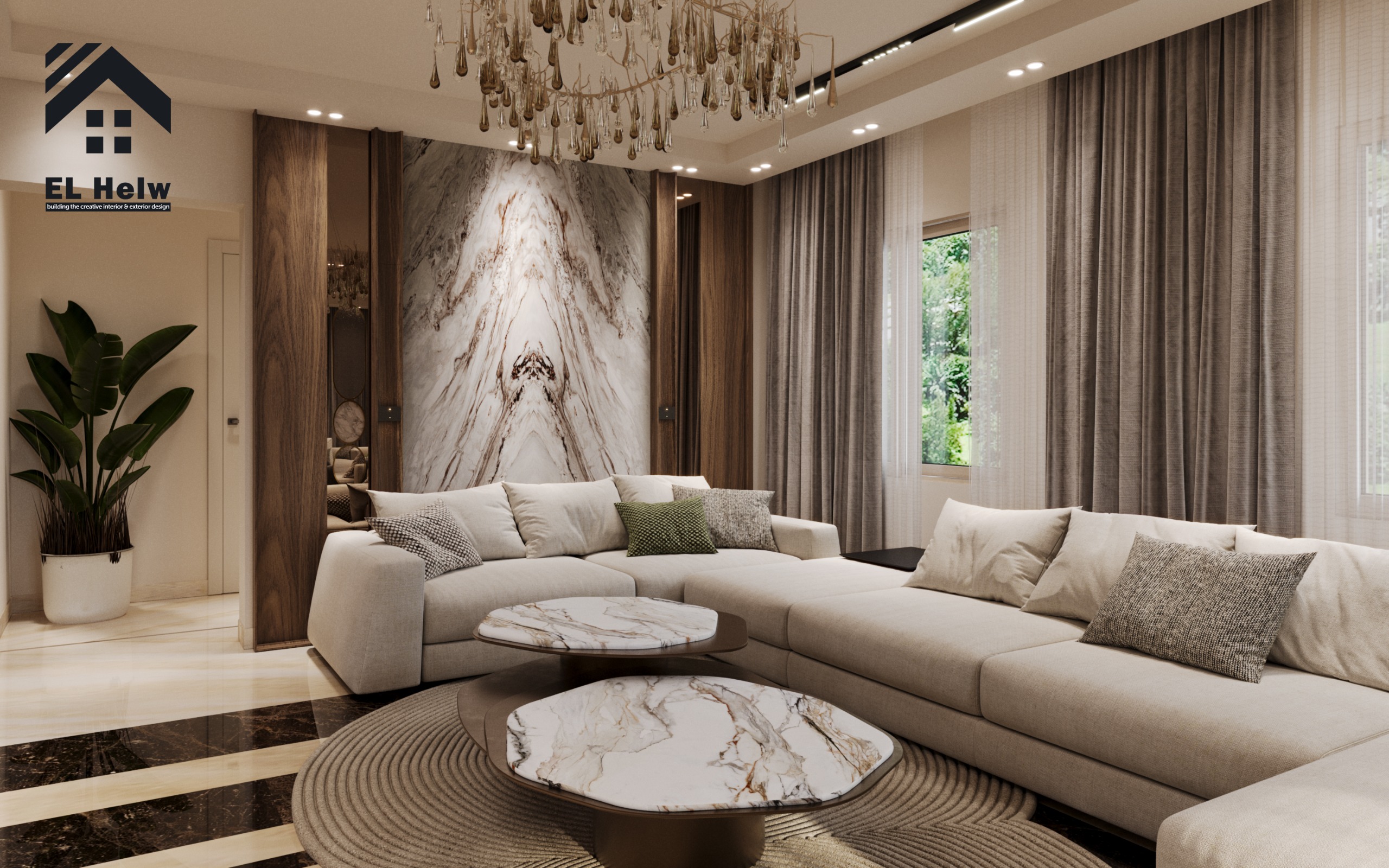
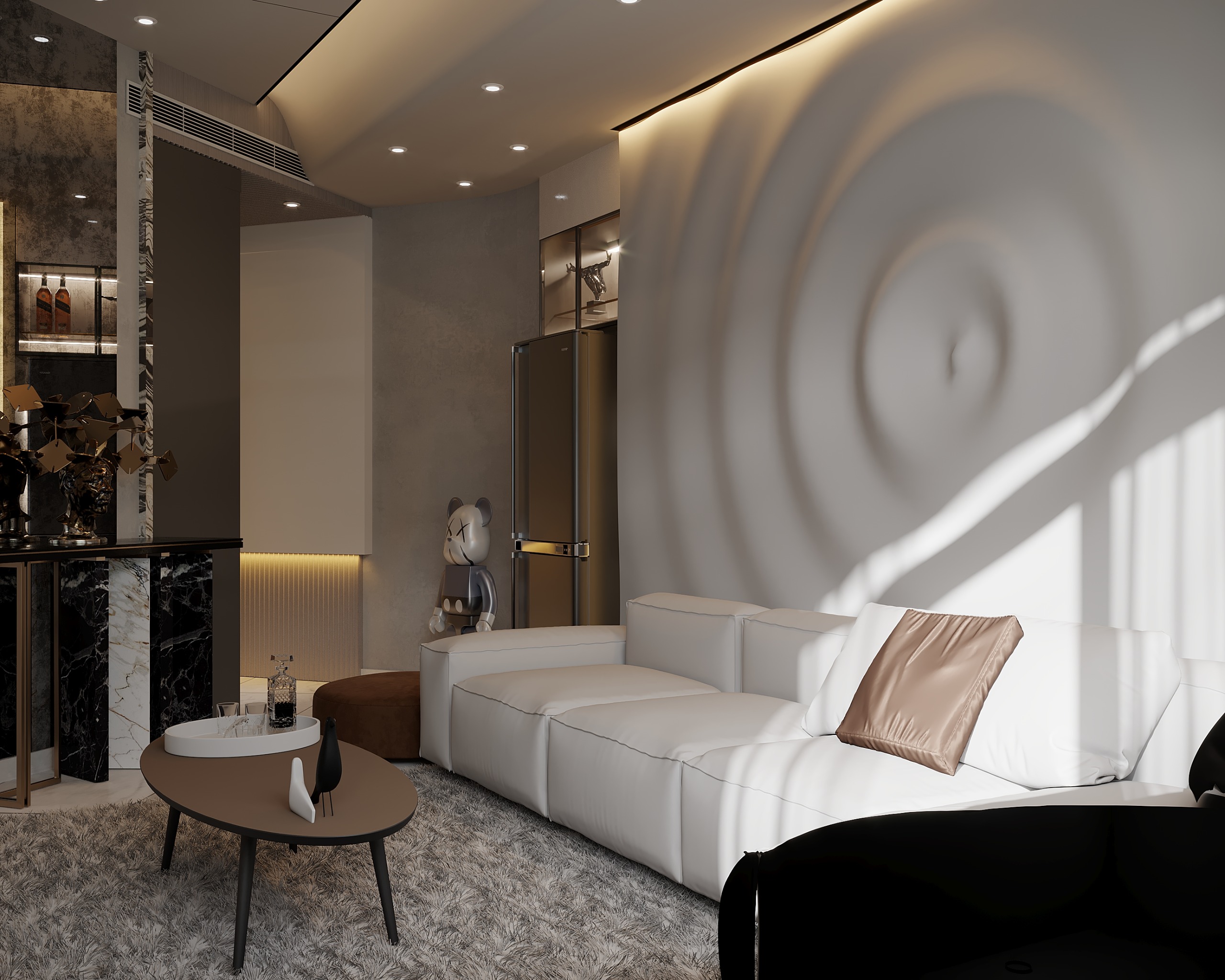
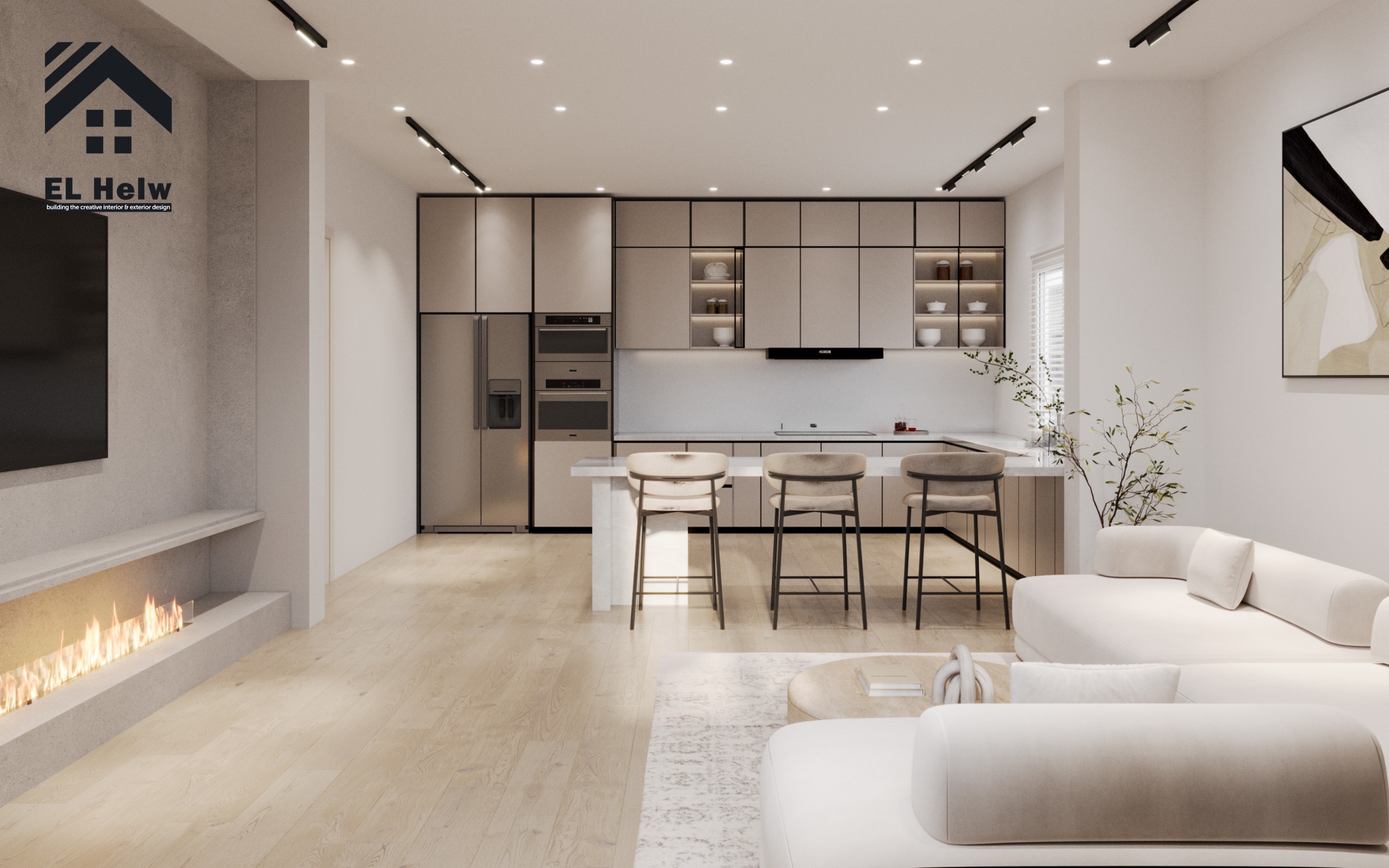
Visual comparison between interior space engineering and aesthetic decor in a luxury modern villa.
1. The Root Distinction: Spatial Engineering (Interior Design) vs. Visual Enhancement (Decoration)
We draw a clear line: Interior design is the engineering and functional system responsible for creating the space and shaping its volume, circulation pathways, opening distribution, insulation, lighting, and ventilation calculations. Decoration, on the other hand, is the final visual treatment layer dealing with color, texture, and surface appearance. Design starts from the core structural skeleton, while decoration begins after functional engineering is complete.
| Comparison Metric | Interior Design (Spatial Engineering) | Interior Decoration (Visual Styling) |
| Nature & Definition | Integrated science and engineering studying human behavior, space planning, massing, and circulation. | Subsequent visual art focusing on color palettes, furniture selection, fabrics, and accessories. |
| Phase of Intervention | Begins at the core structural stage, planning layouts, and orientation before concrete pouring. | Begins strictly after the structural skeleton, MEP work, and basic finishes are completed. |
| Technical Elements | Sunlight/wind analysis, acoustic/thermal insulation, and professional Shop Drawings. | Art pieces, rugs, mood lighting, drapery, and accessory coordination. |
| Functional Impact | Determines space efficiency, airflow dynamics, and long-term psychological and physical well-being. | Imparts visual identity, warmth, and the overall emotional atmosphere of a room. |
Golden Rule from 18 Years of Expertise: "Beautiful decor can never fix poor engineering planning; on the contrary, it only makes flaws more obvious and costly!"
2. The Signature of Innovation: Why Choose Elhelw Architects Designs?
In a world full of amateur efforts, our office stands out as a benchmark in luxury villa and palace engineering inside and outside Egypt. We do not treat walls as silent blocks; we craft cohesive environments where architectural physics harmonize seamlessly with modern lifestyle demands.
Key pillars of our field superiority:
-
Advanced Climate Analysis: Studying solar incidence angles and prevailing wind directions before laying down the first engineering line, achieving up to 40% in energy savings.
-
Service Core Clustering: Grouping wet areas (kitchens and bathrooms) into unified engineering blocks positioned away from prevailing winds to prevent odors and moisture intrusion.
-
Sustainable Architectural Execution: Implementing state-of-the-art waterproofing and thermal insulation, alongside certified Shop Drawings that reduce material wastage by 30%.
Elhelw Projects Highlight Section
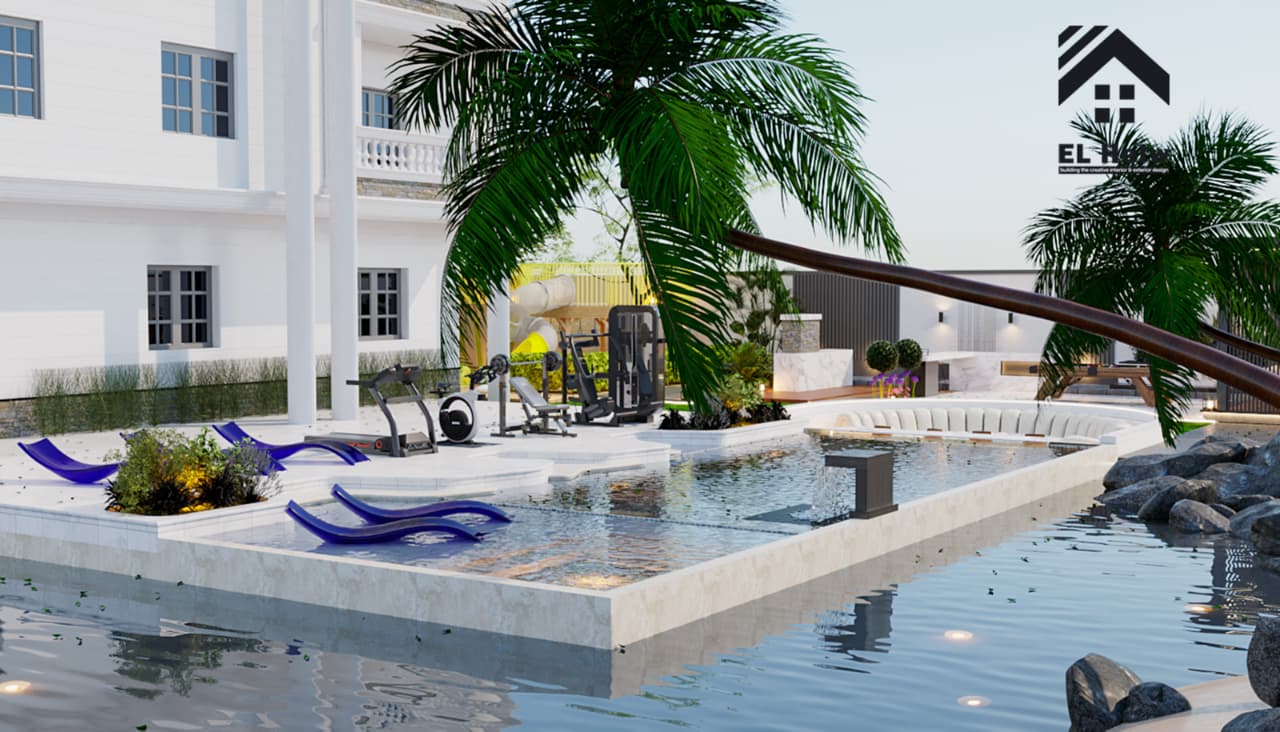
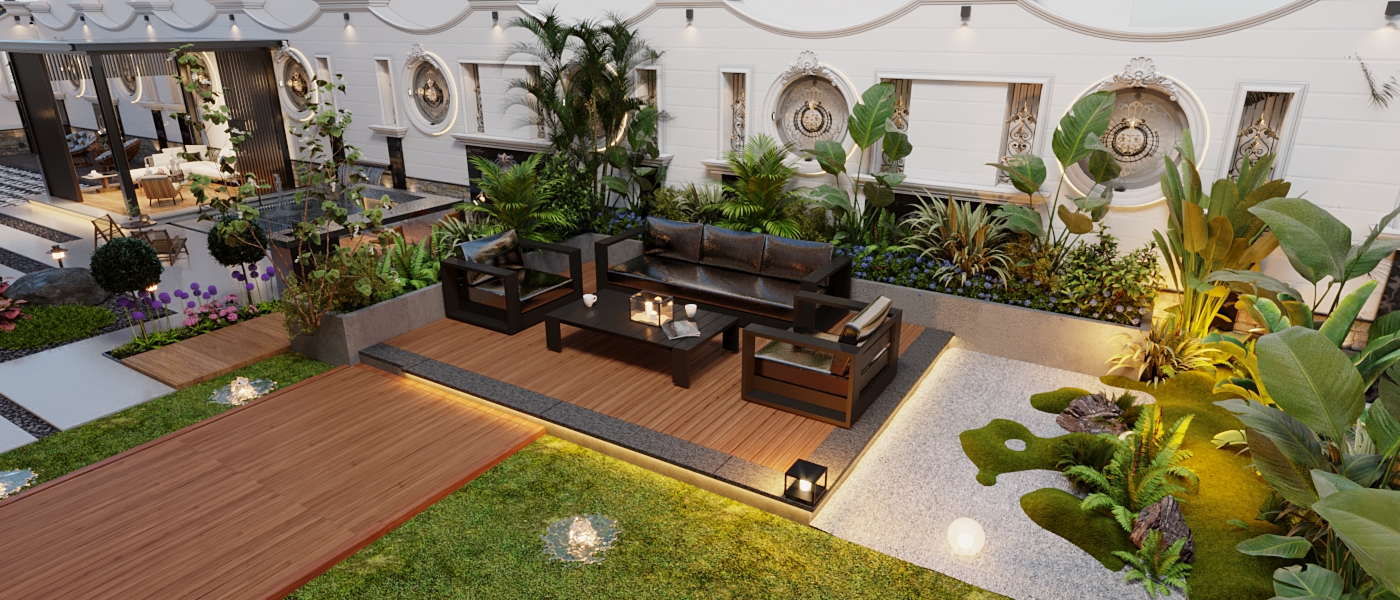
A live architectural shot of a luxury villa designed by Elhelw Architects Designs showing perfect integration between landscape and reception spaces.
3. First Step Before Design: Studying Site, Sun, and Wind
We account for the sun's trajectory and path from sunrise to sunset before placing the first line on a plan, because this decision determines household comfort for years to come.
-
Directing bedrooms away from direct sunset heat and orienting living areas toward soft morning light protects the home thermally.
-
We design interior spaces to create sustainable balance, ensuring cross-ventilation based on prevailing site winds rather than random choices.
4. Apartment or Villa Space and Smart Spatial Solutions
Treating different spaces—whether a compact apartment or a spacious villa—requires innovative engineering solutions (Smart Spatial Solutions).
-
For limited spaces, we rely on open-plan concepts and conceal smart storage units within partitions to enhance the feeling of spaciousness.
-
For villas and palaces, the philosophy moves toward creating dramatic visual axes linking indoor salons with outdoor gardens (Indoor-Outdoor Flow) while maintaining absolute circulation smoothness, deploying built-in storage solutions and utilizing difficult spaces under stairs and in walls to ensure high operational efficiency.
Space Study and Smart Solutions Section
An architectural floor plan showing smart space distribution and expansion solutions for a luxury apartment and villa.
5. Absolute Architectural Privacy for Spaces
Privacy is a fundamental pillar of upscale architectural culture, especially in designing villas and palaces across Egypt, the Gulf, and Dubai. We place privacy at the top of our priorities, intelligently separating formal reception areas from private family living spaces through well-studied circulation corridors and smart visual and botanical partitions that guarantee complete family freedom without crossing paths with visitors.
6. Interior Layouts and Wet Space Distribution (Service Core)
One of the most important criteria distinguishing professional engineering design from random layouts is the well-studied distribution of the Service Core (wet spaces including kitchens and bathrooms). Our office ensures these spaces are grouped into unified engineering blocks isolated from prevailing wind directions flowing into living and bedrooms to prevent odors and moisture transfer, while integrating drainage and supply pipes within hidden vertical utility shafts that entirely preserve the beauty of facades and interior partitions.
7. Choosing the Decor Style: Modern, Classical, or Neoclassical
Decor styles vary, and choosing the right style must harmonize with the overall architectural identity of the building:
-
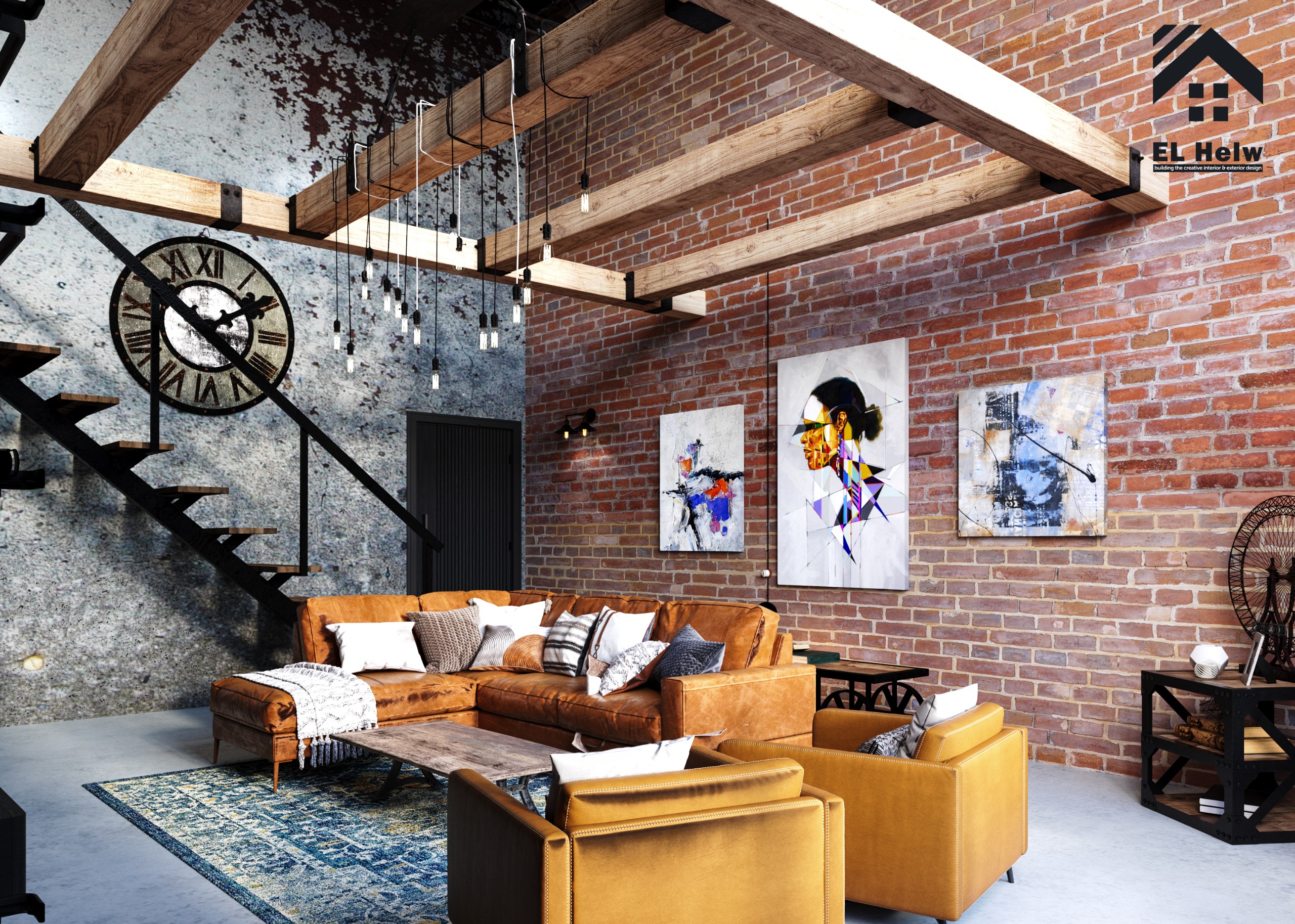
Modern Style: Relies on clean lines, open spaces, neutral colors, and hidden LED profiles, completely avoiding clutter and complex ornaments.
-
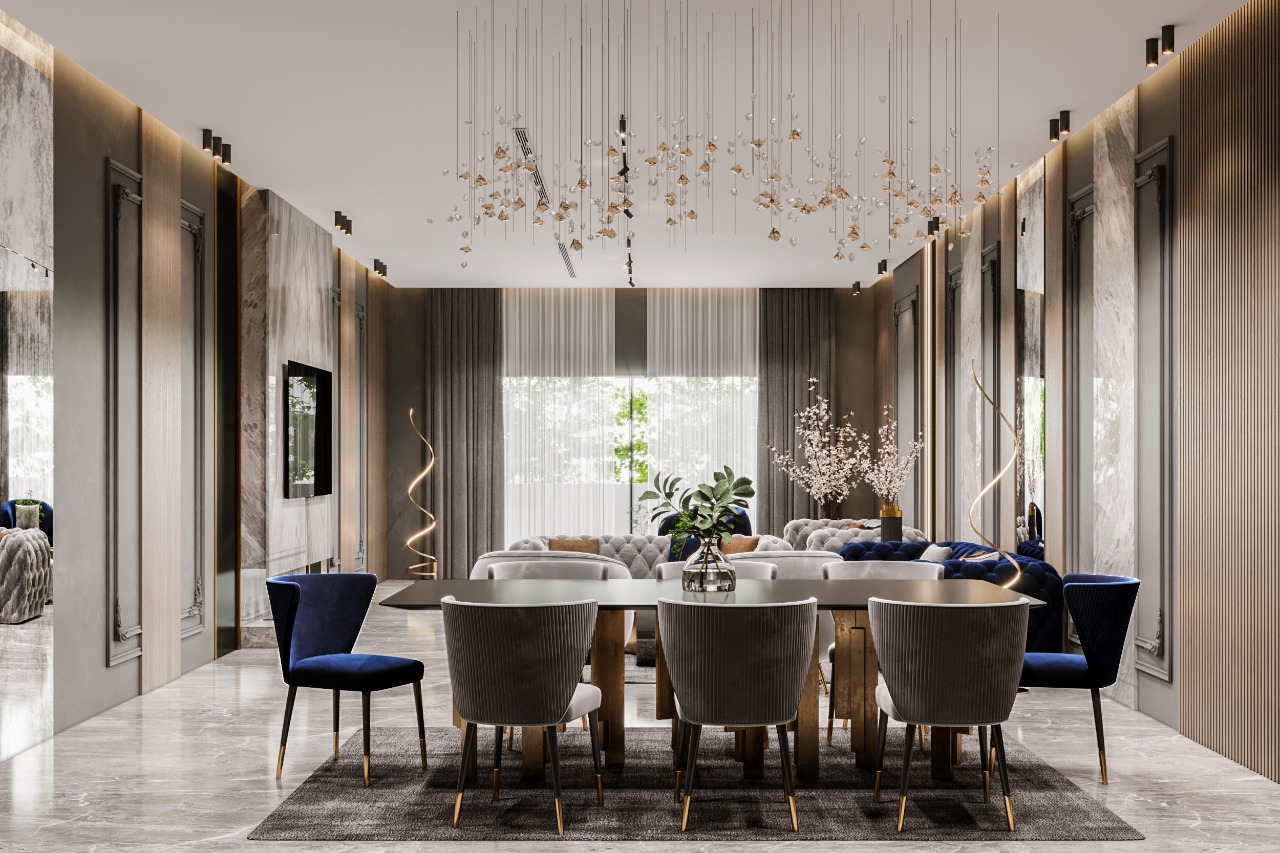
Classical Style: Embodies absolute luxury through ornate columns, rich plaster moldings, carved wooden furniture, and massive crystal chandeliers.
-
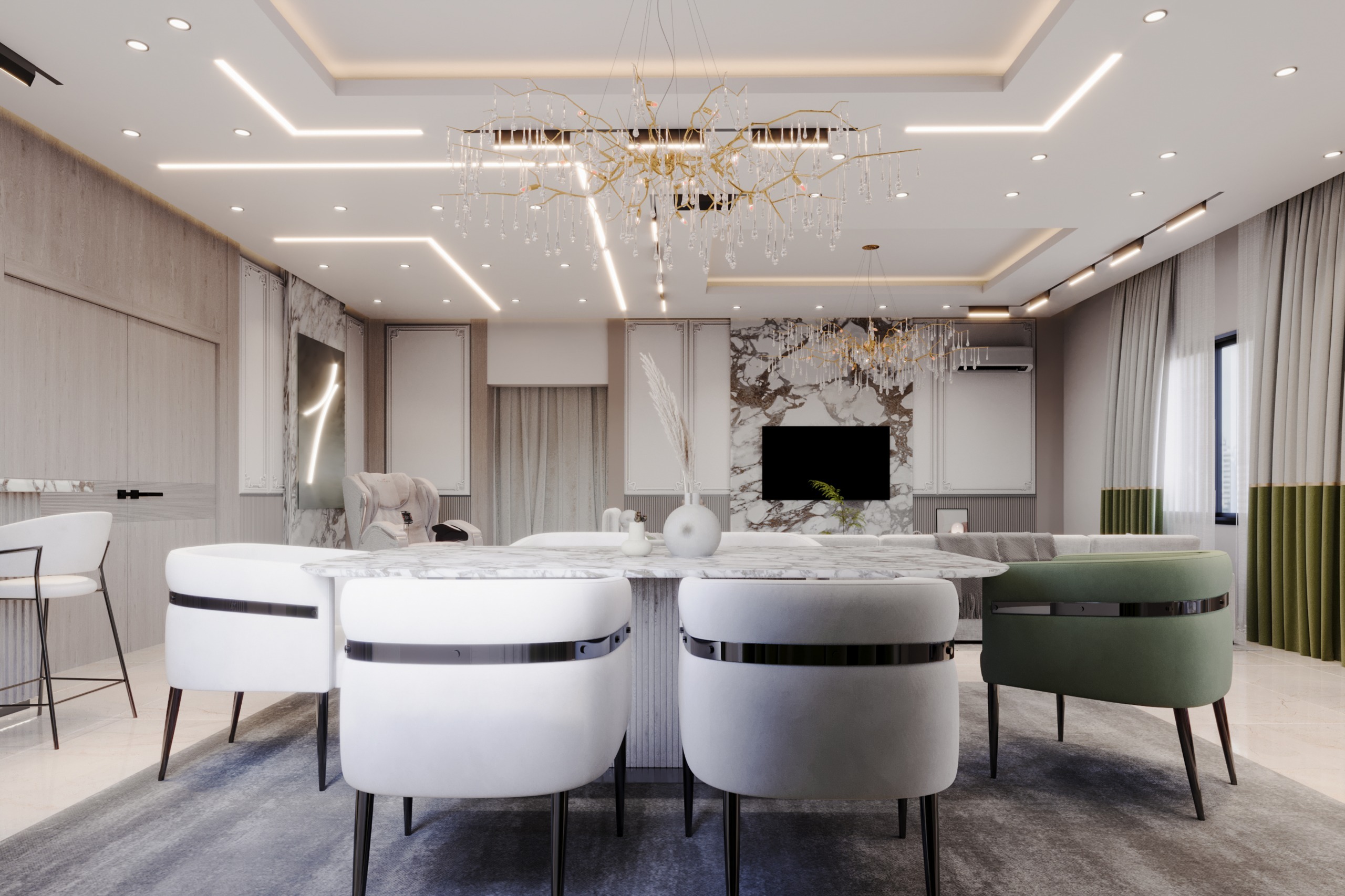
Neoclassical Style: The ideal solution for those seeking a blend of classical grandeur and modern simplicity, featuring calm, orderly lines with balanced luxurious touches.
8. Color Design and Psychological Impact on Space
Colors are not merely visual shades on walls; they are deep psychological triggers guiding human emotions and behavior inside a room. We closely study the mood impact of colors:
-
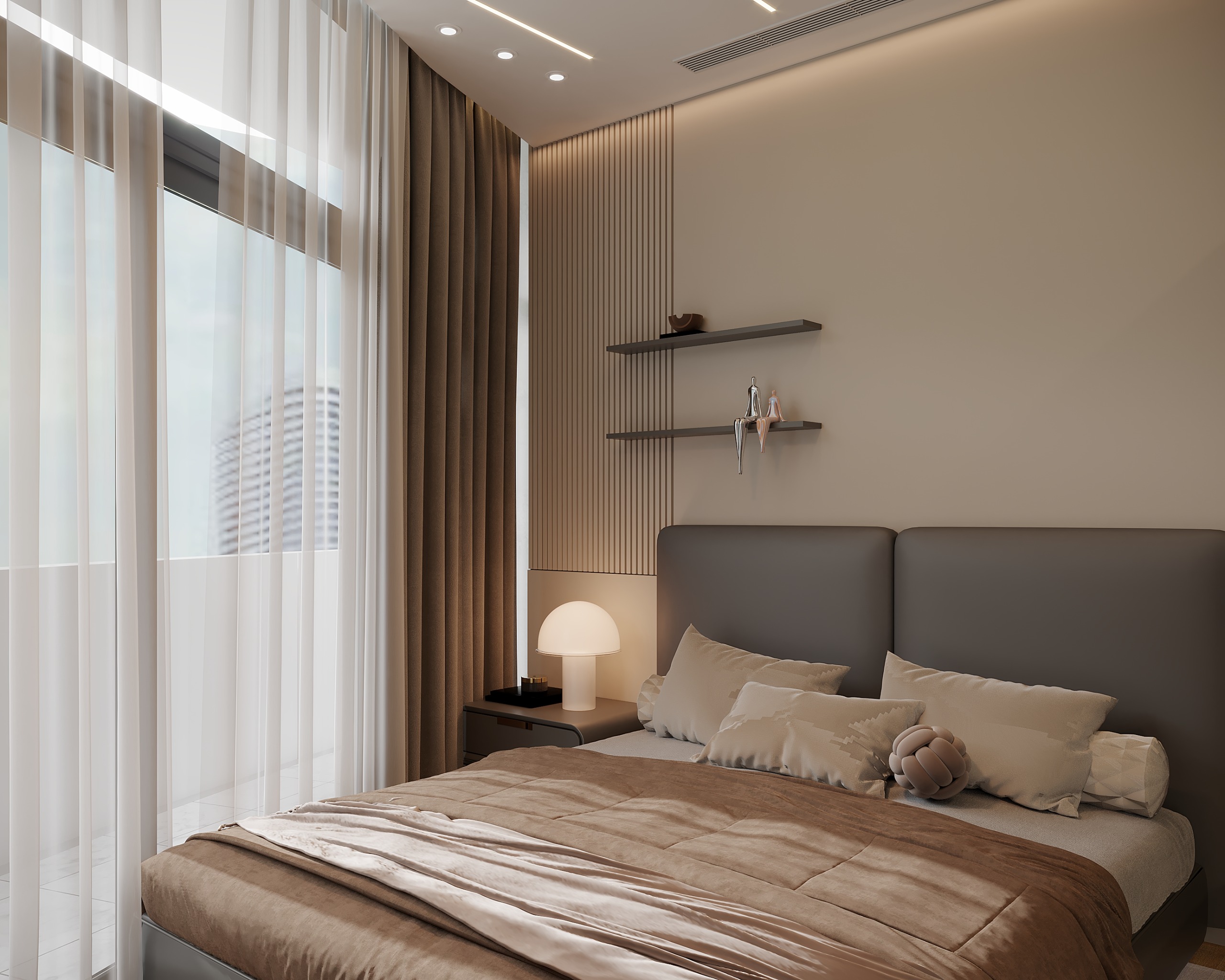
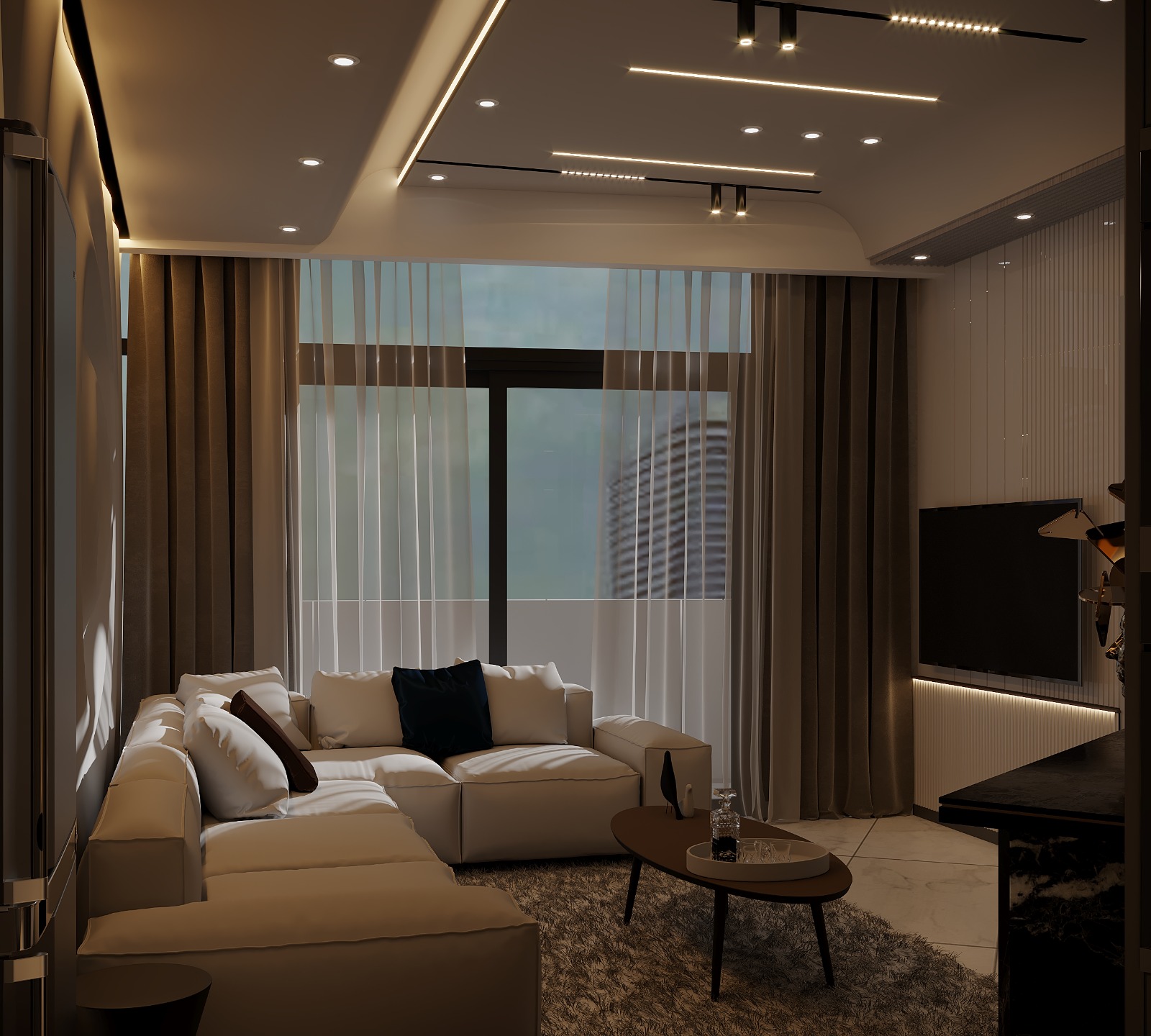
Neutral Colors (White, Beige, Light Gray): Provide a sense of spatial expansiveness and act as a calm backdrop enhancing relaxation, ideal for corridors and living rooms.
-
Warm Colors (Light Yellow, Terracotta): Imbue an intimate character and stimulate energy, fitting for dining rooms and entryways to evoke intimacy in large spaces.
-
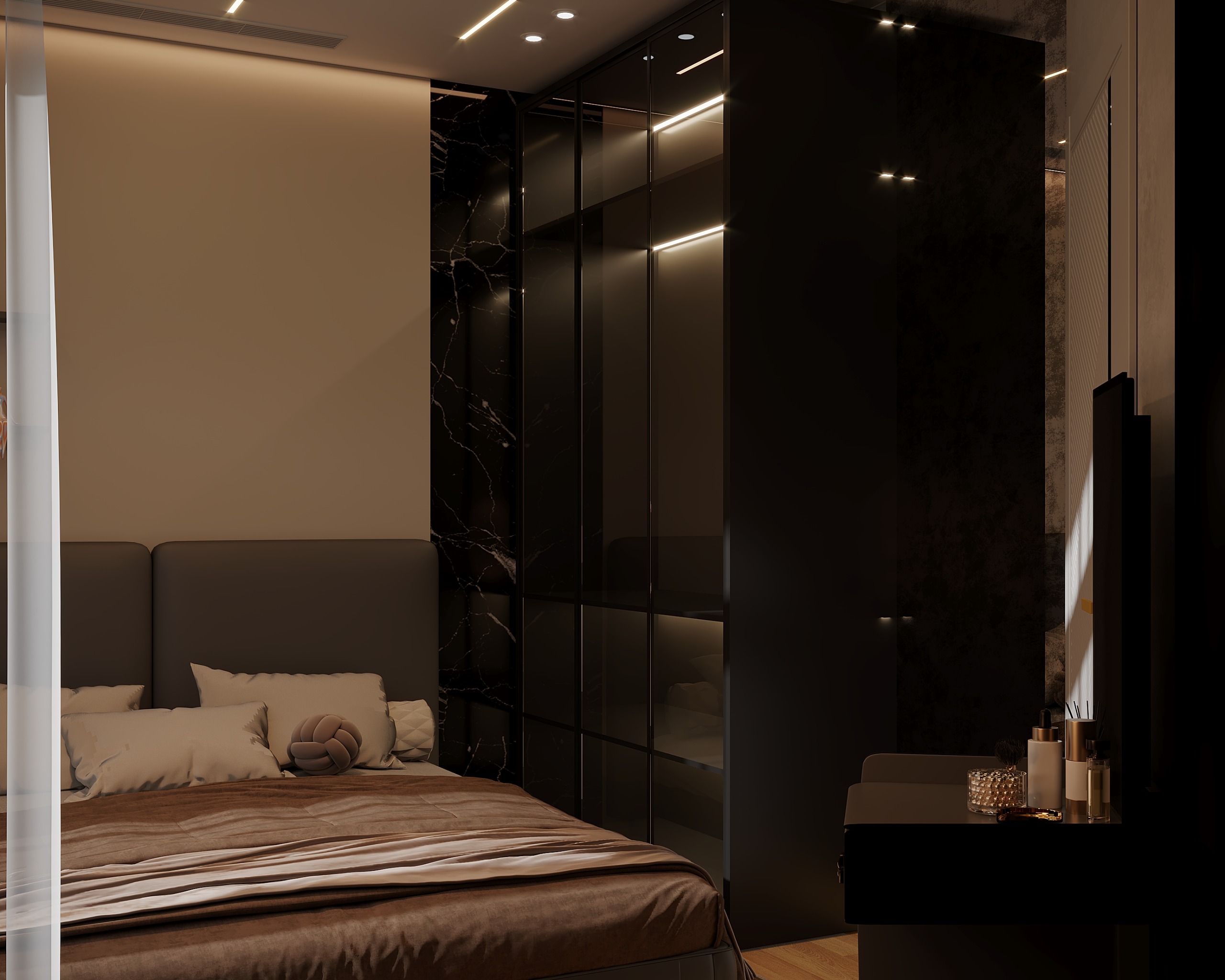
Cool Colors (Pastel Blue, Sage Green): Lower heart rates and aid deep concentration and restful sleep, making them ideal for bedrooms and home offices.
9. Material Selection and Green Architectural Sustainability
In an era of environmental awareness, Elhelw pays utmost attention to selecting sustainable, durable materials that withstand daily wear and weather elements—such as moisture-treated woods, local natural stone providing efficient thermal insulation, and eco-friendly paints free of volatile organic compounds (VOCs). Sustainability begins from raw material quality and its impact on the indoor building environment, achieving sustainable energy consumption savings of up to 40%.
10. Decor, Accessories, Furniture Selection, and Lighting Coordination
Furniture and accessories are the final touches imparting life and unique character to a space. Our interior decorators rely on the principle of Visual Balance, distributing furniture proportions relative to space scale without clutter, carefully selecting accessories, rugs, and paintings with architectural precision. Lighting is layered across three core levels:
-
Ambient Lighting.
-
Task Lighting.
-
Accent Lighting.
(To highlight decor details and create eye-soothing emotional layers).
11. Critical Mistakes Owners Make During Design and Finishing
From our daily market observations and field notes, we regularly record common mistakes made by owners causing heavy financial losses:
-
Rushing Furniture Purchases: Buying ready-made furniture from internet photos without evaluating actual wall dimensions and concealed AC placement.
-
Ignoring the Structural Slab System (Flat Slab Systems): Failing to allow future flexibility for interior partition modifications without compromising structural integrity.
-
Random Plumbing Layouts: Disfiguring exterior facades with random drainage pipes instead of integrating them into concealed vertical technical shafts.
-
Neglecting Color and Lighting Psychology: Selecting dark paint shades for narrow, unlit corridors instead of creating open visual axes.
-
Relying on Surface Decor to Mask Poor Architectural Planning: This multiplies costs and fails to deliver required comfort.
12. Design Cost, Execution, and Realistic Finishing Budgets
-
Engineering Design Cost: We determine interior design costs based on comprehensive scopes of work and detailed Shop Drawings to ensure accuracy and avoid execution randomness.
-
Realistic Budgeting: Budgeting is the guiding compass for any successful project. At Elhelw Architects Designs, we provide clients with precise bills of quantities and detailed engineering estimates to tie designs to a realistic, ground-tested budget, eliminating waste and smartly distributing funds between essential infrastructure (insulation, electricity, plumbing) and luxury finishes—free of financial surprises and ensuring design-to-execution alignment for maximum investment value.
Architectural Article Conclusion Section
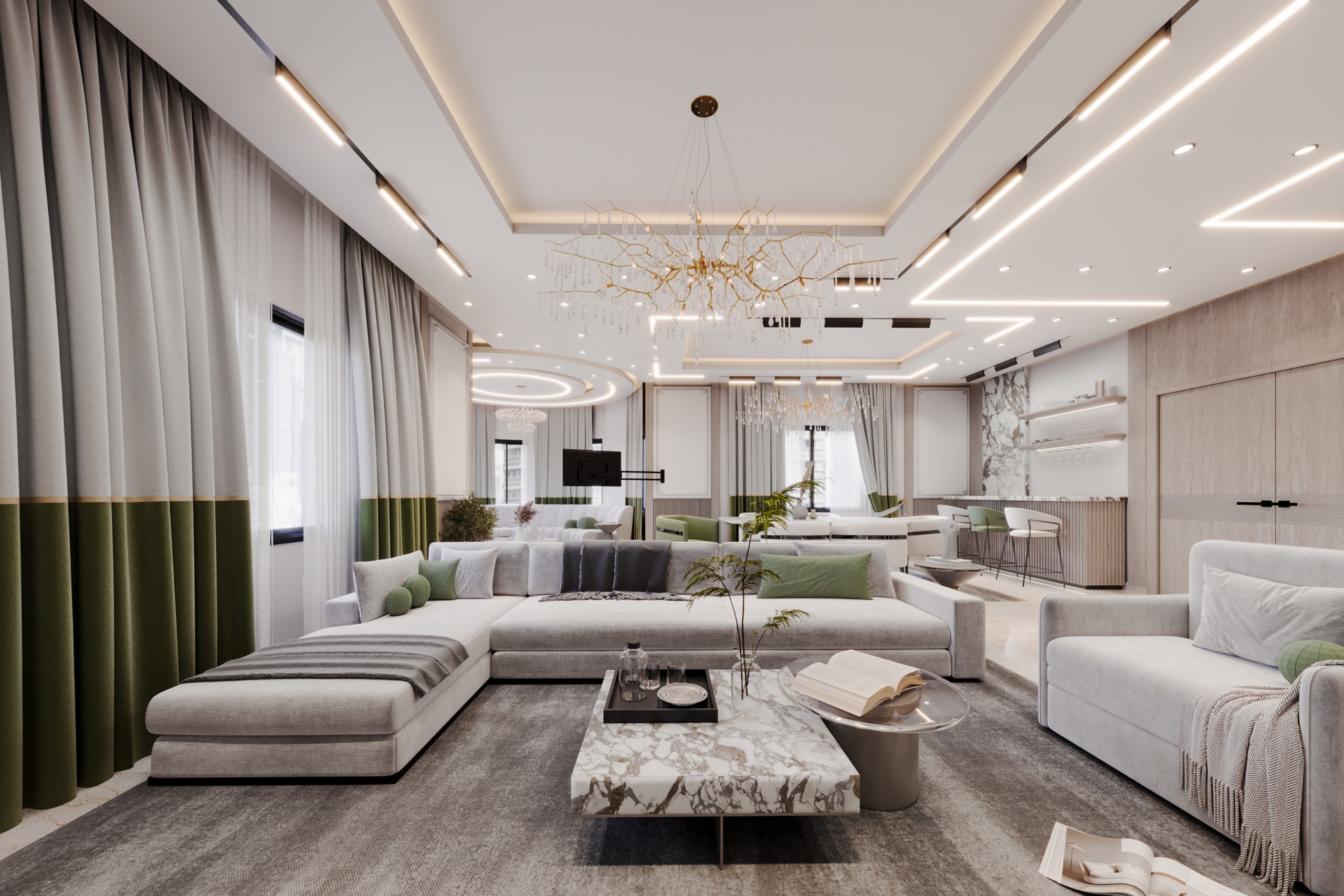
A final shot of a luxury palace foyer designed by Elhelw Architects Designs embodying absolute luxury and architectural privacy.
Frequently Asked Questions (FAQ)
Q: What is the core difference between interior design and decoration?
A: We consider interior design to be an architectural engineering science for planning structures, circulation paths, ventilation, and orientation, whereas decoration is the final aesthetic surface treatment involving color, furniture, and accessories.
Q: Should we determine decor or interior design first?
A: We always start by studying sun paths, winds, and spatial engineering before forming any concepts for colors or decor, because decoration cannot fix poor engineering planning.
Q: How does Elhelw ensure efficiency and interior space sustainability?
A: We integrate insulation calculations, cross-ventilation, service core grouping, and sustainable material selection into the core design process for every villa or palace we execute.
Q: What are the most common finishing mistakes avoided by Elhelw?
A: Rushing furniture purchases prior to architectural measurements, ignoring lighting and color psychology, and distorting facades with random drainage pipes instead of integrating them into hidden vertical utility shafts.
13. Strategic Links and Engineering Reference Sources
To ensure a seamless engineering journey and build your investment and architectural decisions on solid foundations, we invite you to explore our specialized insights within our network:
Read our article on: Designing a 500 sqm Villa in Egypt: Standards and Realistic Finishing Budgets
Read our article on: Top Interior Design Styles for Luxury Villas in Egypt 2026
We are proud of our experience in executing prime projects across: Al Rehab, Madinaty, Taj City, Mountain View, Sodic, Villette, Palm Hills Alexandria, The Square, and Al Burouj.
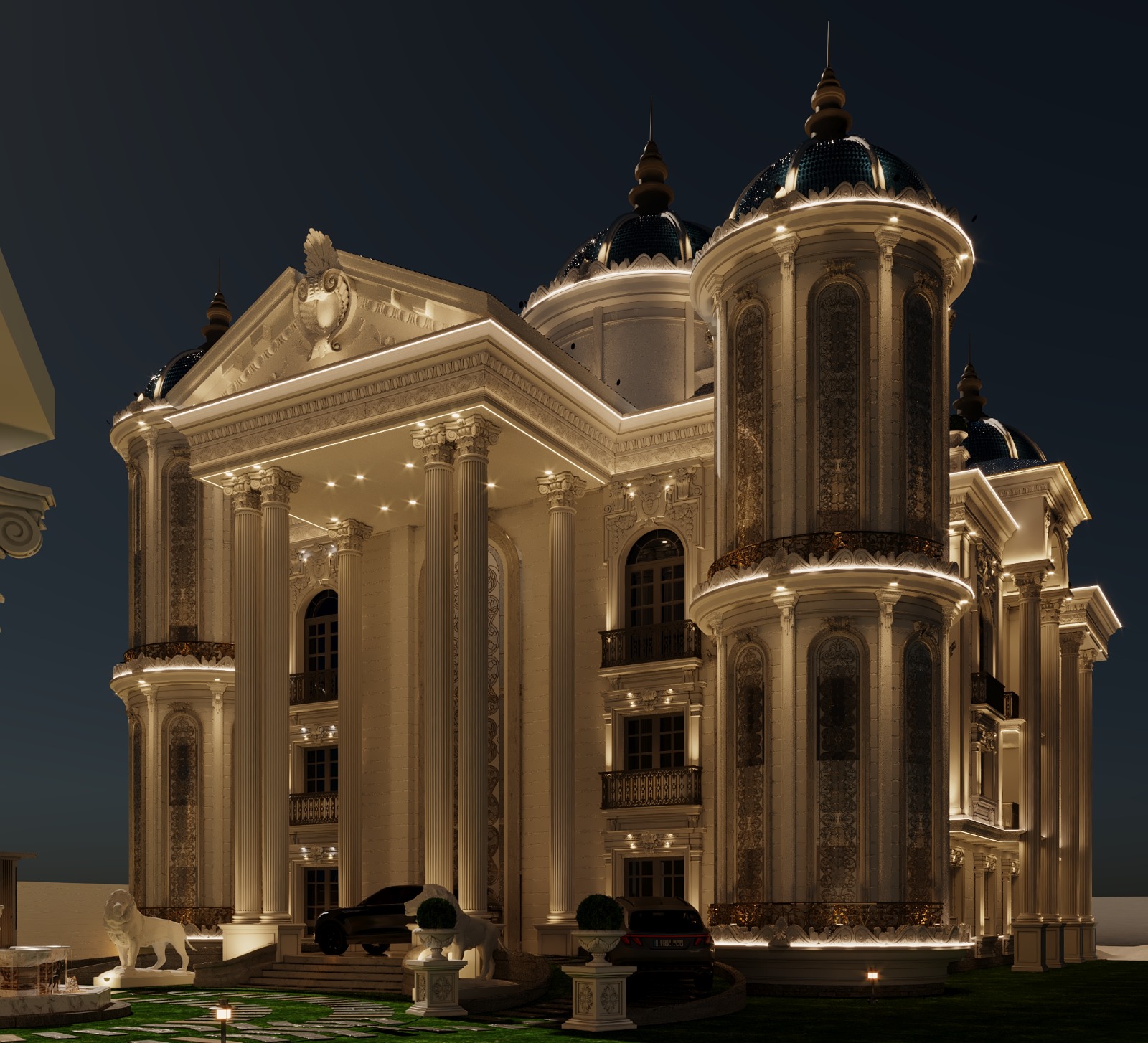
Image gallery