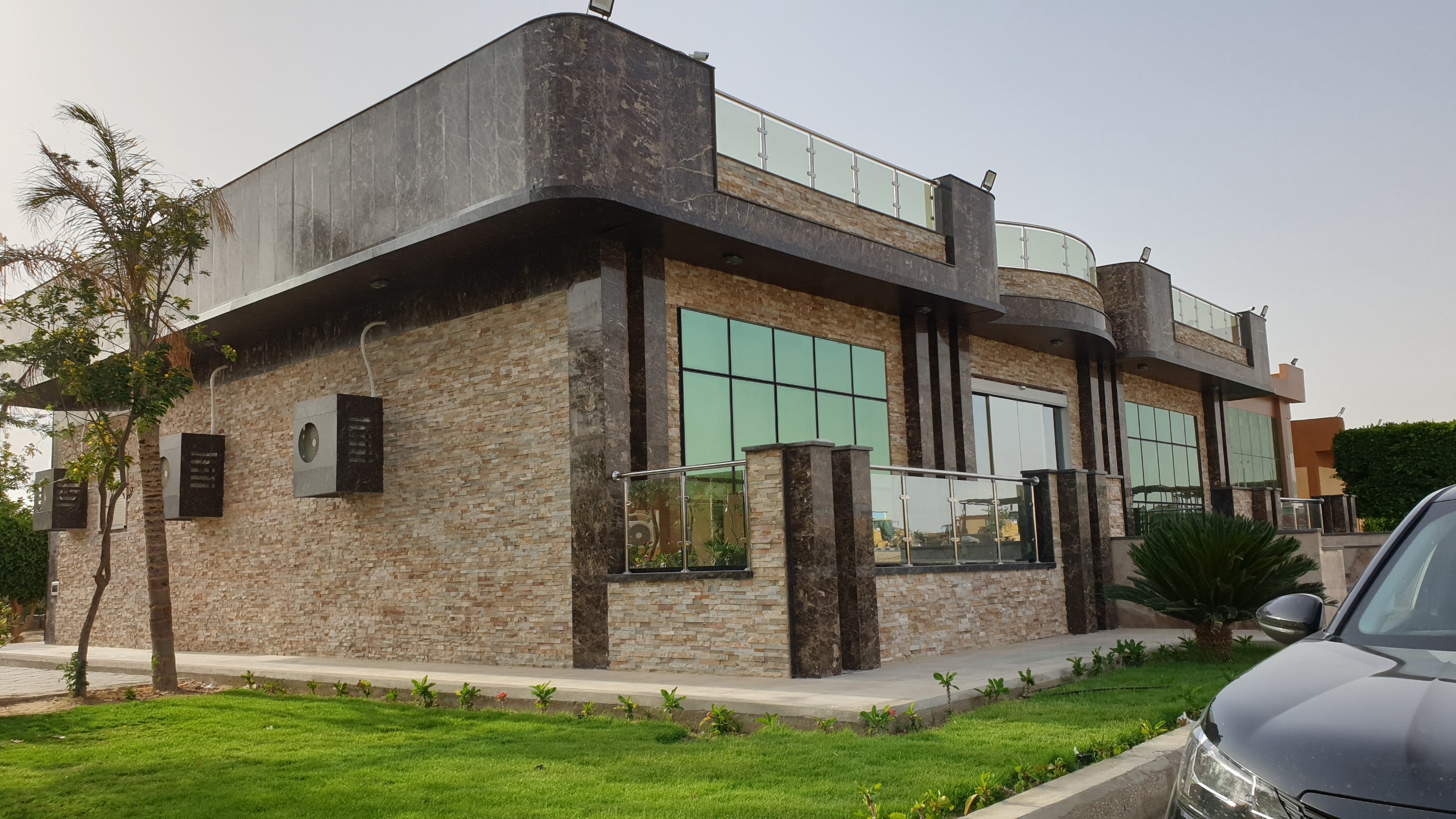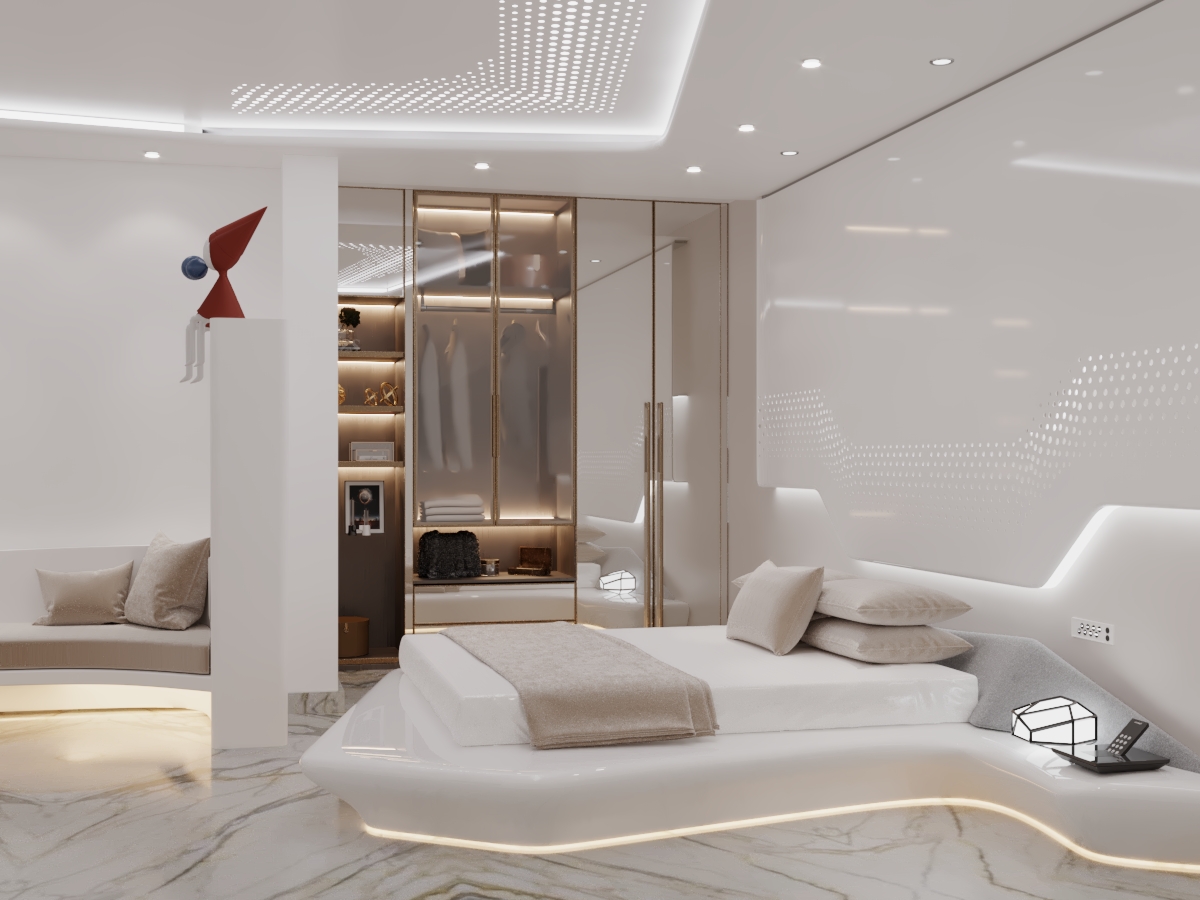

Luxury Apartment or Detached Villa? How to Choose the Better Property Investment
-Discover the differences between investing in a luxury apartment and a detached villa, including rental yield, ownership costs, architectural design, privacy, and resale potential, with practical steps to help you make an informed decision.
Is a luxury apartment better than a detached villa as an investment? There is no single answer that applies to every situation. The decision depends on your investment objective, location, actual market demand, total acquisition cost, expected net income, operating expenses, and the property's competitive advantages when renting or reselling. An apartment may suit an investor seeking simpler management in a market with strong demand for residential units, while a villa may be more suitable when land, privacy, and outdoor spaces are essential to the property's value.
{
{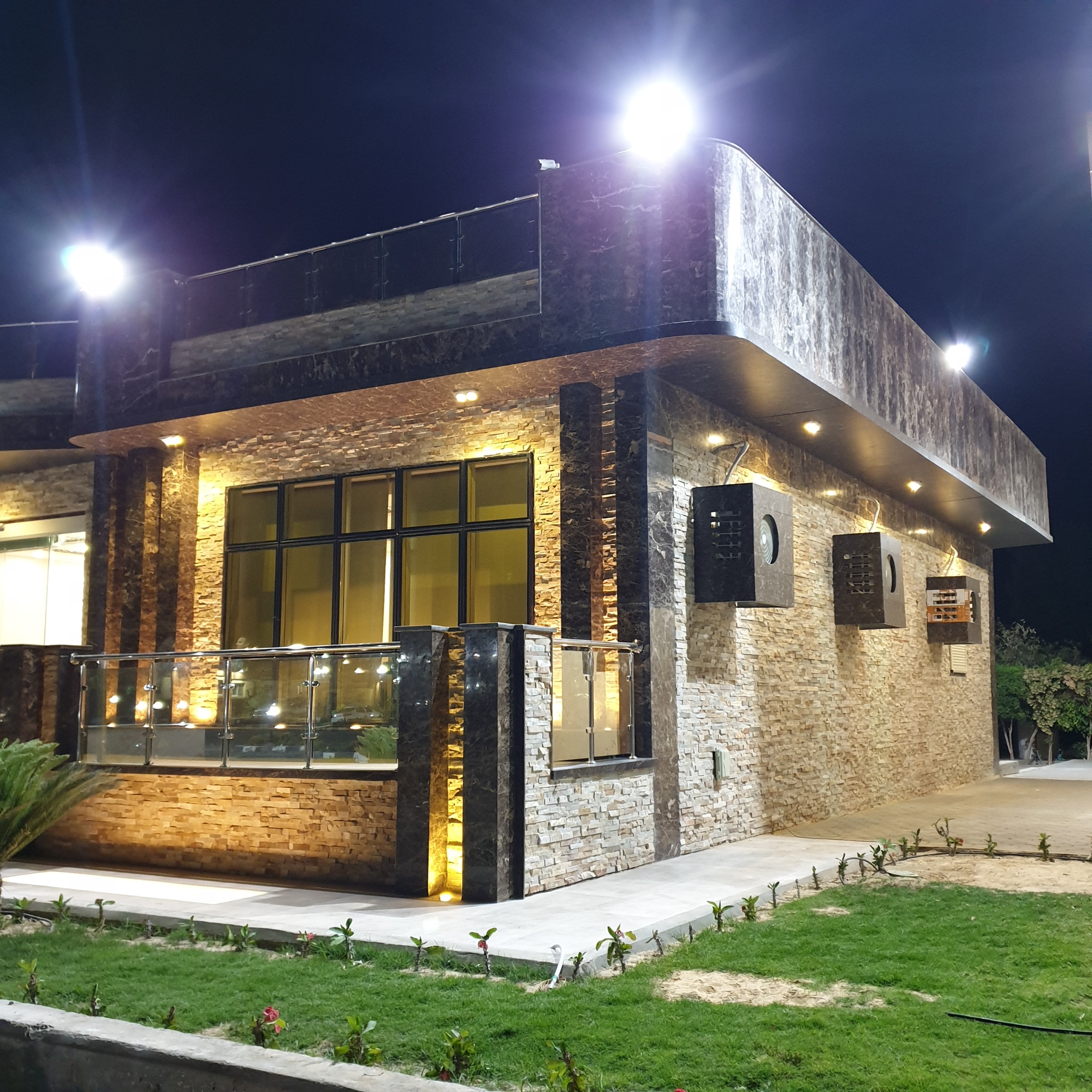
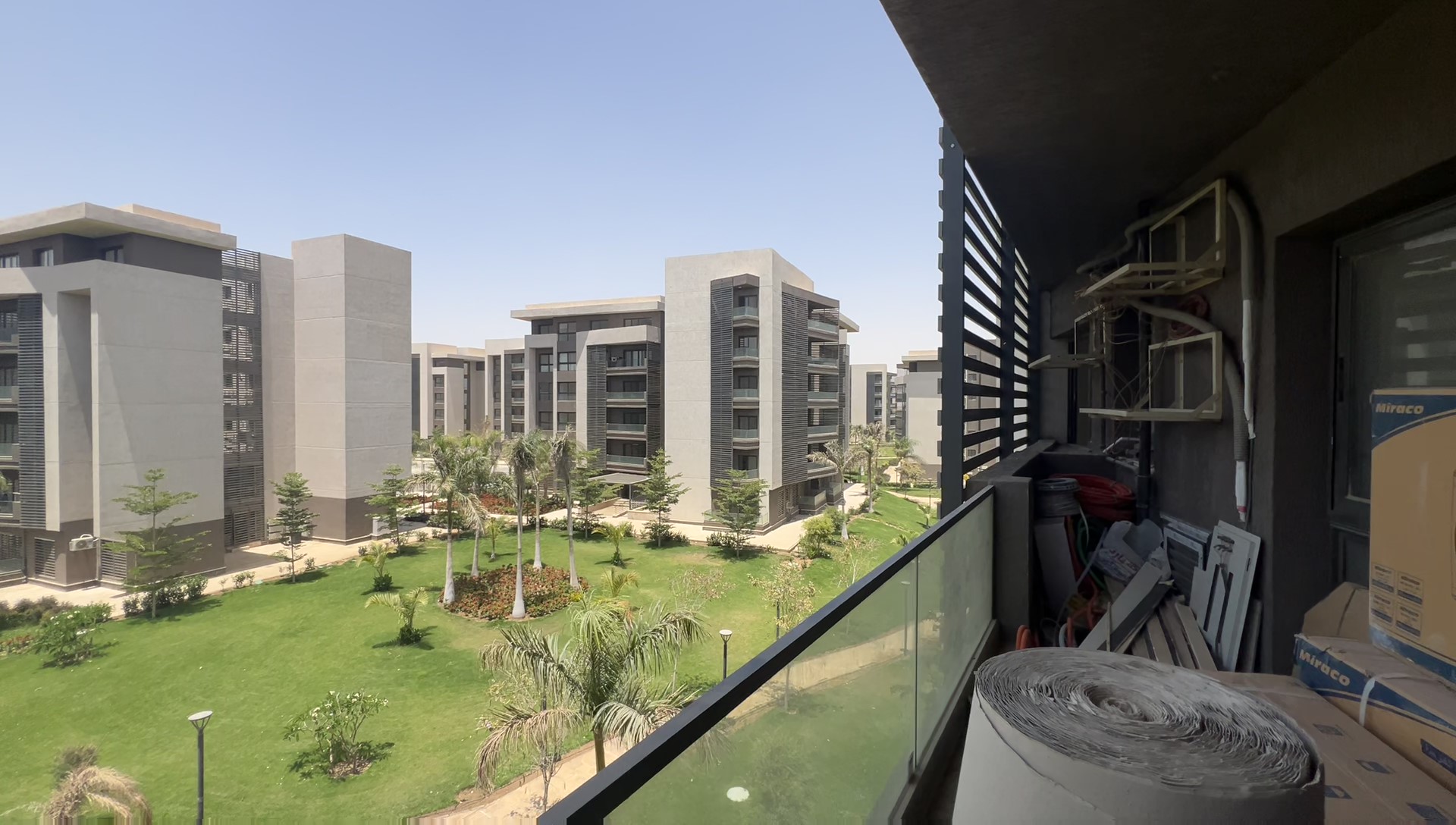
— A visual comparison between a luxury apartment with an open view and a detached villa with a private garden.}
The comparison should not begin and end with floor area or façade appearance. A property is an asset shaped by location, planning, construction quality, cost, user experience, and exit opportunities. The practical question, therefore, is: which property better serves your objective after accounting for costs and risks, rather than focusing only on its visible advantages?
Does Investing in an Apartment Differ from Investing in a Villa?
Yes. An apartment is a unit within a larger building or development and may benefit from shared facilities and collective property management. A detached villa typically combines land, a building, and outdoor spaces. This can provide the owner with greater architectural flexibility, but it also introduces additional operating and maintenance responsibilities. Neither property type is automatically superior; the difference changes the criteria that should be assessed.
For an apartment, value is associated with the development's location, floor level, view, interior layout, privacy, building condition, service charges, and management quality. Comparing an apartment with similar units in the same development may be relatively straightforward. However, the repetition of similar units can create direct competition, particularly when their specifications are nearly identical.
For a villa, the land's area, shape, orientation, and usability become part of the assessment alongside the building itself. The relationship between living areas, the garden, the terrace, and the entrances also affects the property's functionality. A well-located plot may offer an asset that is difficult to replicate, but this does not eliminate the impact of maintenance costs, weak demand, or poor planning.
Key Differences Between a Luxury Apartment and a Detached Villa
| Comparison Factor | Luxury Apartment | Detached Villa |
|---|---|---|
| Land | Usually represented by a shared ownership interest, subject to the property documents | A direct and central component of the property's value |
| Management | May benefit from shared management and services | Usually requires broader management of the building and site |
| Privacy | Depends on the unit, floor, layout, and building | Can be enhanced through the arrangement of building volumes, openings, and entrances |
| Outdoor spaces | Vary according to the balcony and development | May include a garden, terrace, pathways, and seating areas |
| Long-term costs | Shared service charges, interior maintenance, and renovations | May include façades, boundary walls, gardens, and external systems |
| Resale | Influenced by the size of the buyer pool and competition | Influenced by the land, scarcity, and demand for villas |
| Architectural flexibility | Relatively limited by the boundaries of the unit and building | Broader, subject to building regulations, ownership rights, and permits |
When Is a Luxury Apartment a Suitable Investment?
A luxury apartment deserves serious consideration when there is actual demand for this type of unit in the chosen location, the purchase price and operating costs are proportionate to the expected income, and the unit offers a clear advantage over competing properties. Potentially simpler management is an advantage, but it is not sufficient on its own to establish investment viability.
1. When the Location Is Supported by Genuine Demand
Proximity to services, employment centres, educational facilities, major roads, and public transportation may expand the pool of potential tenants or buyers. However, this demand should be tested against actual competing units rather than inferred from a development's description as luxurious.
Compare advertised rents and achieved rents where available, how long units remain on the market, finishing standards, floor area, floor level, views, and management charges.
2. When the Unit Offers Functional Advantages
One apartment may outperform another in the same development because of a more efficient layout, natural ventilation and daylight, better privacy, a more desirable view, lower noise levels, or clearly allocated parking.
These features affect usability and may help the unit compete in the market. Expensive finishes alone, however, do not guarantee higher rent or faster resale.
3. When Management Is an Important Consideration
The owner's responsibility for certain operating tasks may be reduced if the development's management team handles the maintenance of shared areas, security, and services.
Nevertheless, the development's rules and charges should be reviewed carefully. Understand whether charges are fixed or subject to change and what they actually cover. The financial assessment should also include interior maintenance, renovations, preparing the property between tenancies, and any marketing or rental-management costs.
When Is a Detached Villa a Suitable Investment?
A detached villa deserves consideration when there is genuine demand for villas in the area, the land, location, privacy, and outdoor spaces offer value to the intended user, and the total ownership and operating costs remain proportionate to that value. Land area alone does not establish investment quality.
1. When the Land Adds Real Value
A large plot is not automatically a good investment. Its shape, orientation, setbacks, permitted development potential, vehicle and pedestrian access, privacy, daylight, ventilation, views, and garden usability should all be assessed in accordance with applicable requirements.
A smaller plot may be more efficient if it allows a coherent architectural composition and a better relationship between indoor and outdoor spaces.
2. When Privacy Is Part of the Property's Appeal
Privacy is the result of design decisions, not an automatic consequence of owning a detached plot. Window positions, bedroom orientation, guest entrances, vehicle movement, outdoor seating locations, and the relationship between the building and neighbouring properties all affect privacy.
Addressing these considerations early in the design process can reduce the need for later solutions that may compromise the architectural composition.
3. When Outdoor Spaces Serve the Intended User
Gardens, terraces, pathways, and swimming pools, where included, are not cost-free additions. They require design, construction, and maintenance.
The intended function of each space should be defined, along with the costs of irrigation, lighting, waterproofing, operation, and maintenance. If outdoor areas are not valued by the owner or target market, they may become a financial burden rather than an advantage.
How Should You Calculate Rental Yield Correctly?
Do not compare annual rent alone. Calculate income after deducting vacancy, maintenance, management, and operating expenses, then compare the result with the total acquisition cost. The comparison becomes more useful when the same calculation criteria are applied to both the apartment and the villa.
The following formula can be used to estimate net rental yield:
Net Rental Yield = Annual Net Rental Income ÷ Total Acquisition Cost × 100
Net rental income is calculated after deducting expenses associated with renting and owning the property, such as maintenance, management, vacancy periods, repairs, recurring preparation costs, and applicable taxes or fees, depending on the circumstances.
Total acquisition cost may include the purchase price, transaction fees, finishing work, furniture, and renovations required before the property can be rented.
Any numerical example used to illustrate this calculation should be treated as hypothetical and educational. It does not represent an average for the Egyptian property market or a guaranteed return. The purpose is to demonstrate that a villa may generate a higher annual rental income in absolute terms while an apartment may achieve a higher percentage yield in a particular scenario.
The figures should be tested against recent local data and actual offers. Advertised rent should not be confused with rent that can realistically be collected.
Rental yield is not a complete measure of return on investment (ROI). A broader investment assessment may include changes in the property's value, selling costs, financing expenses, taxes, and the cost of holding the asset. Future property appreciation is not guaranteed; it depends on market conditions, location, demand, asset quality, and the timing of purchase and sale.
What Is Total Cost of Ownership (TCO)?
Total Cost of Ownership (TCO) is the sum of the costs incurred to acquire, operate, maintain, and renovate a property throughout the ownership period, together with the costs of exiting the investment through a sale. Using TCO prevents misleading comparisons based only on the purchase prices of an apartment and a villa.
For an apartment, review maintenance and service charges, management fees, unit repairs, finish upgrades, rental expenses, and furniture and appliances if these are part of the investment plan.
For a villa, where applicable, include façade maintenance, waterproofing, boundary walls, garden care, irrigation, swimming pool maintenance, external systems, air conditioning, electrical systems, and site works.
The relevant expenses vary according to the property's condition and the scope of services provided. It should not be assumed that every villa incurs every listed expense or that every apartment necessarily has low ownership costs.
Prepare an annual schedule of expected costs and distinguish recurring expenses from occasional major repairs. Test a conservative scenario that includes a longer vacancy period or a significant repair. The objective is not to predict every expense precisely, but to understand how well the investment can withstand changes in costs and income.
How Does Architecture Affect Property Value?
Architectural design influences space efficiency, comfort, privacy, daylight, ventilation, and ease of maintenance. These factors may increase a property's appeal to users or tenants. However, design alone does not guarantee a higher price or rental return; market conditions, location, and demand remain decisive factors.
For an apartment, the assessment focuses on space planning, reducing wasted areas, the relationship between living, sleeping, and service spaces, window placement, ventilation, noise, views, and privacy.
For a villa, the assessment expands to include orientation, building massing, entrances, vehicle circulation, the relationship between the building and the garden, the transition between public and private spaces, and maintenance requirements.
From the perspective of Elhelw Architects Designs, property assessment should not begin and end with floor area or façade materials. It should consider how location, planning, circulation, privacy, daylight, and construction work together. Design decisions should also be feasible within the budget and applicable regulations rather than remaining purely visual concepts.
{ — A simplified architectural diagram showing the relationship between the villa's building mass, garden, entrance, and privacy zones.}
What Can We Learn from Sheikh Ali Hamdy Palace?
The information provided for this article describes Sheikh Ali Hamdy Palace as a composition of three interconnected villas, with particular attention to sea views, privacy, and the relationship between building volumes and outdoor spaces.
The value of this example is not to prove that villas generate higher investment returns. Instead, it illustrates how architectural decisions can respond to the requirements of a site and its intended use.
The architectural lessons can be examined through four aspects: building massing, circulation routes, sightlines, and privacy. When a site contains more than one residential unit, designing each building volume independently is not enough. The relationship between the units must also be studied, including access to each unit, the exposure of private spaces, and how views can be used without compromising residents' privacy.
This is an architectural case study, not a documented financial analysis. The information provided does not include figures for project cost, income, or changes in market value. Therefore, the project should not be used to substantiate a specific return percentage or increase in property price.
The case study can be strengthened by adding approved original photographs, a documented description of the firm's role, and architectural drawings or before-and-after images, if available.
{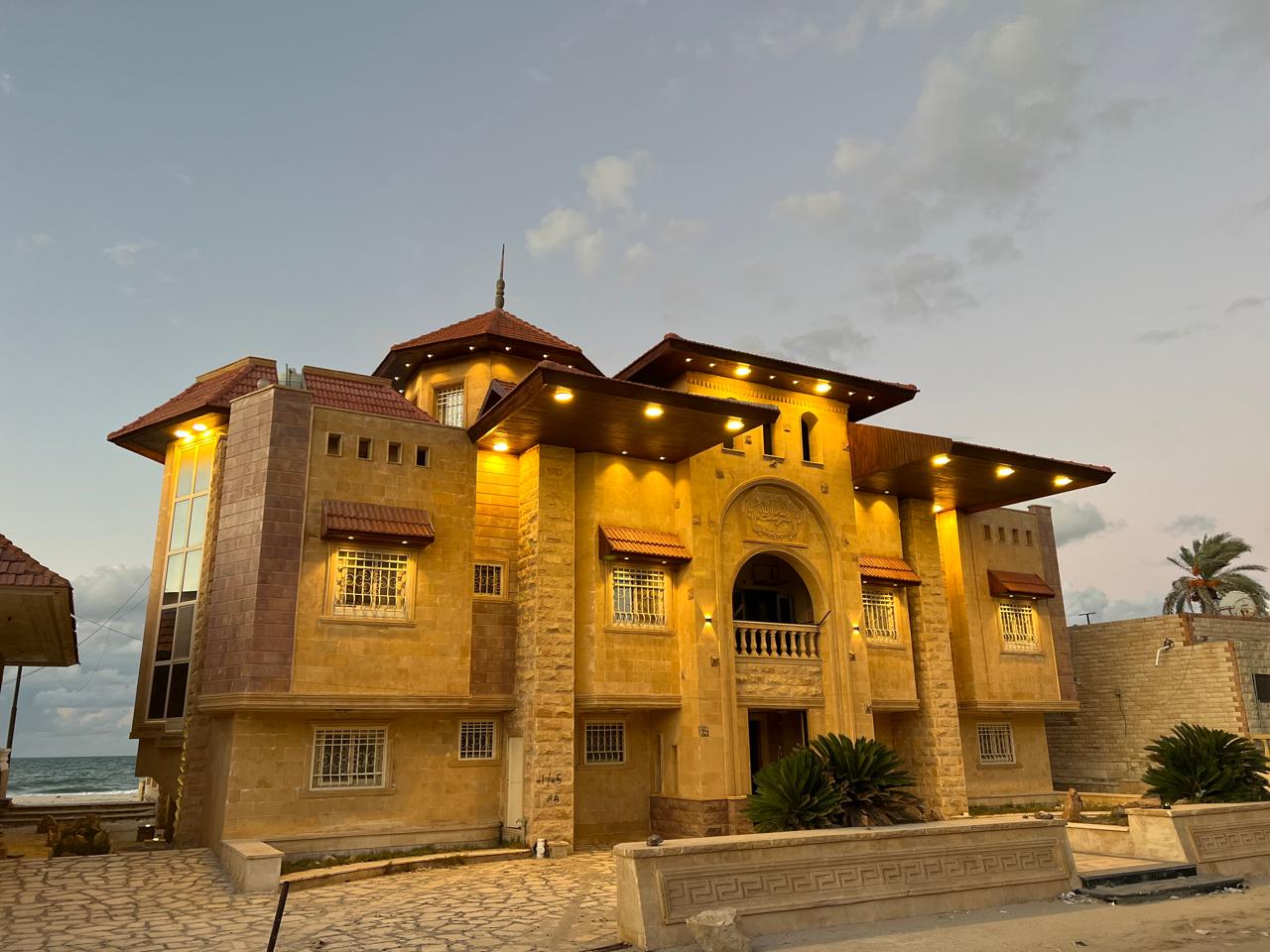 — An approved, authentic photograph of Sheikh Ali Hamdy Palace showing the building volumes and their relationship to the site.}
What Are the Common Mistakes When Choosing an Apartment or Villa?
The most significant mistakes include relying on price, floor area, or visible finishes alone while overlooking actual demand, operating costs, construction quality, and resale potential. A property should be assessed as an integrated asset rather than as a collection of isolated advantages.
-
Choosing a property because it is larger without checking the efficiency of its layout and use of space.
-
Treating gross rental income as net profit while ignoring vacancy, maintenance, management, and renovation costs.
-
Assuming that a villa's value will always increase because it includes land, or that an apartment will sell faster in every market.
-
Ignoring the condition of waterproofing, utilities, building systems, and construction quality when buying an existing property.
-
Paying for expensive finishes without assessing whether they match the preferences of the intended buyer or tenant.
-
Designing a villa that exceeds actual needs, adding construction and operating costs without a clear benefit.
-
Ignoring the exit strategy: Who is the potential future buyer, and what will make the property stand out from competing alternatives?
How Should You Make the Decision? A Pre-Purchase Checklist
Start by defining the objective. Then assess the location, demand, and competition; calculate total acquisition cost and net return; evaluate planning and construction quality; and finally, assess resale potential. Do not make the final decision until both properties have been compared using the same criteria.
-
Define the primary objective: rental income, family use, capital preservation, or resale.
-
Identify the target tenant or buyer and their actual needs.
-
Collect data on competing properties in the same location or in comparable locations.
-
Verify ownership documents, permits, applicable requirements, and relevant fees with the assistance of qualified professionals.
-
Calculate total acquisition cost rather than considering the purchase price alone.
-
Estimate net income after expenses and vacancy, and test a conservative scenario.
-
Inspect the layout, daylight, ventilation, privacy, building systems, and construction quality.
-
For a villa, assess the land, entrances, garden, waterproofing, façades, and external systems.
-
Prepare a maintenance and renovation plan for the intended holding period.
-
Identify potential future buyers and the property features likely to remain attractive to them.
Conclusion: Luxury Apartment or Detached Villa?
A luxury apartment may be more suitable when demand for residential units is strong in its location, shared management provides a genuine advantage, and the financial calculations indicate an acceptable net return.
A detached villa may be more suitable when the land, privacy, and outdoor spaces offer real value to the intended user, while operating costs remain consistent with the owner's budget.
The property type alone does not determine investment quality. The decisive factors are how well the asset aligns with the investment objective, market demand, ownership costs, and risk.
“The smartest property investment is not necessarily the largest; it is the one that best aligns with the objective, market demand, and total cost of ownership.”
Frequently Asked Questions
Is a villa better than an apartment for long-term investment?
Not necessarily. The decision depends on location, demand, acquisition price, operating costs, scarcity, and resale potential. A villa may benefit from land value and privacy, while an apartment may have advantages in a market with strong demand for residential units.
Is an apartment better for rental investment?
It may be suitable in a market where apartments are readily absorbed by tenant demand, but this cannot be generalised. Compare expected net income and vacancy, management, and maintenance costs with those of the alternative property.
How do I calculate net rental yield?
Divide annual net rental income after expenses by the total acquisition cost, then multiply the result by 100. Use realistic figures and do not treat advertised rent as guaranteed income.
Does a larger plot make a villa a better investment?
No. Location, shape, orientation, permitted development potential, privacy, planning efficiency, and operating costs must all be assessed. A smaller plot may be used more effectively if the design is more efficient.
Does architectural design increase property value?
Good design can improve usability, comfort, privacy, and overall appeal, but it does not guarantee a higher price. The financial impact depends on market conditions, demand, construction quality, and the property's other characteristics.
Need Professional Guidance Before Choosing Your Property?
If you are comparing the purchase of a luxury apartment with buying land to build a villa, begin by assessing your objective, location, architectural planning, and total cost before making a decision.
Elhelw Architects Designs provides architectural and interior design, façade design, finishing, construction, and engineering supervision services according to the agreed scope of each project.
Learn more about the firm and its services:
https://elhelwarchitectsdesign.com/ar/blog
Read a related article on apartment and villa design:
https://elhelwarchitectsdesign.com/ar/blog/taj-city-apartment-villa-design-and-fit-out-elhelw-architects