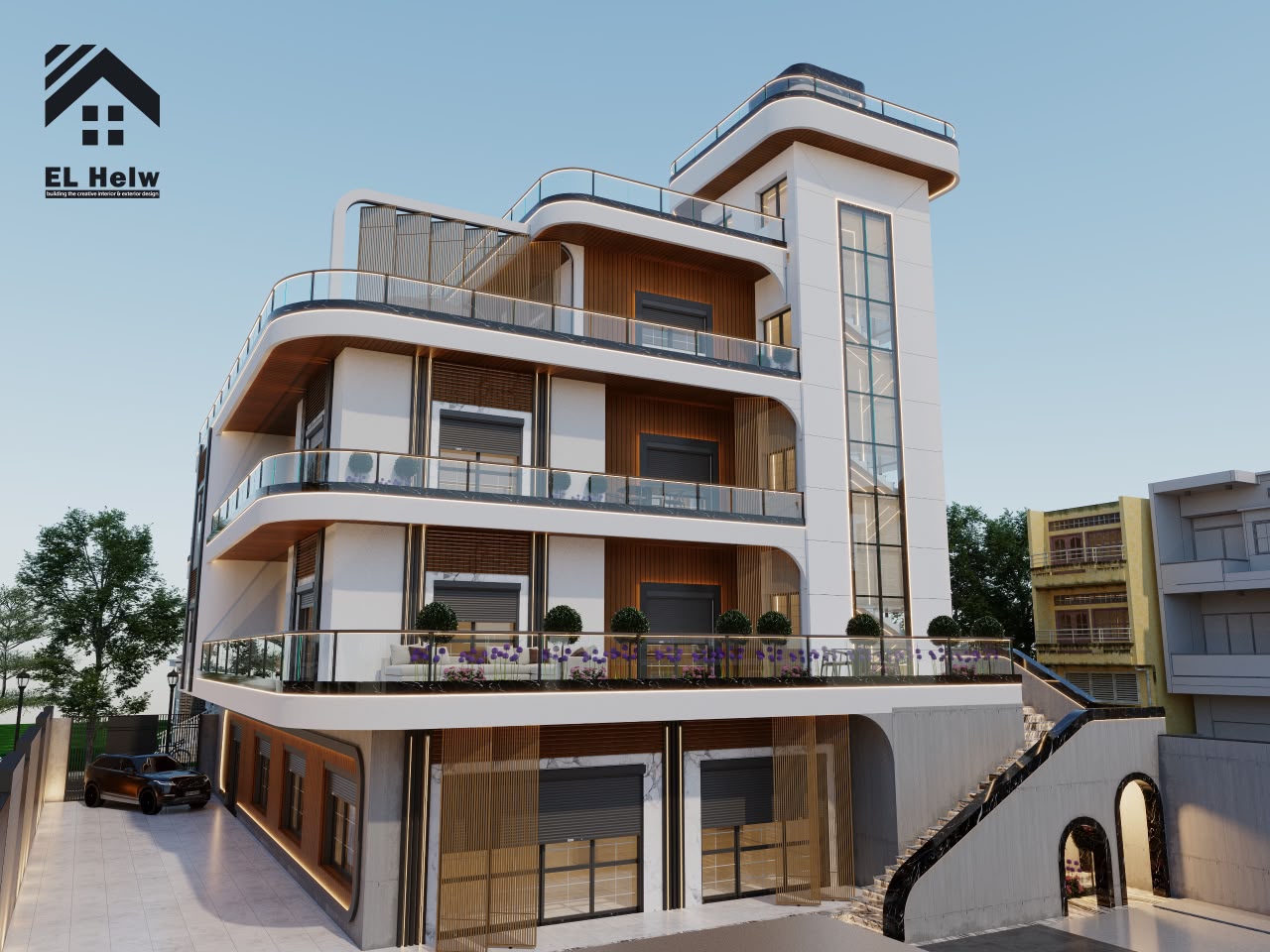

Full vs Partial Construction for Luxury Villas: Cost, Risk, Coordination, and the Right Execution Model
Choosing full or partial construction for a luxury villa is not simply a price decision. We compare responsibility, coordination, scope gaps, hidden costs, risks, and hybrid execution models.
Introduction: Is Full Construction Better Than Partial Construction for a Luxury Villa?
When a luxury villa moves from design into construction, one of the first strategic questions is whether the owner should appoint one main execution party or divide the project among several contractors and specialist companies.
From our experience in luxury villa and palace design, execution, engineering supervision, and project management, we see this as an execution-model decision, not simply a contractor-selection decision.
The right choice depends on:
-
Design readiness.
-
Scope of Work.
-
BOQ quality.
-
MEP complexity.
-
Procurement strategy.
-
Number of specialist contractors.
-
Owner involvement.
-
Project phasing.
-
Quality-control requirements.
-
Responsibility at interfaces between trades.
The short answer: Full construction provides greater centralization of responsibility and coordination. Partial construction gives the owner more flexibility and direct control over specialists, but it increases coordination requirements. For many complex villas, a well-managed hybrid model can provide the best balance.
We do not separate execution strategy from design. Architecture, interiors, MEP, facade systems, landscape, lighting, smart-home systems, procurement, and construction sequencing all influence how the project should be executed.
Full versus partial construction comparison for a luxury villa
after 
before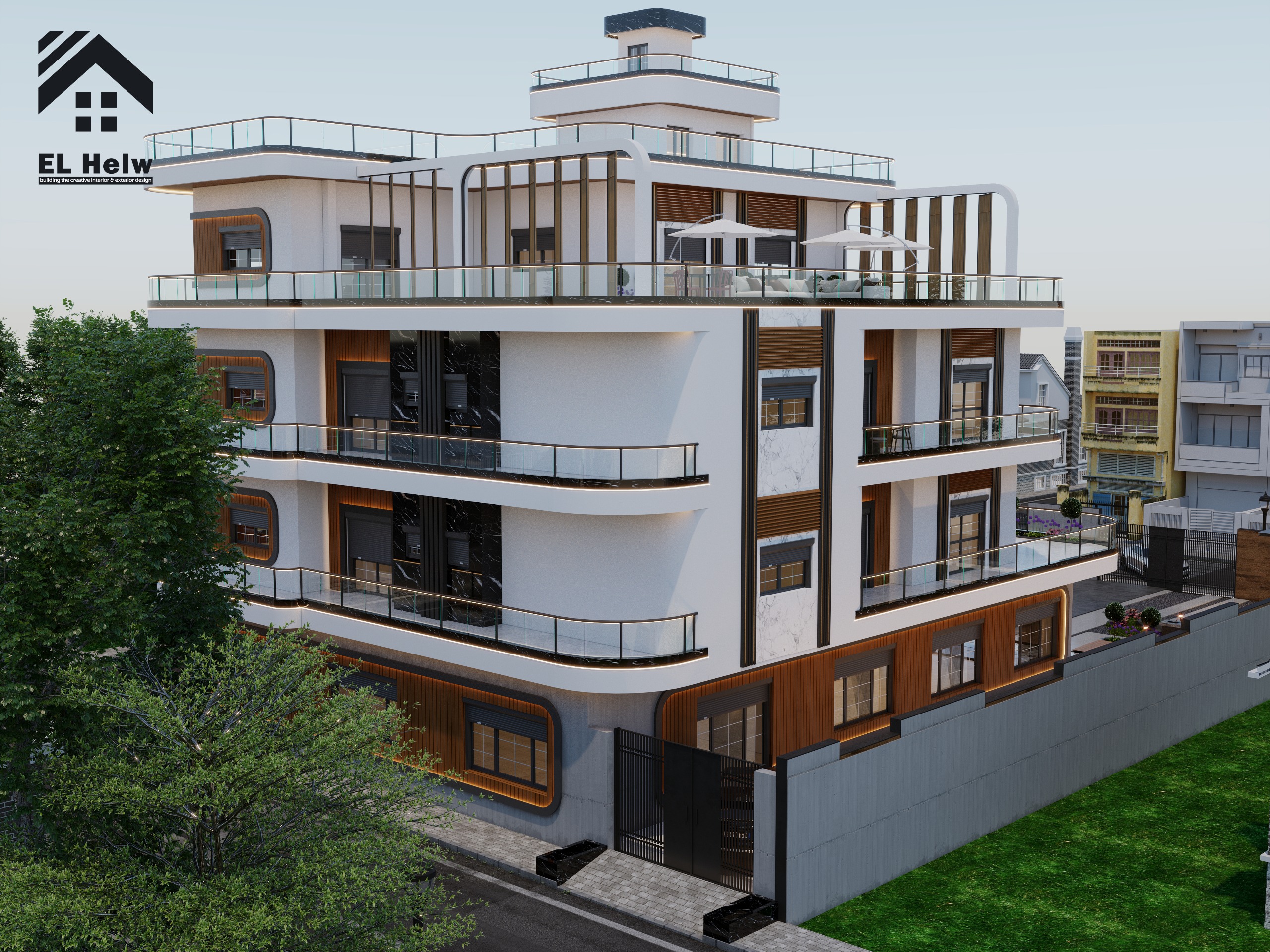
Luxury villa design and construction
What Does Full Construction Mean for a Luxury Villa?
Quick Answer: Full or turnkey construction means that one main execution party takes responsibility for a broad, clearly defined scope of the project, from major construction works through finishing and handover.
A full-construction arrangement may include, depending on the contract:
-
Excavation and foundations.
-
Structural works.
-
Masonry.
-
Waterproofing and insulation.
-
Electrical systems.
-
Plumbing.
-
HVAC.
-
MEP coordination.
-
Facade works.
-
Flooring.
-
Wall and ceiling finishes.
-
Joinery.
-
Metal works.
-
Lighting.
-
Landscape.
-
Swimming-pool works where included.
-
Smart-home systems where included.
-
Procurement.
-
Testing.
-
Defect correction.
-
Handover documentation.
However, we always make one distinction clear:
“Turnkey” is not enough by itself.
The actual contract must define what is included, what is excluded, who purchases materials, who coordinates specialists, who approves materials, who performs testing, who handles rework, and who provides final documentation.
A strong execution model starts with a strong Scope of Work.
What Is Partial Construction?
Quick Answer: Partial construction divides the project into separate packages or phases handled by different contractors or specialist companies.
A luxury villa may have:
-
A structural contractor.
-
A finishing contractor.
-
A specialist MEP contractor.
-
A smart-home company.
-
A lift company.
-
A landscape contractor.
-
A custom joinery workshop.
-
Specialist facade suppliers.
-
Separate kitchen or wardrobe suppliers.
This model can work very well.
The problem is not the number of contractors.
The problem is the coordination between them.
For example, if the HVAC contractor finishes ductwork and the ceiling contractor starts gypsum installation, who confirms the access panels, lighting openings, final ceiling levels, and service clearances?
If the answer is not defined, the project has a coordination gap.
Multiple specialist contractors coordinating luxury villa construction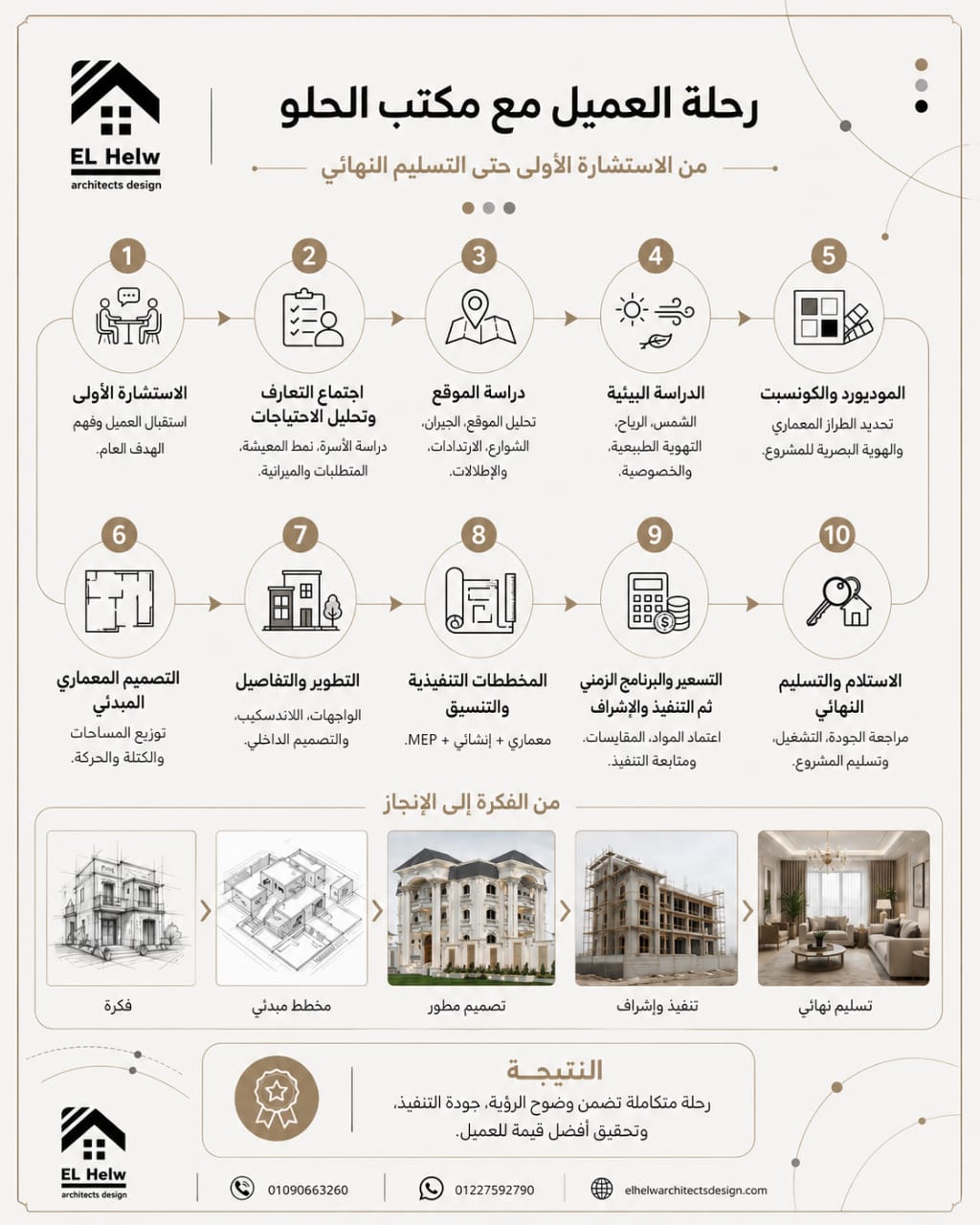
Full vs Partial vs Hybrid: Which Execution Model Is Better?
Quick Answer: There is no universal winner. We select the model according to project complexity, design readiness, owner involvement, specialist requirements, procurement, and coordination risk.
Decision Matrix
| Decision Factor | Full Construction | Partial Construction | Hybrid Construction |
|---|---|---|---|
| Responsibility | Centralized | Distributed | Structured distribution |
| Contractor management | Lower owner burden | Higher | Moderate |
| Specialist selection | Moderate flexibility | High | High |
| Procurement flexibility | Moderate | High | High |
| Interface risk | Lower if scope is clear | Higher | Moderate |
| Phasing flexibility | Good | Excellent | Excellent |
| Owner involvement | Lower | Higher | Moderate |
| Suitable for complex projects | Yes | Yes, with strong management | Often highly suitable |
| Scope-gap risk | Lower with strong contract | Higher | Requires clear matrix |
| Coordination requirement | High | Very high | Very high |
| Control over specialist trades | Contract dependent | High | High |
Our decision principle
If the owner wants one central execution structure and does not want to manage multiple contractors, full construction may be more suitable.
If the owner has a capable project-management structure and wants direct control over specialist contractors, partial construction can work effectively.
If the project needs both central management and specialist independence, hybrid execution can be a strong solution.
Is Partial Construction Actually Cheaper?
Quick Answer: Not necessarily. A lower contractor price does not automatically mean a lower total project cost.
This is one of the most important distinctions we make with clients:
Contract Price ≠ Total Project Cost
A partial-execution project may initially look cheaper because several packages are excluded from the main contract.
But the owner may still carry:
-
Project-management costs.
-
Contractor coordination.
-
Separate procurement.
-
Storage and logistics.
-
Testing.
-
Rework.
-
Protection of completed finishes.
-
Delays.
-
Interface management.
-
Separate warranty administration.
-
Owner time.
-
Variation management.
Therefore, we do not compare:
Full contract = X
against:
Partial contracts = Y
and immediately conclude that Y is cheaper.
We compare the total cost required to complete, test, document, and hand over the project.
What Is a Scope Gap?
Quick Answer: A Scope Gap is an activity, responsibility, or interface that is not clearly assigned between two contractors or packages.
This is one of the most important risks in partial construction.
Consider a simple example.
The HVAC contractor installs ductwork.
The gypsum contractor installs the ceiling.
But who is responsible for:
-
Access panels?
-
Openings?
-
Reinforcement around openings?
-
Coordination with lighting?
-
Final closure?
-
Painting after modifications?
-
Service access?
-
Rework if the duct route changes?
If nobody owns the interface, the problem eventually reaches the owner.
Scope Gap Matrix
| Interface | Responsibility Must Be Defined | Potential Result if Undefined |
|---|---|---|
| HVAC openings | Contractually assigned | Rework |
| Access panels | Contractually assigned | Maintenance problems |
| Electrical openings | Electrical/ceiling interface | Coordination conflict |
| Sleeves | Defined by system | Structural or finishing rework |
| Reinstatement | Assigned to a party | Disputes |
| Testing | Specialist + management | Delayed handover |
| Finish protection | Defined in sequence | Damaged finishes |
| As-Built drawings | Assigned | Poor future maintenance |
Insert image here
Alt text: Scope gap between specialist contractors in luxury villa construction
Interface Responsibility Matrix: Who Is Responsible for What?
Quick Answer: In multi-contractor projects, defining each contractor's own work is not enough. We must define who owns the interfaces between packages.
We recommend an Interface Responsibility Matrix for complex projects.
| Activity | Owner | Designer | Main Contractor | Specialist Contractor | Engineering Supervision |
|---|---|---|---|---|---|
| Design approval | A | R | C | C | C |
| Shop drawings | C | R/C | R | R | C |
| BOQ | C | R | C | C | C |
| Procurement | C | C | R | R | C |
| Construction | C | C | R | R | C |
| MEP coordination | C | R/C | R | R | C |
| Inspection | C | C | R | R | R |
| Conflict resolution | C | C | R | R | C/R |
| Handover | A | C | R | R | R |
| As-Built documentation | C | C | R | R | C |
R = Responsible
A = Accountable
C = Consulted
This matrix does not replace the contract. It makes the interfaces visible before they become site problems.
Why Does MEP Coordination Matter So Much?
Quick Answer: MEP systems interact directly with architecture, interiors, ceilings, lighting, joinery, and smart-home systems, so late changes can trigger expensive rework.
A luxury villa may contain:
-
Central HVAC.
-
Concealed ductwork.
-
Advanced electrical distribution.
-
Architectural lighting.
-
Data networks.
-
Audio systems.
-
CCTV.
-
Smart-home automation.
-
Motorized curtains.
-
Specialized kitchen equipment.
-
Water systems.
-
Pumps and treatment systems.
These are not independent systems.
A ceiling is an architectural element, but it is also a service zone.
A lighting feature is an interior-design element, but it also depends on electrical coordination.
A smart-home panel is a technology element, but it affects wall finishes and electrical infrastructure.
We therefore coordinate these systems before closing finished surfaces.
Insert image here
Alt text: MEP coordination between HVAC electrical and interior finishes
Suggested internal link: Engineering supervision for villa construction
Design Readiness: Why Execution Strategy Starts Before Construction
Quick Answer: The more complete and coordinated the design, drawings, specifications, and BOQ are, the easier it becomes to control a full, partial, or hybrid execution model.
Our workflow begins with understanding the site and the client's requirements, followed by design development, detailed drawings, quantities, and cost studies before execution.
The project may require:
-
Architectural drawings.
-
Structural drawings.
-
Interior design.
-
Facade design.
-
Landscape design.
-
Electrical drawings.
-
Plumbing drawings.
-
HVAC coordination.
-
Finish schedules.
-
Material specifications.
-
BOQ.
-
Shop drawings where applicable.
We do not consider a project “ready for construction” simply because the 3D images look finished.
A beautiful render cannot tell a contractor exactly how every junction should be built.
Construction requires information.
That information must be coordinated before the site becomes the place where design decisions are invented.
Procurement Strategy: Full vs Partial Construction
Quick Answer: Partial construction provides greater procurement flexibility, but it also requires stronger scheduling because different materials may have different approval, fabrication, delivery, and installation sequences.
Luxury villas frequently contain customized or long-lead items, including:
-
Marble and stone.
-
Custom joinery.
-
Kitchens.
-
Glazing.
-
Lifts.
-
HVAC equipment.
-
Lighting.
-
Smart-home systems.
-
Sanitary fixtures.
-
Metalwork.
-
Facade materials.
We do not select materials based on appearance alone.
We consider:
-
Durability.
-
Maintenance.
-
Environmental conditions.
-
Performance.
-
Compatibility.
-
Availability.
-
Installation requirements.
-
Budget.
The office also works with a broad network of suppliers and contractors and compares technical and financial options within the project's specifications and requirements.
Hidden Risks in Partial Construction
Quick Answer: The biggest hidden risks are often not visible in the contractor's initial price. They appear through rework, coordination, procurement, delays, responsibility gaps, and warranty issues.
| Risk | Cause | Impact | Prevention |
|---|---|---|---|
| Scope Gap | Unclear package boundaries | Disputes | Scope Matrix |
| Design Conflict | Uncoordinated drawings | Rework | Design coordination |
| Procurement Delay | Poor scheduling | Work stoppage | Procurement schedule |
| Warranty Gap | Multiple suppliers | Difficult claims | Warranty matrix |
| Finish Damage | Poor sequencing | Rework | Protection plan |
| MEP Conflict | Late coordination | Demolition/rework | Shop drawings |
| Cost Leakage | Uncontrolled changes | Budget increase | Change control |
| Responsibility Gap | No clear owner | Delayed decisions | RACI |
| Poor Handover | Missing documents | Maintenance problems | Handover checklist |
| Owner Overload | Too many decisions | Slow project | Project management |
The real cost of rework
Rework is not simply the price of a replacement material.
It can include:
Material + Labor + Time + Protection + Coordination + Delay
That is why we focus on preventing conflicts before work is closed behind finished surfaces.
Hybrid Execution: When Full and Partial Construction Work Together
Quick Answer: Hybrid execution combines centralized management for core work with specialist contractors for selected packages.
A possible structure may be:
-
Main contractor: structural and core construction.
-
Specialist MEP contractor.
-
Lift company.
-
Smart-home company.
-
Landscape contractor.
-
Specialist joinery.
-
Selected finishing contractors.
The model can work extremely well, but it requires:
Clear Scope + Clear Programme + Clear Interfaces
Hybrid execution is not simply a compromise between full and partial construction.
It is a project-management strategy.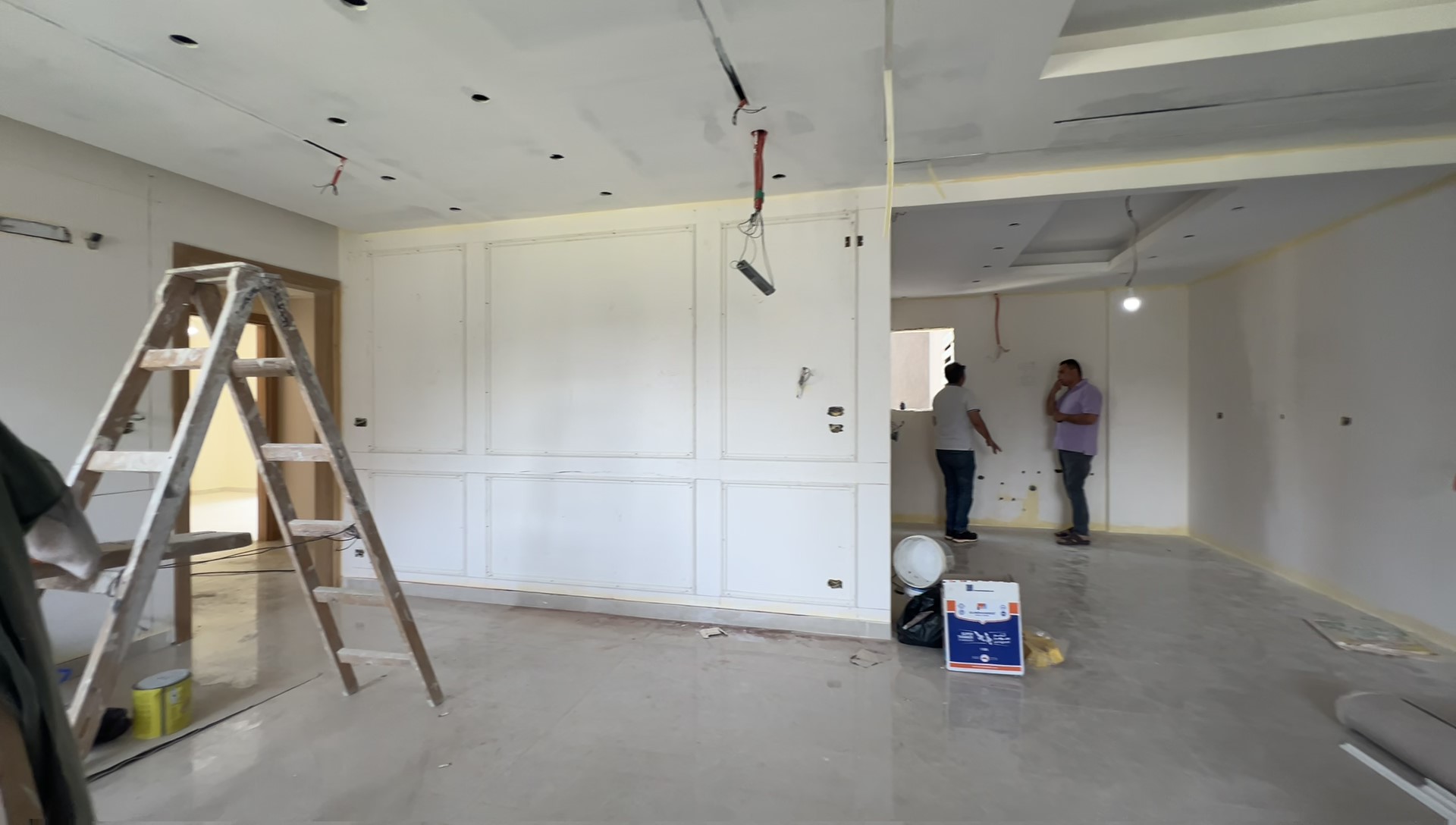
Hybrid execution model for a luxury villa project
When Do We Prefer Full Construction?
Quick Answer: We generally consider full construction when the project is complex, highly coordinated, and the owner wants to reduce the number of direct management interfaces.
It can be suitable when:
-
The design is substantially complete.
-
The project contains many interconnected trades.
-
The owner has limited time.
-
Procurement is extensive.
-
MEP is complex.
-
The owner wants central responsibility.
-
The project requires consistent sequencing.
But a full contract does not eliminate the need for engineering supervision and quality control.
Centralized responsibility only works when the scope and contract are clear.
When Does Partial Construction Make Sense?
Quick Answer: Partial construction can be effective when the owner or project manager can actively coordinate several contractors and when each package is clearly defined.
It may suit owners who:
-
Want to select specialists directly.
-
Have project-management support.
-
Want direct control over procurement.
-
Prefer phased execution.
-
Have specific preferred suppliers.
-
Want specialist companies for sensitive systems.
Our main rule is simple:
Do not divide the project until you understand every interface created by that division.
Phased Construction vs Partial Construction
Quick Answer: Phased construction is a planned sequence of delivery, while partial construction is primarily about how responsibility and scope are divided.
A villa can be executed in phases without creating unnecessary contractual fragmentation.
For example:
-
Structure.
-
Building envelope.
-
MEP rough-ins.
-
Interior finishes.
-
External works.
-
Landscape.
-
Specialist systems.
-
Testing and handover.
The important point is that the final vision should be considered before the first phase begins.
Our project methodology allows phased execution where the project conditions require it, provided the phases are studied in advance so they do not compromise quality or create unnecessary future costs.
elghool What Happens When Execution Becomes Separated from Engineering Coordination?
Quick Answer: The Qasr Al-Saba case demonstrates how partially independent execution can create architectural and technical problems that later require review, redesign, and specialized structural solutions.
According to the documented case study in our company knowledge base, the owner independently completed part of the execution and technical and architectural problems subsequently appeared.
Our intervention involved:
-
Reviewing the executed work.
-
Reviewing the design situation.
-
Redesigning selected architectural elements.
-
Reassessing structural elements.
-
Developing specialized reinforced-concrete solutions.
-
Correcting the execution direction.
-
Preserving the architectural identity.
The first lesson
A construction package does not exist in isolation.
A structural decision can affect architecture.
An architectural decision can affect MEP.
An MEP decision can affect ceilings.
A finishing decision can affect maintenance.
The second lesson
The earlier a conflict is discovered, the more options remain available.
After a wall is finished, a ceiling is closed, or concrete is cast, the cost and complexity of correction increase.
The third lesson
Partial construction itself is not the problem.
Uncoordinated partial construction is the problem.
elghool case study and engineering correction of construction work
How Do We Assess a Villa That Has Already Started Construction?
Quick Answer: We first assess what exists before deciding what should happen next. We review drawings, executed work, materials, interfaces, and discrepancies before recommending continuation, modification, or rework.
Our review can include:
-
Existing drawings.
-
Site inspection.
-
Comparison between drawings and execution.
-
Structural review where applicable.
-
MEP review.
-
Material review.
-
Identification of incomplete work.
-
Identification of defective or conflicting work.
-
Prioritization of corrective actions.
-
A structured completion strategy.
This is particularly important when several contractors have already worked on the property.
Our service scope also includes execution for clients who already have designs, after reviewing and approving the drawings, materials, and technical requirements within the agreed scope.
12-Point Pre-Contract Checklist
Quick Answer: Before signing a full, partial, or hybrid execution contract, we recommend confirming twelve fundamental areas.
-
Is the architectural design approved?
-
Are the required construction drawings complete?
-
Is the BOQ detailed?
-
Are material specifications documented?
-
Is every contractor's Scope of Work defined?
-
Who owns MEP coordination?
-
Who purchases each major material?
-
Who pays for rework caused by interface conflicts?
-
Is there a realistic construction programme?
-
How are variations approved?
-
How are systems tested and commissioned?
-
Who provides As-Built drawings, warranties, and final handover documents?
If several of these questions have no clear answer, we do not consider the execution model sufficiently defined.
How Do We Connect Design and Execution?
Quick Answer: Successful execution starts with coordinated design decisions. Construction should not become the place where unresolved architectural, structural, MEP, or finishing decisions are invented.
Our workflow connects:
Site → Client Brief → Mood Board → Concept → Detailed Design → Executive Drawings → Quantities → Cost Study → Execution → Supervision → Handover
This is important because:
-
Facades must coordinate with waterproofing.
-
Ceilings must coordinate with HVAC.
-
Floors must coordinate with door thresholds.
-
Bathrooms must coordinate with drainage and waterproofing.
-
Landscape must coordinate with site levels and drainage.
-
Lighting must coordinate with ceilings and interiors.
-
Smart-home systems must coordinate with electrical and architectural finishes.
The project succeeds when these decisions work together.
How Should We Measure Execution Success?
Quick Answer: We measure success by more than the final appearance or initial contract price. We consider quality, function, coordination, schedule, cost control, documentation, maintainability, and long-term performance.
We ask:
-
Was the design executed correctly?
-
Were unnecessary reworks minimized?
-
Were trades coordinated?
-
Were materials compliant?
-
Was the project handed over within the agreed scope?
-
Were systems tested?
-
Are final documents available?
-
Can future maintenance teams understand the systems?
-
Has the architectural identity been preserved?
-
Has the project remained aligned with the approved cost strategy?
Our core principle is:
Quality = Design Accuracy + Execution Accuracy + Supervision + Follow-up
Common Mistakes When Choosing Full or Partial Construction
Quick Answer: Most execution-model mistakes begin before construction, especially when owners compare incomplete quotations or sign contracts with unclear responsibilities.
1. Choosing the lowest price immediately
Different quotations may cover completely different scopes.
2. Ignoring Scope Gaps
The owner discovers later that “this item was not included.”
3. Dividing the project without management
Each contractor works independently while nobody manages the interfaces.
4. Starting before design coordination is complete
The site becomes the design office.
5. Buying materials too early
A selected material may later conflict with dimensions or specifications.
6. Treating MEP as an afterthought
Hidden systems eventually collide with finished surfaces.
7. Allowing uncontrolled variations
One change triggers several others.
8. Ignoring protection
New contractors can damage completed work.
9. Failing to document modifications
Without As-Built information, future maintenance becomes harder.
10. Treating supervision as occasional site visits
Engineering supervision must have a clearly defined scope.
E-E-A-T: Why Our Perspective Is Based on Practice
Quick Answer: Our approach to this subject is based on practical experience in architectural design, execution, engineering supervision, and project management for villas, palaces, and other complex projects.
Elhelw Architects Designs has more than 18 years of accumulated experience across architectural, interior, exterior, execution, and supervision work. The documented service scope includes architectural design, interior and exterior design, landscape design, turnkey execution, execution after review of ready-made designs, and specialized engineering consultancy.
Our philosophy is that a project is not simply a collection of drawings or construction activities. We treat it as an integrated system that starts by understanding the client's requirements and continues through design, coordination, execution, supervision, and handover.
Author: Sami Elhelw — Finishing Engineer — 18 years of experience.
Article preparation: This guide combines the office's documented execution methodology with the documented Qasr Al-Saba case study to explain the practical risks of fragmented execution.
Entity Architecture
Quick Answer: This article should be understood as part of a broader entity network connecting Elhelw Architects Designs with luxury villa design, execution, supervision, project management, and specialist construction services.
Primary Entity
Elhelw Architects Designs
Service Entities
-
Luxury Villa Design
-
Palace Design
-
Turnkey Construction
-
Partial Construction
-
Hybrid Construction
-
Engineering Supervision
-
Project Management
-
Interior Design
-
Facade Design
-
Landscape Design
-
MEP Coordination
-
BOQ
-
Procurement
-
Handover
Supporting Construction Entities
-
Main Contractor
-
Specialist Contractor
-
Subcontractor
-
Scope of Work
-
Scope Gap
-
Shop Drawings
-
Construction Programme
-
Variation Order
-
Quality Control
-
Testing & Commissioning
-
As-Built Drawings
This entity structure helps position the article within a broader topical authority cluster rather than around one isolated keyword.
Topic Cluster Strategy
Quick Answer: This article should function as the comparison and decision page within a broader luxury-villa design and construction cluster.
Pillar Topic
Luxury Villa Design and Construction from Concept to Handover
Supporting Topics
-
Full vs Partial Construction for Luxury Villas.
-
Luxury Villa Construction Cost.
-
Engineering Supervision for Villas.
-
Luxury Villa Interior Design.
-
Luxury Villa Facade Design.
-
Landscape Design.
-
Swimming Pool Design.
-
Villa Design and Construction Process.
-
How to Choose a Villa Contractor.
-
Reviewing Ready-Made Villa Designs.
-
Construction Procurement and Materials.
-
Villa and Palace Construction Timeline.
Each page should satisfy a different search intent instead of forcing all keywords into one article.
Frequently Asked Questions
Is full construction better than partial construction for a luxury villa?
Not automatically. Full construction centralizes responsibility and coordination, while partial construction gives owners more flexibility in selecting specialists. We select the model based on project complexity, design readiness, and management capacity.
Is partial construction cheaper?
It can be in some projects, but it is not guaranteed. The owner should compare total project cost, including management, coordination, rework, procurement, delays, and warranties.
What is the difference between turnkey and full construction?
Turnkey describes a delivery approach in which the project is handed over ready for use within the agreed scope. Full construction generally refers to a broad execution scope under one main responsibility. The contract defines the actual obligations.
What is a Scope Gap?
A Scope Gap is an undefined responsibility or activity between two contractors or work packages. It is a major source of disputes and rework in multi-contractor projects.
Can full and partial construction be combined?
Yes. This is commonly described as hybrid execution. A main contractor can manage core work while specialist companies handle selected systems, provided the interfaces are clearly defined.
Who is responsible for MEP coordination?
The answer depends on the project contract. Responsibility should be explicitly assigned between the designer, main contractor, specialist contractors, and engineering supervision team.
What should I do if construction has already started?
Begin with an engineering assessment of the existing work, drawings, materials, and interfaces. We then determine what can be retained, what requires modification, and how the remaining work should be completed.
Can a luxury villa be built in phases?
Yes. Phased execution can be effective when the phases are planned from the beginning and coordinated with the final design.
Do I need engineering supervision if I already have a contractor?
Potentially yes, especially when the project contains multiple trades or complex systems. The exact supervision scope should be defined before contracting.
What should I check before signing a construction contract?
At minimum, check the Scope of Work, BOQ, specifications, drawings, responsibilities, programme, procurement, variation procedure, testing, warranties, and handover documentation.
People Also Ask
-
Is full construction better than partial construction for a villa?
-
Is partial villa construction cheaper?
-
What is the difference between a general contractor and specialist contractors?
-
Who is responsible for errors in partial construction?
-
How do I compare villa construction quotations?
-
Can I build a luxury villa in phases?
-
What does turnkey construction mean for a villa?
-
Who coordinates MEP between contractors?
-
Do I need engineering supervision if I have a contractor?
-
What should I do if my villa construction has already started?
Our Recommendation: Choose the Model That Controls Risk, Not Just Price
Quick Answer: We do not choose full, partial, or hybrid construction based only on the lowest quotation. We choose the model that gives the project the clearest scope, strongest coordination, manageable risk, and appropriate level of responsibility.
For a highly complex project with extensive coordination and an owner who wants a central execution structure, full construction may be the better model.
For an owner with strong project-management capabilities who wants direct control over specialists and procurement, partial construction may work well.
For a project that needs central management plus selected specialist contractors, hybrid execution can be highly effective.
Our fundamental question is not:
Which contractor is cheapest?
It is:
Which execution structure can deliver the required scope with the least ambiguity, rework, and unmanaged risk?
Featured Quote: The lowest contract price is not always the lowest project cost; what matters is the true cost through handover.
Conclusion
The difference between full and partial construction for luxury villas is ultimately a difference in responsibility, coordination, procurement, risk, flexibility, and project management.
Full construction can simplify the management structure.
Partial construction can increase flexibility and direct specialist control.
Hybrid construction can combine the strengths of both.
But none of these models succeeds automatically.
The real foundation is:
Clear Design + Clear Scope + Clear Responsibilities + Coordinated MEP + Controlled Procurement + Engineering Supervision + Structured Handover
From our experience, the more complex the villa becomes, the more important interface management becomes.
A luxury villa is not simply a collection of finished rooms.
It is a coordinated architectural, structural, mechanical, electrical, finishing, and operational system.
CTA
If you are preparing to construct a luxury villa or palace, or if construction has already started and you need to decide whether the remaining work should follow a full, partial, or hybrid execution model, we can begin by reviewing the design, scope, current site condition, and project requirements before recommending the appropriate execution structure.
Elhelw Architects Designs
Architectural Design — Interior & Exterior Design — Turnkey Execution — Engineering Supervision — Specialized Consultancy.
Architectural design, construction, and engineering supervision services
Image gallery