
Engineering Supervision: What You Don’t See but What Protects Your Investment
Introduction: Why Can the Most Important Part of Your Project Be Something You Cannot See?
When an owner starts building a luxury villa, palace, or major architectural project, attention naturally goes to visible elements: the façade, stone, flooring, kitchens, lighting, furniture, swimming pool, landscaping, and final finishes.
Yet much of the long-term quality of a project is determined by things that are not immediately visible.
It is found behind walls and ceilings, beneath floors, between drawings and actual site conditions, between contractors and suppliers, and in the decisions made before concealed works are covered.
This is where engineering supervision becomes critical.
Quick Answer
Engineering supervision is the organized process of reviewing and monitoring construction to verify that work follows approved drawings, specifications, design requirements, and agreed project standards, while identifying errors and coordination problems before they become more expensive or difficult to correct.
Engineering supervision is not simply a site visit.
It is not merely taking photographs.
And it does not mean replacing the contractor.
It is a system connecting:
Design → Drawings → Specifications → Execution → Inspection → Correction → Re-Inspection → Documentation
Its value is therefore often found in the problems that did not happen because a potential issue was identified early.
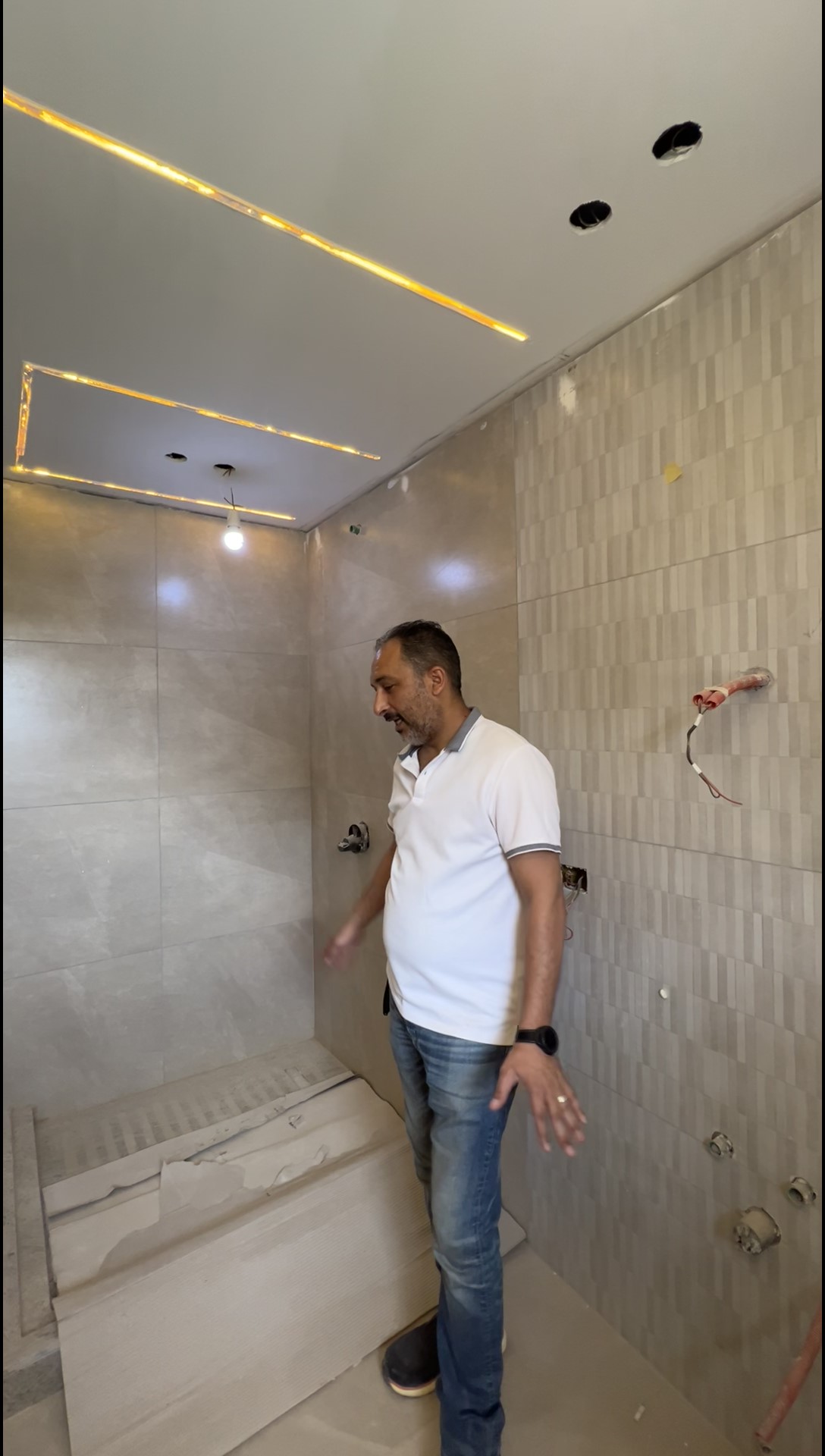
Engineering supervision of luxury villa construction and site quality inspection
What Does Engineering Supervision Actually Mean?
Engineering supervision means having an engineering team monitor construction according to a defined scope of work.
Depending on the project and contract, this can include reviewing execution, drawings, specifications, materials, concealed works, coordination, observations, corrective actions, changes, and handover stages.
A good design alone is not enough.
An experienced contractor alone is not enough.
Expensive materials alone are not enough.
There is always a possible gap between:
What was designed
and
What was drawn
and
What was approved
and
What was ordered
and
What was actually built.
Engineering supervision works directly within this gap.
Quick Answer
The supervising engineer does not build the project instead of the contractor. The engineer reviews, inspects, monitors, and coordinates construction within the agreed scope to verify that execution follows the approved project requirements.
Why Does Engineering Supervision Protect Your Investment?
Investment in a villa or palace is more than the value of the land and building.
It includes design quality, execution quality, durability, maintainability, system performance, privacy, operational efficiency, architectural identity, and future usability.
A small error can move from one stage to another.
For example:
A level error can affect finishes.
An MEP conflict can cause rework.
An unsuitable material can affect durability.
A late design change can affect cost and schedule.
A concealed defect can become difficult to access later.
Therefore, the goal of supervision is not simply to find errors.
It is to find them while they are still manageable.
Engineering Supervision, Quality, Time, and Cost
Engineering supervision should not be viewed as a quality-only function.
In complex projects:
Quality + Time + Cost
are closely connected.
Reworking a defective item creates additional cost.
Late correction may affect the schedule.
A delayed decision may affect procurement.
Changing a material late may affect dimensions, design coordination, and delivery.
Engineering supervision therefore becomes part of project risk management.
What Does a Supervising Engineer Do?
Depending on the agreed scope, engineering supervision may include:
-
Reviewing the current site condition.
-
Comparing execution with drawings.
-
Inspecting completed work.
-
Reviewing materials and specifications.
-
Inspecting concealed works before covering.
-
Recording observations.
-
Following up corrective actions.
-
Re-inspecting corrected work.
-
Coordinating disciplines.
-
Reviewing changes during construction.
-
Monitoring staged inspections and approvals.
-
Documenting decisions and modifications where required.
The basic cycle is:
Identify → Assess → Correct → Re-Inspect → Close
Site Visit vs. Site Inspection vs. Engineering Supervision
These terms are sometimes used interchangeably, although they are not identical.
| Term | Practical Meaning |
|---|---|
| Site Visit | A visit to understand the current condition or review specific points |
| Site Inspection | Engineering inspection of defined work or elements |
| Site Supervision | Periodic or continuous monitoring of execution, observations, coordination, and correction |
| Construction Management | Broader management involving schedule, coordination, contractors, procurement, cost, decisions, and follow-up according to scope |
A weekly site visit does not automatically mean full engineering supervision.
Likewise, sending site photographs does not automatically mean that the work has been technically inspected.
A photograph records what is visible. Engineering inspection interprets what is visible and determines what should happen next.
What Does Engineering Supervision Include — and What Does It Not Include?
What May Be Included
Depending on the contract:
-
Construction monitoring.
-
Drawing and detail review.
-
Material and specification review.
-
Inspection and acceptance points.
-
Concealed-work inspections.
-
Observation recording.
-
Corrective-action follow-up.
-
Interdisciplinary coordination.
-
Change review.
-
Documentation.
-
Staged handover support.
What Supervision Does Not Automatically Mean
Engineering supervision does not automatically mean that the office:
-
Is the contractor.
-
Purchases every material.
-
Manages every worker.
-
Automatically assumes responsibility for every contractor error.
-
Guarantees that no problem will occur.
-
Manages every project activity unless the contract says so.
That is why a clear Scope of Work is essential.
Who Is Responsible for What?
| Task | Supervising Engineer | Contractor | Owner |
|---|---|---|---|
| Execution review | Yes, within scope | Execute and correct | Informed |
| Construction | Monitor | Responsible for execution | — |
| Material approval | Technical assessment | Submit samples/alternatives | Decision according to agreement |
| Design change | Assess impact | Explain execution impact | Approve |
| RFI | Review/follow up | Raise when needed | Inform/decide when required |
| NCR | Issue/follow up according to system | Correct cause | Informed |
| Variation | Assess impact | Submit details | Approve according to agreement |
| Handover | Inspect/review | Correct observations | Accept |
The exact matrix changes from project to project.
The principle remains:
Every action should have a clearly defined responsible party.
When Do You Actually Need Engineering Supervision?
Quick Answer
The need for engineering supervision increases as project value, complexity, number of disciplines, concealed works, and potential rework costs increase.
| Project Type | Potential Need |
|---|---|
| Simple apartment finishing | Depends on scope |
| Full apartment fit-out | Important |
| New villa | High |
| Luxury villa | Very high |
| Palace | Very high |
| Multi-disciplinary project | Very high |
| Major modifications to an existing building | Very high |
| Project with extensive concealed works | High |
| Owner frequently absent | Higher need for structured monitoring |
Ask:
-
Is the project new or existing?
-
Are there structural works?
-
Are MEP systems complex?
-
Are architectural details extensive?
-
Are materials high value?
-
Are there multiple contractors?
-
Are there multiple suppliers?
-
Is the owner present regularly?
-
Are there concealed works?
-
Is rework expensive?
Can You Build Without Engineering Supervision?
Different projects require different levels of monitoring.
A simple project may require limited engineering follow-up.
A complex villa or palace, however, may contain many decisions that should not be left entirely to the construction site.
The better question is not:
“Do I need supervision?”
It is:
“What level of supervision matches the project's value, complexity, and risk?”
When Should Engineering Supervision Start?
Engineering supervision should not necessarily begin only after construction starts.
The earlier coordination and technical review are introduced, the greater the opportunity to identify conflicts before execution.
The process may connect:
Design
→
Shop Drawings
→
Details and Specifications
→
Execution
→
Inspection
→
Handover
The exact starting point depends on the project's current status and contractual scope.
Inspect Before You Cover
One of the most important principles in construction supervision is:
Inspect before you cover the work.
Some work becomes difficult to inspect after it disappears.
Examples include:
-
Electrical conduits.
-
Plumbing pipes.
-
Drainage.
-
HVAC piping.
-
Sleeves.
-
Openings and penetrations.
-
Waterproofing.
-
Embedded elements.
-
Services behind ceilings, walls, floors, and cladding.
A finished surface can look excellent while a concealed system behind it contains an unresolved problem.
Therefore:
What will become invisible after finishing should be inspected before it becomes invisible.
Concealed Works Inspection
Quick Answer
Yes. Concealed works are among the most important inspection points because they become harder to verify and repair after they are covered.
Inspection may involve:
-
Routes.
-
Levels.
-
Outlet positions.
-
Openings.
-
Service points.
-
Drawing compliance.
-
Coordination with other disciplines.
-
Required testing.
-
Readiness for covering.
This is why staged inspection matters.
MEP Coordination
In villas and palaces, several disciplines overlap:
Architecture + Structure + Electrical + Plumbing + HVAC + Interior
Conflicts can occur between:
-
HVAC routes and suspended ceilings.
-
Electrical outlets and furniture.
-
Pipes and structural elements.
-
Architectural openings and mechanical services.
-
Façade design and services.
-
Interior finishes and service routes.
Early coordination is generally easier than solving the same conflict after construction.
Material Review and Approval
A material is not simply a color or visual finish.
Important materials should be evaluated according to:
-
Quality.
-
Intended use.
-
Durability.
-
Maintenance.
-
Availability.
-
Design compatibility.
-
Project conditions.
-
Coordination with other systems.
-
Required performance.
This is where Material Approval can become part of the quality-control process where applicable.
The cheapest material is not always the most economical.
The most expensive material is not automatically the best.
The engineering question is:
Does the material provide the required performance, durability, maintenance characteristics, and compatibility with the project?
RFI: What Happens When Information Is Unclear?
RFI — Request for Information
An RFI is used when information is unclear, conflicting, or requires clarification before execution.
Examples:
-
An unclear drawing detail.
-
A conflict between architectural and MEP drawings.
-
An uncertain level.
-
A material requiring clarification.
-
A discrepancy between drawings and site conditions.
The existence of an RFI is not necessarily a problem.
The problem is continuing construction without resolving a critical question.
A useful tracking cycle is:
RFI → Responsible Party → Request Date → Decision → Closing Date → Site Impact
NCR: What Happens When Work Does Not Conform?
NCR — Non-Conformance Report
An NCR identifies a situation where construction, material, or a product does not conform to approved requirements.
The objective is not simply to record the issue.
It is to:
Identify → Analyze → Correct → Reinspect → Close
An NCR does not automatically mean project failure.
The important point is whether the project has a real mechanism for correction and closure.
Snag List and Punch List
As the project approaches handover, remaining defects and incomplete items should be identified and tracked.
Examples include:
-
Finishing defects.
-
Scratches.
-
Level differences.
-
Door adjustment.
-
Paint defects.
-
Incomplete details.
-
Equipment requiring testing.
-
Electrical or mechanical items requiring review.
However, effective supervision does not wait until final handover to discover every problem.
The earlier observations are handled, the easier final handover becomes.
Does Engineering Supervision Reduce Construction Cost?
Quick Answer
Good engineering supervision can help reduce unnecessary costs by identifying errors, conflicts, and quality problems early, but it does not guarantee lower project cost by itself.
Project cost is also influenced by:
-
Design.
-
Owner decisions.
-
Contractor performance.
-
Suppliers.
-
Market prices.
-
Project scope.
-
Changes.
-
Procurement.
-
Schedule.
However, correcting an issue before it is covered or connected to subsequent work can be easier than correcting it after several additional stages have been completed.
Engineering Supervision Cost: How Are Fees Determined?
There is no single universal supervision fee for every project.
Potential factors include:
| Factor | Potential Impact |
|---|---|
| Project area | High |
| Project type | High |
| Villa / palace / administrative | High |
| Project stage | High |
| Number of visits | High |
| Daily supervision | High |
| Periodic supervision | Moderate depending on scope |
| Number of disciplines | High |
| Documentation level | Moderate |
| Project location | May affect |
| Duration | May affect |
| Detail complexity | May affect |
| Finishing scope | May affect |
| Multiple contractors | May affect |
Possible service models include:
-
Periodic visits.
-
Stage-based supervision.
-
Intensive supervision.
-
Daily supervision.
-
Multi-disciplinary supervision.
But the number of visits alone does not define the value of the service.
The owner should understand:
-
Who is responsible?
-
What is included?
-
Which disciplines are covered?
-
What are the inspection points?
-
Are concealed works included?
-
How are observations recorded?
-
How are corrections followed up?
-
How are changes handled?
-
Are reports provided?
-
What are the contractual limits?
How Should You Compare Two Supervision Offers?
Do not compare price alone.
| Item | Offer A | Offer B |
|---|---|---|
| Scope | Clearly defined | Unclear |
| Visits | Defined | Unclear |
| Disciplines | Defined | Partially defined |
| Concealed works | Included | Not stated |
| Reports | Included | Unclear |
| Corrective follow-up | Defined | Unclear |
| Changes | Defined process | Unclear |
| Responsible engineer | Identified | Unclear |
The cheapest offer is not necessarily the best.
The most expensive offer is not automatically the best.
Compare:
Scope + Team + Methodology + Inspection + Documentation + Responsibility
How Do You Choose an Engineering Supervision Office?
Quick Answer
Choose a supervision office that can clearly explain who will supervise your project, what will be inspected, how often, how observations will be documented, how corrections will be followed up, and how changes and responsibilities will be handled.
10 Questions to Ask Before Contracting
-
Who is the responsible engineer?
-
Is supervision daily or periodic?
-
How are visits defined?
-
Are concealed works included?
-
How are observations recorded?
-
How is the contractor followed up?
-
Are materials reviewed?
-
How are changes handled?
-
Are periodic reports provided?
-
What exactly does the supervision contract include?
Warning Signs
Be careful with vague statements such as:
-
“Everything is included” without a clear scope.
-
“We visit when needed” without a defined process.
-
“We solve every problem” without responsibilities.
-
“We have extensive experience” without explaining the relevant project type or actual role.
Experience matters.
But a clear, explainable methodology is stronger than a generic experience claim.
Engineering Supervision vs. Construction
The contractor executes.
The supervising engineer reviews, monitors, inspects, and follows up within the agreed scope.
One does not replace the other.
A coordinated project may follow:
Design → Drawings → Specifications → Execution → Supervision → Inspection → Handover
Design Only vs. Design & Build vs. Turnkey
There is no single model that suits every owner.
| Item | Design Only | Design & Build | Turnkey |
|---|---|---|---|
| Architectural design | Yes | Yes | Yes |
| Interior design | By agreement | Usually | Usually |
| Shop drawings | By scope | Yes | Yes |
| BOQ | By agreement | Usually | Yes |
| Material selection | By agreement | Integrated | Integrated |
| Construction | No | Yes | Yes |
| Supervision | By agreement | By model | By model |
| Supplier management | Usually owner | Team | Team |
| Single point of contact | No | Possible | Usually |
The right model depends on:
-
Owner experience.
-
Project size.
-
Number of parties.
-
Available time.
-
Desired control.
-
Design complexity.
-
Budget.
-
Owner willingness to manage contractors directly.
apartment taj city
What Happens When Part of Construction Is Executed Independently?
One practical case associated with the office's experience is Al-Saba Palace, where part of the project was executed independently by the client before technical and architectural problems appeared.
The value of this case is not in turning it into a marketing story.
The real lesson is what happens when engineering review enters after work has already progressed.
The Problem
Part of the project had been executed before comprehensive engineering review became involved.
Technical and architectural issues then appeared.
The Intervention
The team first reviewed the existing work and understood what had already been executed.
The affected architectural and structural elements were then reconsidered.
The Resolution
The project required corrective engineering treatment and adjustments to certain architectural and structural elements according to the actual site condition.
The Lesson
The earlier a problem is discovered, the more options are generally available for dealing with it.
Once work is completed, covered, and connected to other trades, the available solutions may become more limited.
Early supervision does not mean that problems will never occur.
It means the project has a better opportunity to identify and manage them before they become more difficult.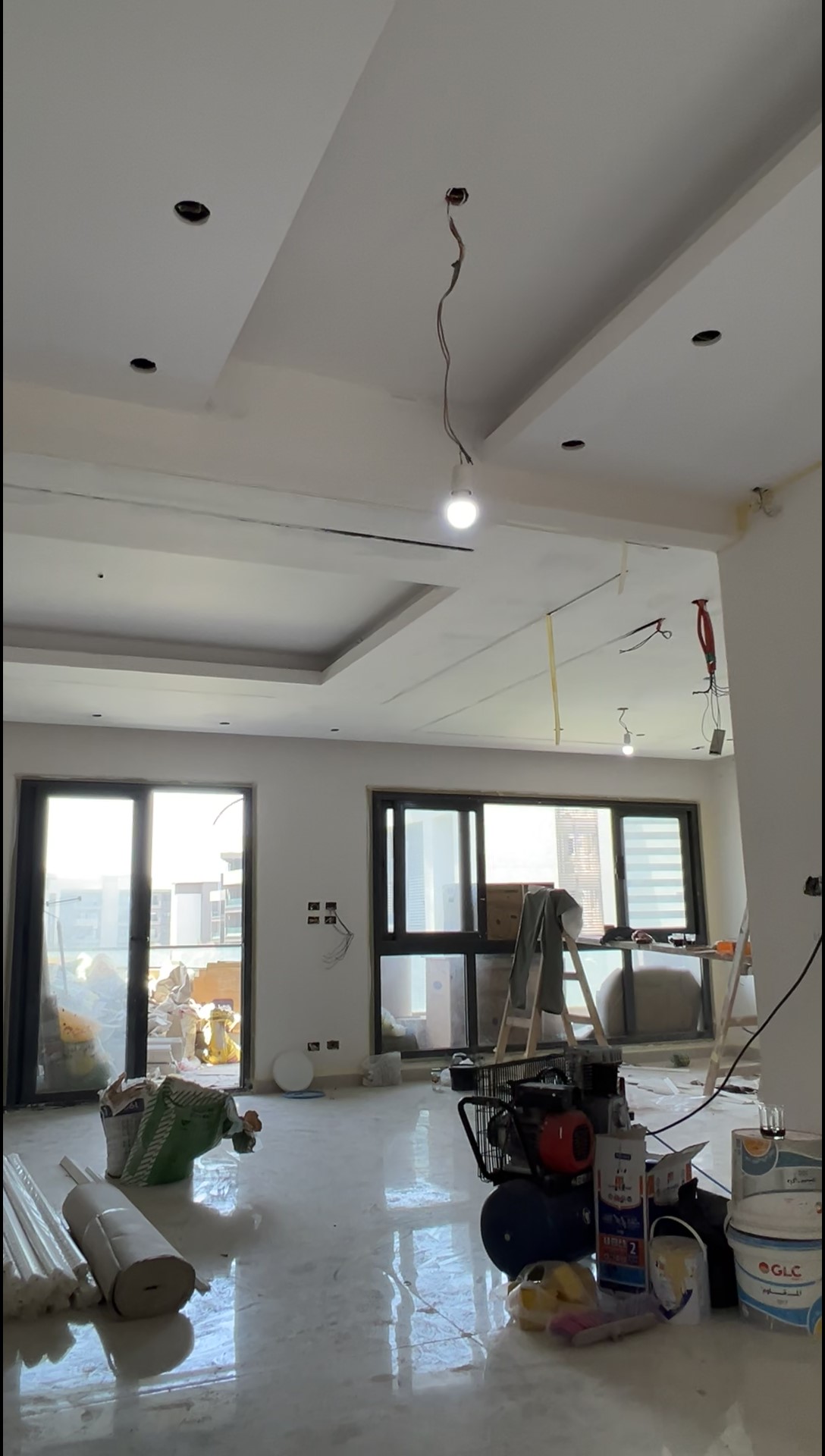
Engineering supervision of luxury villa construction and site quality inspection
Why Is Final Review Not the Same as Continuous Supervision?
An owner may ask:
“Why not build first and have an engineer review everything at the end?”
Because some errors become connected to later work.
If a problem is found in:
-
Structure.
-
Openings.
-
Services.
-
Waterproofing.
-
Levels.
-
Concealed installations.
after subsequent stages have been completed, correction may require demolition, rework, or changes across multiple trades.
Therefore:
Final inspection is important, but it is not a substitute for staged supervision.
Construction Risk Management
Project risks can include:
-
Financial risks.
-
Design risks.
-
Construction risks.
-
Procurement risks.
-
Site risks.
-
Schedule risks.
-
Change risks.
A practical framework is:
Risk → Probability → Impact → Prevention → Response
This turns supervision from a purely reactive process into a more proactive risk-management system.
Change Management During Construction
A change is not necessarily a mistake.
It may result from:
-
Owner requirements.
-
Site discoveries.
-
Change of use.
-
Material availability.
-
Technical adjustments.
-
Better coordination.
-
New operational requirements.
The problem is unmanaged change.
Before approving a change, ask:
What is changing?
Why?
What is the cost impact?
What is the schedule impact?
Which items are affected?
Are drawings affected?
Is owner approval required?
Then document the change through an appropriate process.
Value Engineering
Value Engineering does not simply mean:
Use a cheaper material.
It means seeking the required function at the best overall cost without sacrificing the required performance, safety, durability, or architectural objective.
Examples may include:
-
Optimizing dimensions.
-
Reducing material waste.
-
Selecting alternatives with equivalent required performance.
-
Improving façade details.
-
Coordinating tile dimensions.
-
Improving construction methods.
-
Improving procurement timing.
The goal is:
Value, not simply the lowest price.
What Should an Engineering Report Include?
A useful engineering report should not be just a collection of photographs.
It may include:
-
Project status summary.
-
Planned activities.
-
Completed activities.
-
Planned vs. Actual.
-
Progress where measurable.
-
Delayed activities.
-
Delay causes.
-
Materials and procurement.
-
Engineering observations.
-
MEP coordination.
-
RFIs.
-
NCRs where applicable.
-
Open observations.
-
Owner decisions required.
-
Changes.
-
Risks.
-
Next-period priorities.
-
Responsible party for each action.
-
Target closing date.
-
Photographs connected to observations.
Photo Report vs. Engineering Report
| Photo Report | Engineering Report |
|---|---|
| Visually records site condition | Interprets site condition |
| Shows what was photographed | Defines what was inspected |
| May not establish compliance | Connects work to drawings/specifications |
| Does not always define action | Defines required action |
| Useful for documentation | Useful for decisions and follow-up |
The strongest system uses both.
What Should Weekly Site Monitoring Look Like?
Weekly monitoring is not simply visiting the site and taking photographs.
A useful cycle is:
Plan → Execute → Inspect → Record → Decide → Correct → Follow Up
It should answer:
-
What was planned?
-
What was actually completed?
-
What is the actual progress?
-
Is execution compliant?
-
What defects exist?
-
Which materials are delayed?
-
Which concealed works must be inspected?
-
Are there coordination conflicts?
-
What decisions are required from the owner?
-
What are the priorities for the next period?
Planned Progress vs. Actual Progress
It is important to distinguish:
Planned Progress
from
Actual Progress
Illustrative example only:
| Item | Planned | Actual | Status |
|---|---|---|---|
| Masonry | 100% | 90% | Limited delay |
| Electrical | 80% | 80% | On plan |
| Plumbing | 70% | 50% | Follow-up required |
| Waterproofing | 40% | 20% | Delay |
| Finishes | 30% | 30% | On plan |
These figures are illustrative and are not actual project data.
The important question is not only:
“What is the percentage?”
but:
“Why is there a difference?”
and:
“Does it affect another activity?”
Critical Path: Why Does Not Every Delay Delay the Project?
Not every delayed activity has the same effect on the final completion date.
Some activities have float.
Others are part of the Critical Path.
When a delay appears, ask:
-
How long is the delay?
-
Why did it happen?
-
Is there an alternative?
-
Can activities run in parallel?
-
Is the activity on the critical path?
-
Is an owner decision required?
-
Does the schedule need to be updated?
The goal is to identify delay while it is still manageable.
Procurement and Material Tracking
A site can be ready for construction while work remains stopped because a required material has not arrived.
This is why the process should be connected:
Design → Approval → Procurement → Delivery → Installation
This becomes particularly important for:
-
Special materials.
-
Custom-made products.
-
Imported items.
-
Long-lead items.
-
Materials required before subsequent activities can start.
What Does the Villa Owner Need to Know?
The owner does not necessarily need to read every technical detail.
But the owner needs a clear decision-level picture.
A simple dashboard can include:
| Indicator | Status |
|---|---|
| Progress | On plan / Follow-up required |
| Schedule | Stable / Variance |
| Quality | Stable / Open observations |
| Procurement | Stable / Follow-up required |
| Decisions | None / Approval required |
| Changes | None / Open |
| Risks | Low / Action required |
| Next period | Key priorities |
The objective is not to reduce the project to a few boxes.
It is to give the owner a clear decision snapshot.
Common Owner Mistakes That Increase Project Risk
Common issues include:
-
Starting construction before critical information is complete.
-
Having no clear scope.
-
Relying entirely on the contractor without defining a review mechanism.
-
Purchasing materials randomly.
-
Constantly changing the design.
-
Failing to document changes.
-
Failing to inspect concealed works.
-
Weak coordination between disciplines.
-
Delayed material approvals.
-
No clear observation-management process.
-
Late decision-making.
-
Choosing project participants based on price alone.
The risk often comes not from one mistake but from several small mistakes accumulating without a system to identify and close them.
During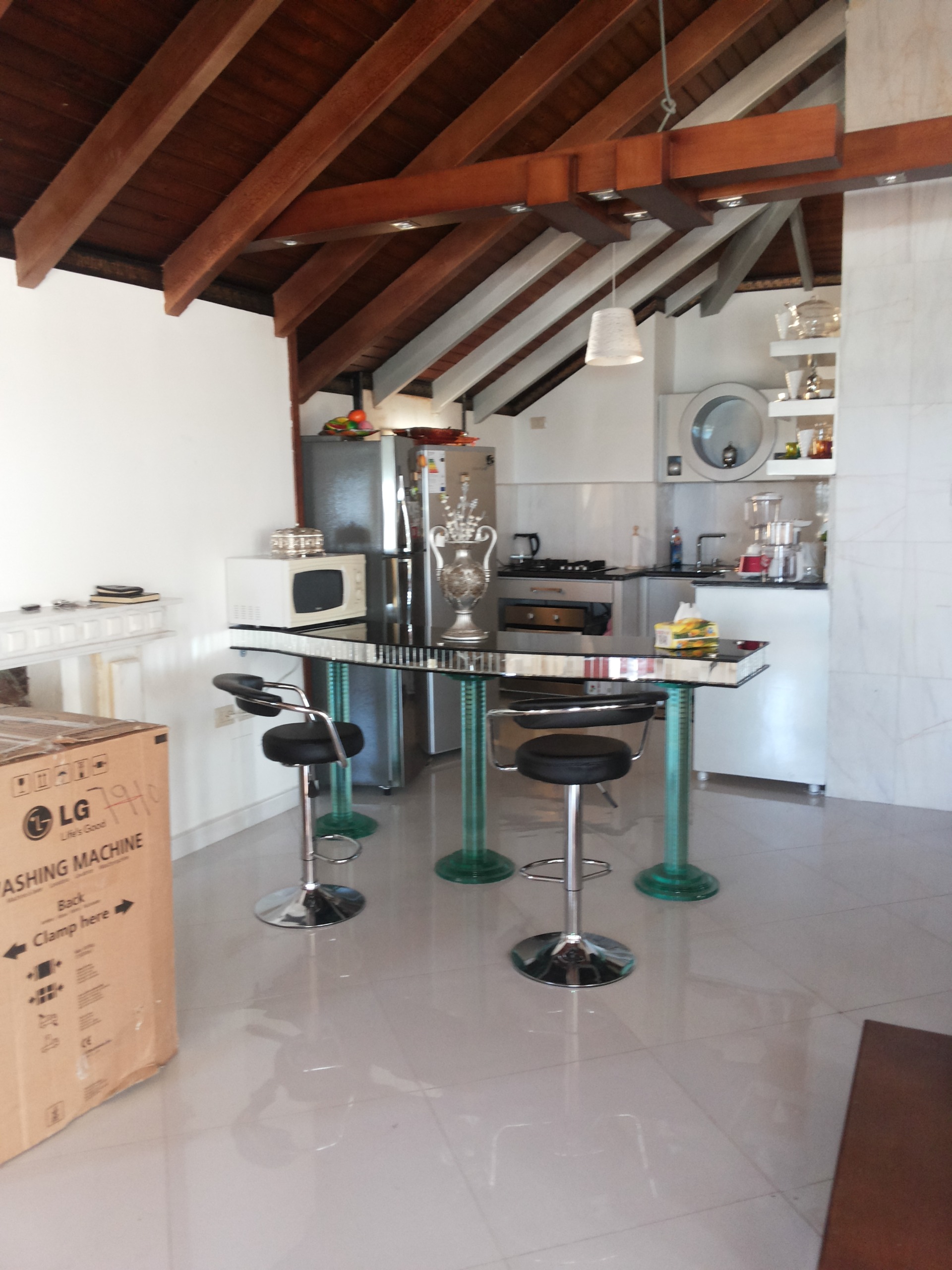
→
After
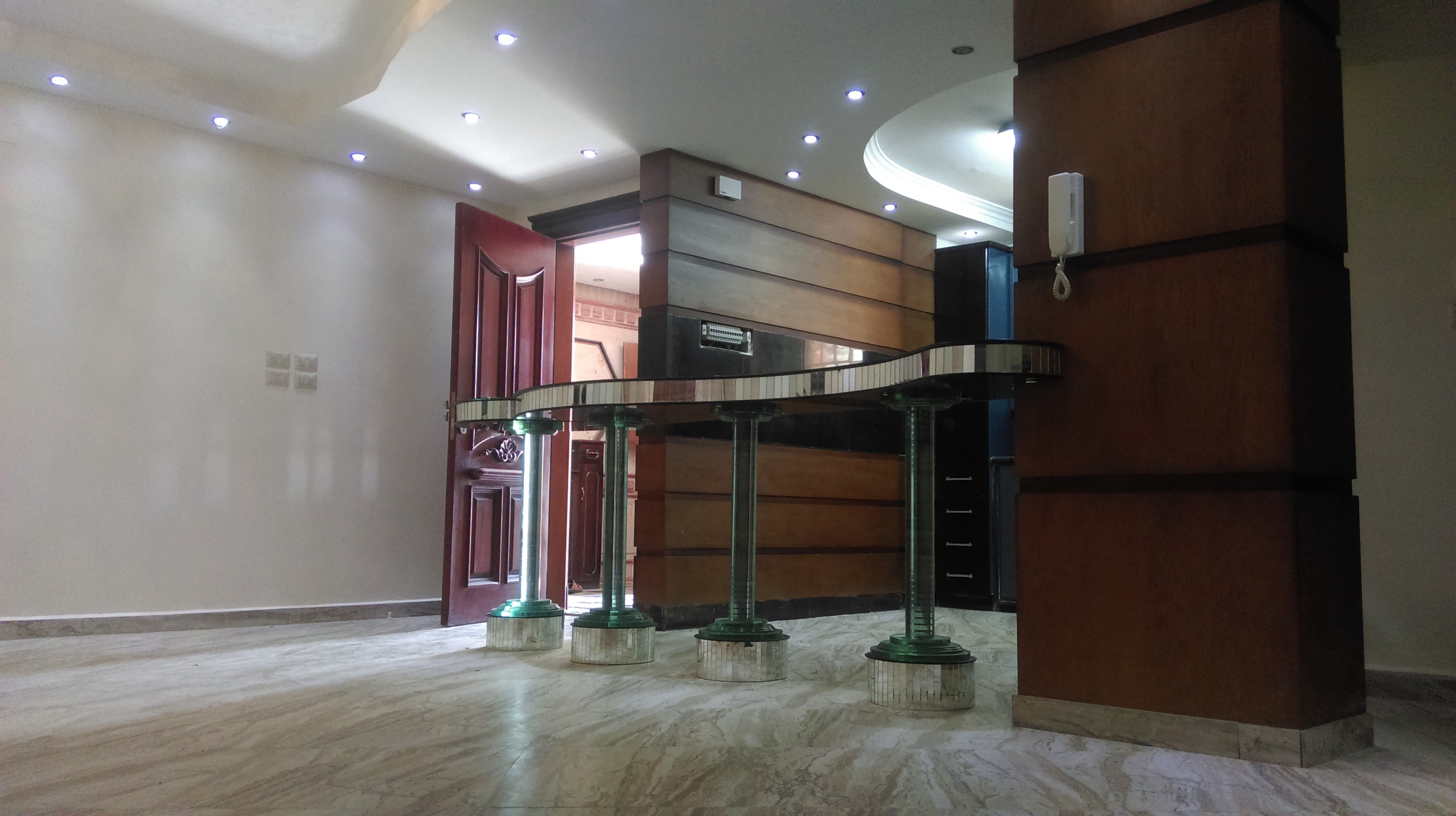
Coordination of architectural electrical and mechanical works during engineering supervision
About the Author
Eng. Samy Elhelw
Finishing Engineer – Founder, Elhelw Architects Designs
Eng. Samy Elhelw has more than 18 years of experience across architectural design, execution, finishing, engineering supervision, and project management.
His professional experience includes a wide range of projects, from residential units and smaller projects to private villas, luxury palaces, and projects involving complex architectural and operational requirements.
The working approach connects:
Design + Execution + Detailing + Coordination + Quality + Follow-up
because project quality is not determined only by the final photograph.
It is determined by what happens between the first design decision and final handover.
Entity Architecture: Connecting Engineering Supervision to the Full Project
The main entities can be understood as a connected network:
Elhelw Architects Designs
↓
Engineering Supervision
↓
Architectural Design
↓
Villa Design / Palace Design
↓
Interior Design
↓
Exterior Design
↓
Landscape Design
↓
Shop Drawings
↓
Material Specifications
↓
Construction / Execution
↓
Quality Control
↓
MEP Coordination
↓
Site Inspection
↓
Change Management
↓
Documentation
This relationship helps position engineering supervision as part of an integrated project workflow rather than as an isolated site-visit service.
Topic Cluster Around Engineering Supervision
This article can serve as a pillar article supported by focused articles such as:
-
What Is Engineering Supervision and How Is It Different from Construction?
-
What Does a Supervising Engineer Do?
-
Engineering Supervision vs. Construction Management.
-
Engineering Supervision Cost in Egypt.
-
Can Engineering Supervision Save Construction Costs?
-
Engineering Supervision for Villas.
-
Engineering Supervision for Palaces.
-
Finishing Supervision: What Should Be Inspected?
-
Concealed Construction Works and Why They Must Be Inspected.
-
Stages of Engineering Supervision.
-
How to Choose an Engineering Supervision Office.
-
How to Compare Supervision Proposals.
-
From Architectural Design to Construction.
-
Construction Errors and When They Become Expensive.
-
Al-Saba Palace Case Study.
Each supporting article should target a distinct search intent rather than competing for exactly the same query.
FAQ: Engineering Supervision Questions
What is engineering supervision?
Engineering supervision is the process of monitoring and reviewing construction to verify compliance with drawings, specifications, and agreed project requirements.
Is engineering supervision necessary for a villa?
Its importance increases as the villa becomes more valuable, complex, and multi-disciplinary.
Do I need a supervising engineer if I have a good contractor?
A good contractor does not necessarily eliminate the value of independent technical review, especially for high-value or complex projects.
Is the supervising engineer the contractor?
No. The contractor executes the work, while the supervising engineer monitors and reviews it within the agreed scope.
Does supervision mean the office is responsible for everything?
No. Responsibilities depend on the contract and defined scope.
How much does engineering supervision cost?
Fees depend on project type, area, duration, visits, disciplines, supervision intensity, and documentation requirements.
Can supervision reduce construction costs?
It can reduce the risk of unnecessary rework and waste by identifying problems earlier, but it does not guarantee lower overall cost.
When should supervision start?
Its role should ideally be defined early, although the actual starting point depends on the project's status and scope.
Does supervision include concealed works?
It can, when included in the agreed scope, and concealed works are among the most important inspection points.
Does the supervising engineer review materials?
Material review can be included depending on the project scope and approval process.
What happens when a problem is found?
The problem is identified, assessed, corrected, re-inspected, and closed according to the project's procedures.
Can a project be built without supervision?
Different projects can have different levels of follow-up, but the absence of formal supervision does not eliminate the need for appropriate technical review.
Is engineering supervision only for finishing?
No. It can involve structural works, masonry, MEP, waterproofing, finishing, and handover depending on scope.
What is the difference between daily and periodic supervision?
Daily supervision provides more frequent monitoring, while periodic supervision relies on scheduled visits and defined inspection points.
How do I choose a good supervision office?
Review its scope, responsible team, relevant experience, inspection methodology, reporting system, corrective-action process, and change-management approach.
Does engineering supervision guarantee zero errors?
No system can guarantee that no error will ever occur. The objective is to reduce risk and identify problems at the right time.
Why is supervision especially important for palaces?
Palaces often involve extensive architectural detailing, multiple systems, high-value materials, and multiple disciplines, increasing the need for coordination and staged inspection.
When is the best time to identify an error?
The earlier an error is identified—especially before it is covered or connected to subsequent work—the more options are generally available for correction.
What should an engineering supervision contract include?
It should clearly define scope, responsibilities, visits, disciplines, inspection points, reporting, observations, changes, and limits of responsibility.
Should the owner personally monitor the site?
The owner should understand major decisions and project developments, but this does not mean replacing the engineering team in technical inspection.
Conclusion: What You Do Not See May Be What Protects Your Investment
The finished villa or palace is the visible result.
Behind it are hundreds of decisions, inspections, coordination activities, approvals, corrections, and technical reviews.
Engineering supervision should therefore not be measured only by the number of site visits.
Its real value lies in creating a disciplined cycle:
Review → Inspect → Record → Correct → Re-Inspect → Document
The objective is not simply to make the project look good.
It is to make the project:
properly designed, properly coordinated, properly executed, maintainable, operationally sound, and better protected against avoidable construction risks.
That is the central idea:
Engineering supervision may not be the most visible part of your project, but it can be one of the most important factors behind what you eventually see, use, maintain, and pay for.
If you are building a villa or palace and need a professional review of the current site condition, construction follow-up, drawing and detail review, interdisciplinary coordination, or structured engineering supervision, the first step is to assess the current project status and identify the points that require intervention before the next construction stages.
Elhelw Architects Designs connects architectural design, execution, engineering supervision, and project follow-up according to the project's actual scope and requirements.