Fifth Settlement Luxury Villas: Investment, Design, Cost, and Property Value Guide
Excerpt:
Luxury villas in Fifth Settlement combine a strategic location within New Cairo, a high-quality residential environment, strong demand, and significant flexibility in architectural design. However, buying or building a good villa is not simply about choosing a prestigious location. Long-term value depends on the exact site, land potential, architectural planning, construction quality, privacy, operating efficiency, maintenance, rental potential, and resale flexibility.
The Short Answer
Yes, a luxury villa can be a strong investment asset—but being luxurious alone does not make it a successful investment.
The investment value of a villa is created by a combination of:
Location + Land + Architecture + Construction Quality + Privacy + Views + Operating Efficiency + Maintenance + Rental Potential + Resale Potential.
This is why the right question is not simply:
How much is the villa worth today?
The more important question is:
What will make this villa retain its value and remain usable, rentable, and marketable years from now?
That is the difference between buying a luxury property and analyzing a real estate investment asset.
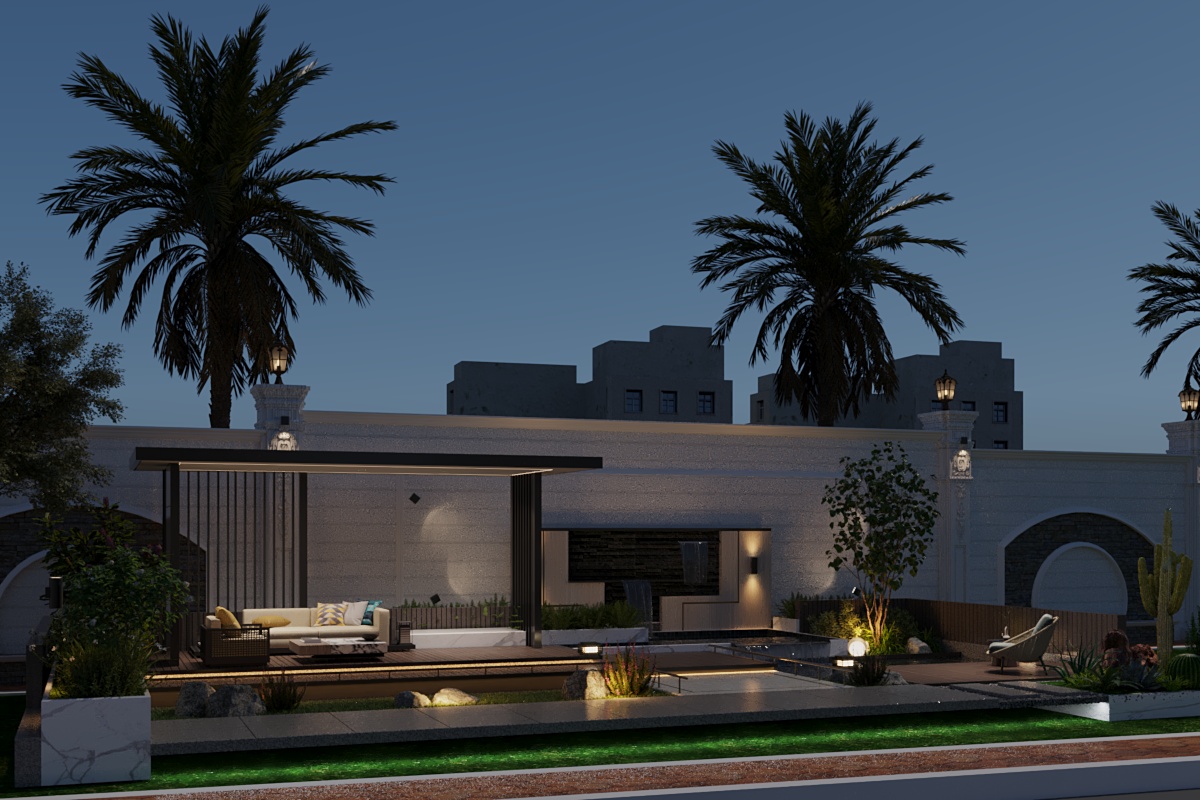
El Helw Architects Designs
Why Is a Villa Different from Any Other Luxury Property?
When people discuss real estate investment, they often focus on the current purchase price or the expected future selling price.
For a villa, however, the investment is more complex.
You are not buying only a built area.
You are buying:
-
Land.
-
Location.
-
Architectural planning.
-
Privacy.
-
Indoor and outdoor spaces.
-
Structural quality.
-
Building systems.
-
Construction quality.
-
Lifestyle value.
-
Rental potential.
-
Resale potential.
This is why we believe:
The investment value of a luxury villa begins with the land, not the façade.
At Elhelw Architects Designs, we do not approach villa design as a process of simply creating an attractive building. We begin by studying the land, site conditions, orientation, surrounding buildings, sun, wind, privacy, views, circulation, and landscape opportunities.
The architecture is then developed as part of a larger system that includes interiors, landscape, construction, and engineering supervision.
Is a Luxury Villa a Good Investment?
It can be, but not simply because it is luxurious or located in a well-known area.
A villa becomes a stronger investment when four fundamental conditions are present:
-
The location has genuine demand.
-
The land has strong development potential.
-
The architectural design serves a clear target user.
-
The total development cost is proportional to the value created.
Other factors then strengthen the investment, including:
-
Construction quality.
-
Privacy.
-
Views.
-
Landscape design.
-
Swimming pool integration.
-
Operating efficiency.
-
Maintenance.
-
Rental demand.
-
Resale flexibility.
For this reason, a villa should not be evaluated through expected appreciation alone.
A stronger analysis considers several scenarios:
Primary Residence + Rental + Resale + Long-Term Ownership
The more viable uses an asset has, the less dependent it becomes on a single investment strategy.
From concept to buildable plans
How Can a Luxury Villa Generate Investment Returns?
There are several ways to evaluate the return generated by a luxury villa.
1. Capital Appreciation
If the value of the land and property increases over time, the investor may achieve a capital gain when the property is sold.
However, not every villa appreciates at the same rate.
Factors such as:
-
Location.
-
Demand.
-
Supply.
-
Land quality.
-
Architecture.
-
Construction quality.
-
Market conditions.
-
Purchase timing.
-
Selling timing.
can all affect the final outcome.
2. Rental Income
A luxury villa can generate recurring income through rental activity.
However, investors should distinguish between:
Gross Rental Yield
and
Net Rental Yield
Gross rental yield looks at rental income before operating expenses.
Net rental yield considers costs such as:
-
Maintenance.
-
Property management.
-
Landscaping.
-
Swimming pool maintenance.
-
Utilities.
-
Vacancy periods.
-
Furniture replacement.
-
Repairs.
-
Operating expenses.
Therefore:
A high rental income does not automatically mean a high investment return.
3. Resale Value
Not every villa is purchased primarily for rental income.
Some investors purchase a villa intending to hold the asset for several years and then sell it.
In that scenario, resale flexibility becomes one of the most important design considerations.
A villa that is easier to resell is often not the one with the most decoration.
It is the one with:
-
A strong location.
-
Good land.
-
Efficient planning.
-
Privacy.
-
Quality construction.
-
Practical spaces.
-
Manageable maintenance.
-
Flexible use.
-
Broad market appeal.
How Do You Calculate the Rental Yield of a Villa?
The basic formula is:
Gross Rental Yield = Annual Gross Rent ÷ Total Investment × 100
For net rental yield:
Net Rental Yield = Net Annual Rental Income ÷ Total Investment × 100
The important point is that Total Investment should reflect the actual capital committed to the asset—not simply the purchase price or construction cost.
Depending on the project, this may include:
-
Land.
-
Construction.
-
Finishes.
-
Landscape.
-
Swimming pool.
-
Engineering systems.
-
Furniture.
-
Preparation costs.
-
Additional development expenses.
Illustrative Example
The following example is provided for calculation purposes only and is not a market forecast.
Assume:
| Investment Item | Illustrative Cost |
|---|---|
| Land | EGP 15 million |
| Construction | EGP 8 million |
| Finishes | EGP 4 million |
| Landscape | EGP 1.2 million |
| Swimming Pool | EGP 0.8 million |
| Furniture | EGP 1 million |
| Other Costs | EGP 0.5 million |
| Total Investment | EGP 30.5 million |
Assume annual gross rental income of:
EGP 2.4 million
And hypothetical annual deductions of:
-
EGP 240,000 for vacancy.
-
EGP 450,000 for operating expenses.
-
EGP 250,000 for maintenance.
-
EGP 100,000 for management.
Net annual income would therefore be:
EGP 1.36 million
Approximate gross rental yield:
7.87%
Approximate net rental yield:
4.46%
These figures are illustrative only and should not be interpreted as expected rental yields for Fifth Settlement or any other market.
What Does It Cost to Own a Luxury Villa?
One of the most common investment mistakes is treating the purchase price or construction budget as the final cost.
A villa is an operating asset.
It requires ongoing spending.
Typical ownership costs can include:
| Cost Category | Examples |
|---|---|
| Building Maintenance | Structure, façade, finishes |
| Landscape | Irrigation, planting, trimming |
| Swimming Pool | Cleaning, water treatment, equipment |
| HVAC | Maintenance and energy consumption |
| Electricity | Building and system operation |
| Plumbing | Repairs and maintenance |
| Mechanical Systems | Pumps, control systems, equipment |
| Property Management | Management and rental operations |
This is why Holding Cost should be considered before the investment decision is made.
What Actually Increases the Value of a Luxury Villa?
Not every investment in a villa produces the same level of value.
From an architectural and investment perspective, the major value drivers can be ranked as follows:
-
Location
-
Land Quality
-
Architectural Design
-
Construction Quality
-
Privacy
-
Views
-
Operating Efficiency
-
Landscape
-
Swimming Pool
-
Finishes
This does not mean finishes are unimportant.
It means that spending heavily on finishes cannot compensate for poor land, weak planning, poor privacy, or an unsuitable location.
What May Not Increase a Villa's Value Despite High Spending?
This is one of the most important points for investors.
Large amounts of money can be spent on:
-
Highly personalized marble.
-
Excessive ornamentation.
-
Extremely complicated façades.
-
Oversized swimming pools.
-
Oversized rooms with limited practical use.
-
Complex systems that are difficult to maintain.
-
Highly personalized finishes.
-
Expensive materials that are difficult to replace.
-
Poorly planned service areas.
Yet higher construction cost does not automatically create higher property value.
Good investment is not about spending more; it is about spending where cost becomes value.
What Is the Best Villa Size for Investment?
There is no single ideal villa size for every investment.
The appropriate size depends on the balance between:
-
Land area.
-
Built-up area.
-
Number of bedrooms.
-
Living spaces.
-
Service areas.
-
Garden.
-
Swimming pool.
-
Privacy.
-
Target user.
-
Construction cost.
-
Operating cost.
In some cases, a smaller, more efficient villa can be a better investment than a significantly larger villa containing unused spaces.
A larger villa is not necessarily a more valuable villa; efficient space can create stronger long-term value.
Does a Swimming Pool Increase Villa Value?
A swimming pool can increase the appeal and perceived value of a villa in certain markets and buyer segments, but it does not guarantee that its construction cost will be recovered at resale.
The pool should be integrated with:
-
The landscape.
-
Terrace.
-
Outdoor living.
-
Indoor living spaces.
-
Privacy.
-
Site circulation.
Rather than adding a pool at the end of the project, it should be considered as part of:
Pool → Terrace → Garden → Living Spaces
This creates a coherent outdoor living experience rather than an isolated feature.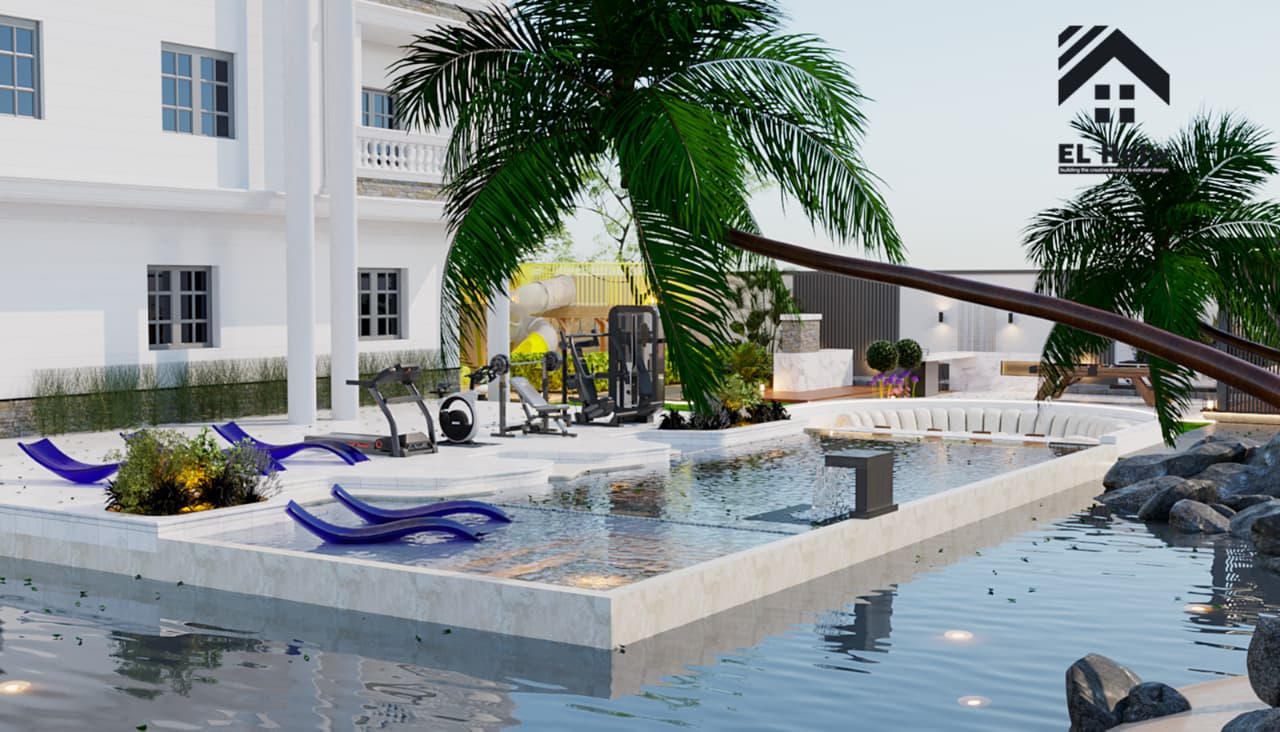
Does Architectural Design Increase Property Value?
Yes—when architecture improves functionality, privacy, natural light, ventilation, space efficiency, maintenance, and resale flexibility.
Good architectural design affects:
-
Space planning.
-
Circulation.
-
Natural lighting.
-
Ventilation.
-
Privacy.
-
Indoor-outdoor relationships.
-
Land efficiency.
-
Flexibility.
-
Maintenance.
Architecture therefore should not be viewed as a decorative layer placed on top of a real estate asset.
Architecture is part of the economic value of the property.
Luxury Villa Investment Scorecard
To help evaluate a villa from several perspectives, we can use the following analytical framework:
| Factor | Weight |
|---|---|
| Location | 25% |
| Land Potential | 15% |
| Architectural Design | 15% |
| Construction Quality | 15% |
| Privacy & Views | 10% |
| Operating Efficiency | 10% |
| Landscape & Outdoor Living | 5% |
| Resale Flexibility | 5% |
| Total | 100% |
Each factor can be rated from 1 to 10.
The overall score can then be calculated as:
Investment Score = Σ (Factor Score × Weight)
This is an analytical framework developed for this article, not an official financial index or certified real estate valuation methodology.
Should You Buy Land, a Ready Villa, or Build from Scratch?
| Option | Main Advantage | Main Challenge |
|---|---|---|
| Land | Maximum design flexibility | Development risk and time |
| Ready Villa | You can inspect the existing asset | Hidden defects or unsuitable design |
| Under-Construction Villa | Potential to influence development | Execution and timing risk |
| Custom-Built Villa | Maximum control over the final asset | Requires strong engineering management |
If the land is excellent but the existing building is poor, the land may represent the stronger part of the asset.
If an existing villa has a strong location and good construction but requires redesign, acquisition plus architectural redevelopment may be more appropriate.
The correct decision depends on the investment strategy—not simply the purchase price.
Fifth Settlement vs. Sheikh Zayed vs. North Coast vs. Alexandria vs. Dubai
There is no universal answer to the question:
“Where is the best place to invest in a luxury villa?”
The answer depends on:
-
Investment objective.
-
Holding period.
-
Target user.
-
Rental strategy.
-
Resale strategy.
-
Capital available.
-
Desired liquidity.
-
Property type.
Fifth Settlement and New Cairo are major residential markets within Greater Cairo.
Sheikh Zayed has a different urban and residential character.
The North Coast has a stronger second-home and seasonal component.
Alexandria has its own residential, coastal, and local-demand characteristics.
Dubai represents a more globally oriented luxury real estate market with a different buyer profile and investment environment.
Therefore, saying that one location is universally “the best” without defining the investment strategy can be misleading.
What Are the Most Important Villa Resale Factors?
The most important resale factors are a strong location, good land, practical planning, privacy, quality construction, manageable maintenance, and flexible use.
Other important factors include:
-
Appropriate bedroom distribution.
-
Good indoor-outdoor relationships.
-
High-quality but maintainable materials.
-
Functional landscape.
-
Well-integrated pool.
-
Efficient building systems.
-
Avoiding excessive personalization.
A villa designed entirely around one owner's personal taste may become harder to sell to a broader market.
The more adaptable the property is to different users, the greater its potential resale flexibility.
Can a Luxury Villa Be Built in Phases?
Yes, provided the entire project is planned for phased development from the beginning.
The original design should anticipate:
-
Final structural requirements.
-
Future service routes.
-
Expansion zones.
-
Finishing phases.
-
Landscape phases.
-
Equipment and system requirements.
This allows the owner to delay certain elements without creating unnecessary demolition, rework, or additional construction costs.
Case Studies: What Can We Learn from Real Projects?
Qasr Al Ghoul
The challenge involved an existing building with relatively simple façades that did not fully reflect the value or identity expected from the project.
The solution was not simply to change the façade color.
The project required a broader architectural approach involving façade redevelopment, architectural identity, and consultation related to surrounding land and the wider site context.
Investment lesson:
The value of a property is not always contained within the building itself. Sometimes it comes from rethinking the relationship between the building, the land, and its surroundings.
Sheikh Ali Hamdy Palace – El Helw
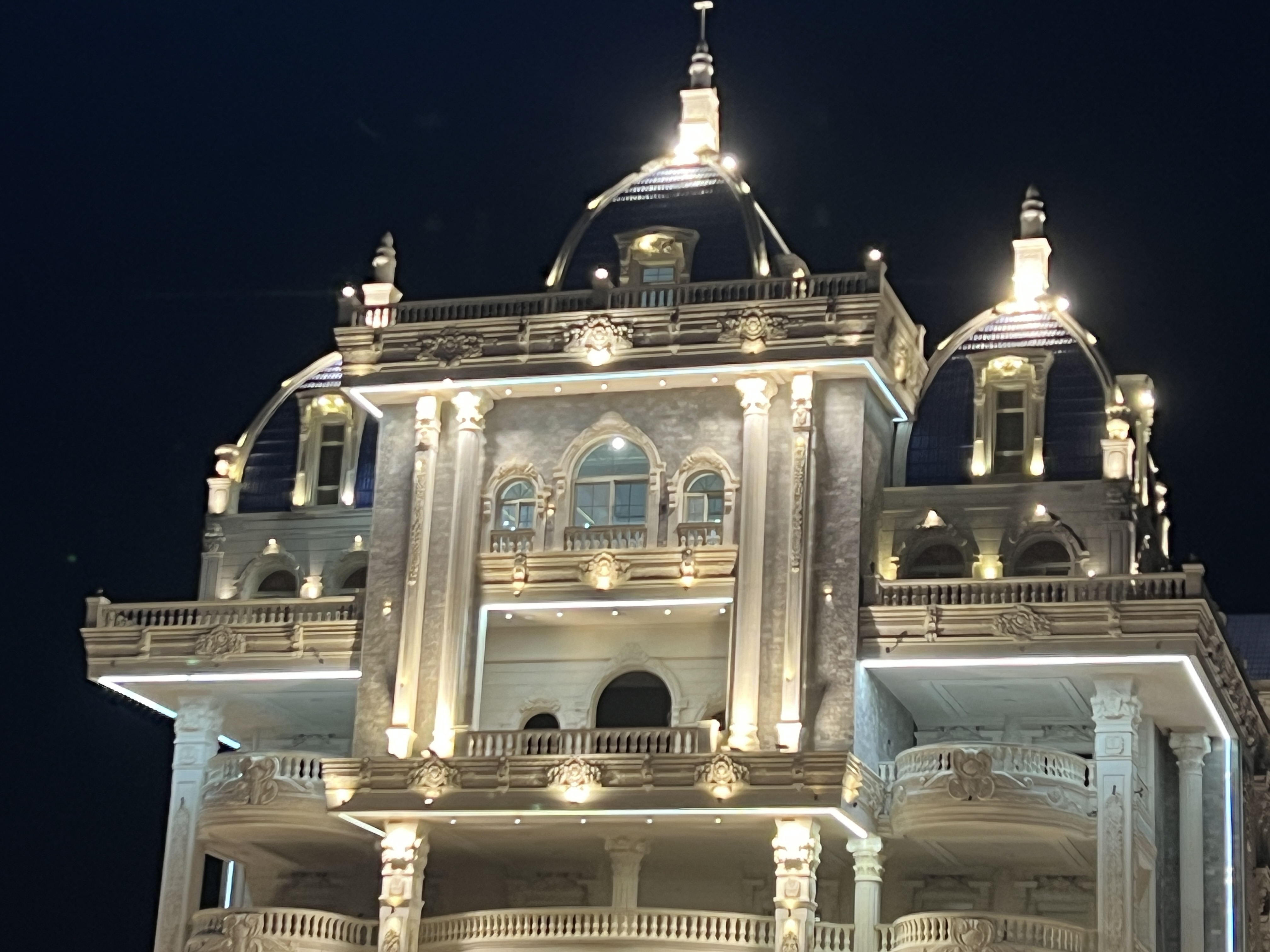
This project demonstrates the importance of treating the façade as an integrated system involving:
-
Architectural massing.
-
Architectural elements.
-
Materials.
-
Lighting.
-
Landscape relationship.
Investment lesson:
The façade, landscape, and exterior lighting should work as one architectural system.
Sheikh Ali Hamdy Palace – El Helw
10 Mistakes That Can Weaken a Villa Investment
1. Buying Based Only on Price
A lower purchase price does not automatically mean a better investment.
2. Being Impressed by the Façade
An attractive façade cannot compensate for poor planning.
3. Ignoring the Land
The land is the foundation of the asset.
4. Ignoring Privacy
Privacy is one of the most important qualities in luxury residential property.
5. Overbuilding
Unused space can become a long-term operating and construction cost.
6. Overspending on Finishes
The most expensive material is not necessarily the best investment.
7. Ignoring Operating Costs
Pools, landscaping, HVAC systems, and mechanical equipment require continuous maintenance.
8. Calculating Gross Instead of Net Yield
Gross rental income is not the same as net investment return.
9. Designing for One Owner Only
Excessive personalization can reduce the future buyer pool.
10. Building Without Proper Engineering Supervision
Poor execution can reduce the value of an otherwise excellent design.
How Should Architecture and Investment Be Connected from Day One?
At Elhelw Architects Designs, we connect:
Architecture → Interior Design → Landscape → Construction → Engineering Supervision
rather than treating each stage as an isolated service.
The process begins with:
-
Understanding the client's objective.
-
Studying the land.
-
Analyzing the site.
-
Identifying the target user.
-
Developing the architectural concept.
-
Developing the architectural plans.
-
Designing the façades.
-
Coordinating interior design.
-
Integrating landscape and swimming pool design.
-
Preparing execution drawings.
-
Developing quantities and specifications.
-
Executing or supervising the project according to the agreed scope.
This integrated approach is particularly important for luxury villas because decisions made during architecture directly influence construction cost, maintenance, usability, and future marketability.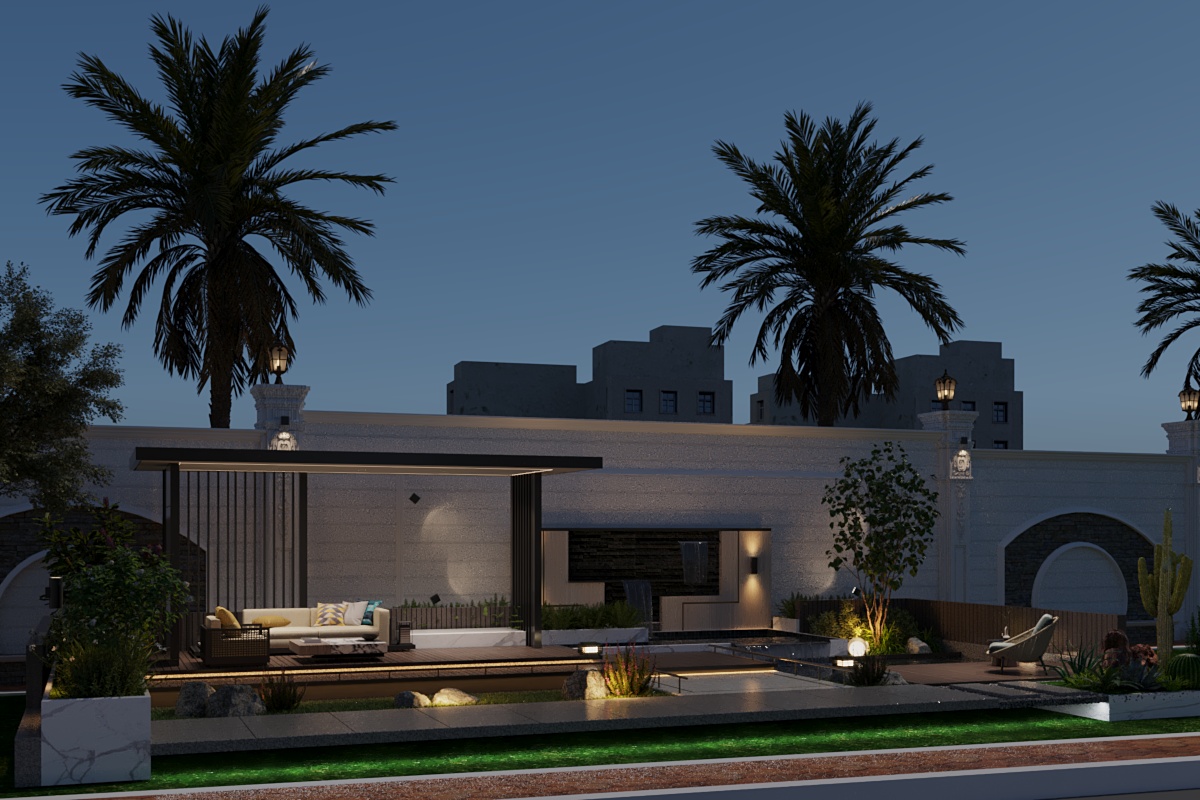
Interior Design and Its Impact on Investment Value
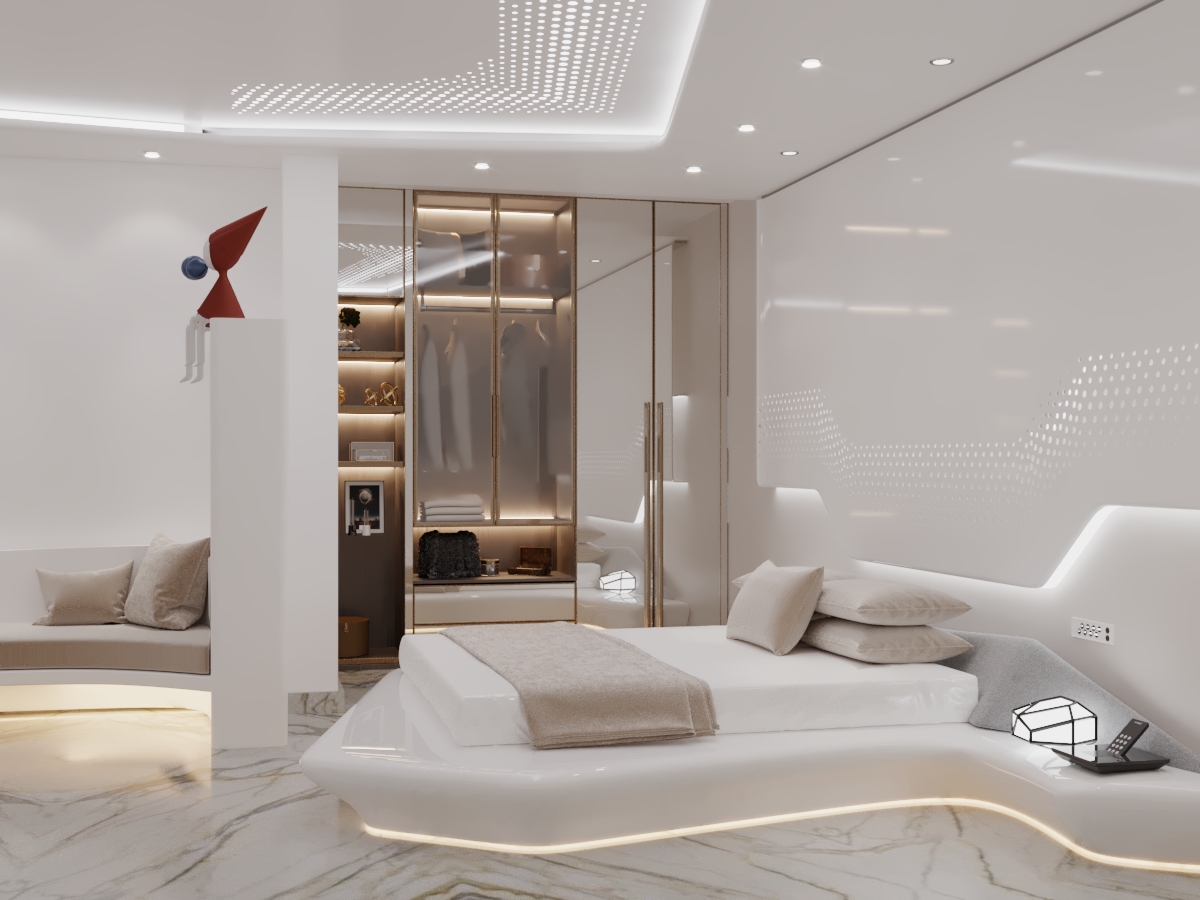
The value of a luxury villa is not determined by its exterior architecture alone. Interior design can directly influence the quality of daily use, the buyer’s first impression, rental appeal, and the property’s potential resale value. For this reason, interior design should be treated as an extension of the architectural concept rather than as a separate stage that begins after construction is complete.
In an investment-oriented villa, the priority should be to balance luxury with functionality. Clear spatial organization, comfortable circulation, natural lighting, high-quality materials, and visual consistency between spaces all contribute to creating long-term property value.
Finishes should also be selected carefully. Higher spending does not automatically mean higher investment value. Highly personalized finishes or interiors based heavily on a specific personal taste may suit the current owner perfectly, but they can reduce the pool of potential buyers when the property is eventually resold.
For investment properties, a sophisticated but flexible interior design is generally more practical. It should allow future owners or tenants to adapt the spaces to their needs while maintaining a high standard of quality and visual identity.
An important investment principle:
Luxury that can be used, enjoyed, and marketed easily is often more valuable than luxury based solely on high spending.
Interior design should therefore be coordinated with architecture, landscape, and engineering systems from the early stages of the project rather than treated as a decorative addition at the end of construction.
Interior & Exterior Design
Luxury Palace Design as a Long-Term Real Estate Asset
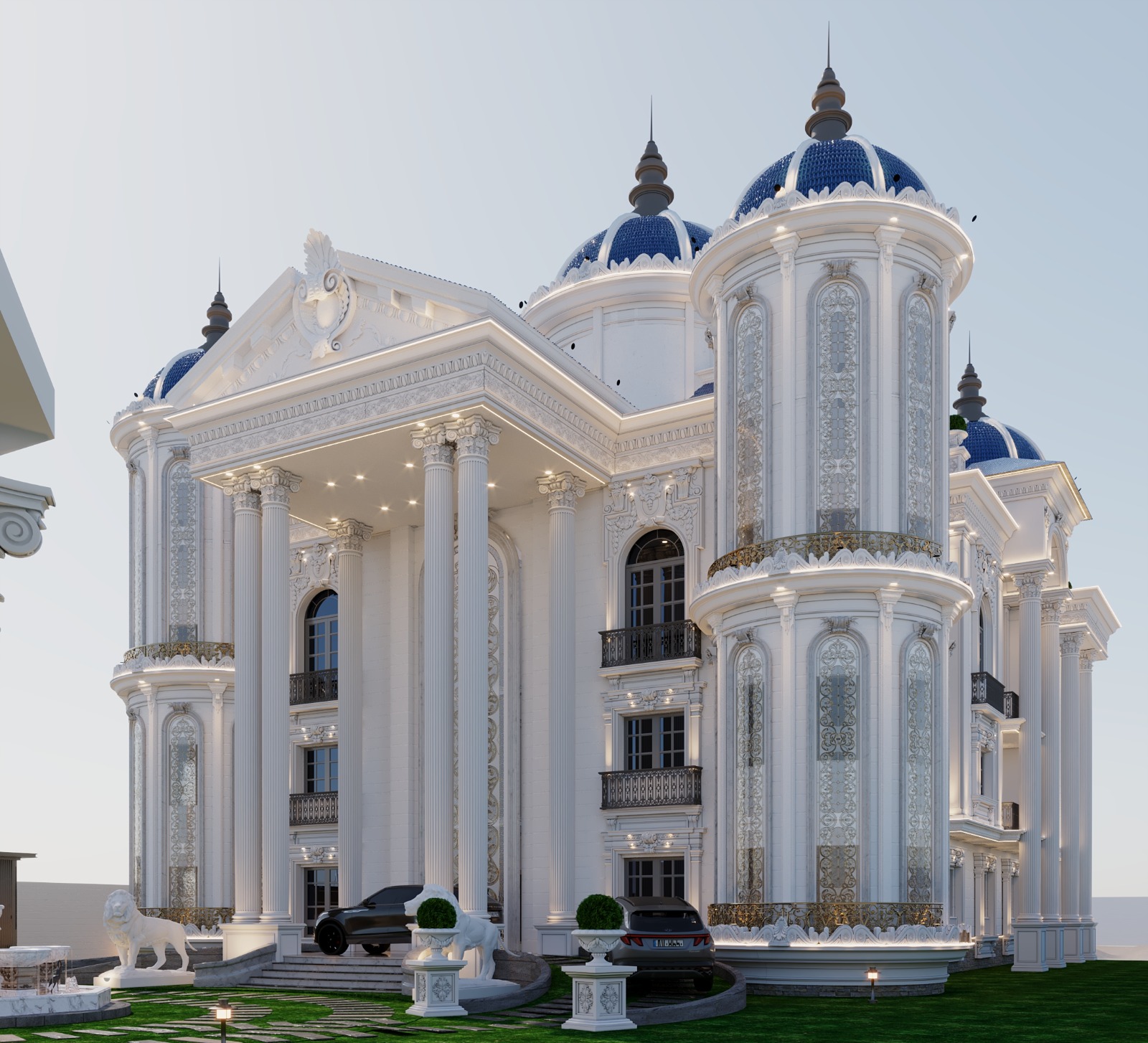
When moving from the concept of a luxury villa to a palace, architectural decisions become more complex because a larger property does not automatically create higher investment value. A successful luxury palace should transform its larger footprint into a coherent experience that combines privacy, functionality, hospitality, views, outdoor spaces, and efficient operation and maintenance.
The design of an investment-oriented palace should begin with an understanding of the land and its surroundings, followed by a clear relationship between entrances, circulation, gardens, private areas, guest spaces, and service zones. As the size of the project increases, spatial organization becomes even more important because poorly planned areas can create large spaces with limited practical use while increasing long-term operating and maintenance costs.
The architectural character should also remain visually and functionally relevant over time. Facades that depend heavily on short-lived trends or spaces that are excessively personalized may become less appealing to certain buyers as market preferences change.
From an investment perspective, the objective should not be to build the largest palace possible. Instead, the goal should be to create the highest possible value from the land and built area.
This requires architecture, structural engineering, interior finishes, landscape design, swimming pools, and electromechanical systems to be coordinated from the beginning. Late additions and design changes can otherwise create unnecessary costs and compromise the original concept.
Elhelw Expert Advice:
The most successful investment palace is not necessarily the largest one. It is the one that converts its land, architecture, and spaces into practical, desirable, and marketable long-term value.
Luxury Palace Design in Egypt
Site Analysis: The Investment Decision That Comes Before Design
Before drawing the facade or deciding how many bedrooms a villa should have, the land itself must be understood. A site is not simply an address for the property; it is one of the most important factors determining the project’s potential, construction requirements, and future value.
Site analysis begins with understanding the plot dimensions, boundaries, orientation, and surrounding context. It then considers the topography, access roads, views, privacy, sun exposure, prevailing winds, and neighboring properties. In some locations, soil investigation, groundwater levels, and site elevations can become critical factors in determining the structural solution and construction cost.
The relationship between the villa and its outdoor spaces should also be studied at this stage. The position of the building affects the location of gardens, swimming pools, outdoor seating areas, entrances, parking, and service zones. Moving the building after construction has started can result in additional costs and architectural compromises that are difficult to correct later.
What Should Be Analyzed Before Design?
| Factor | Impact on the Project |
|---|---|
| Plot dimensions | Determine the possibilities for building and outdoor-space organization |
| Solar orientation | Influences facade design and the distribution of interior spaces |
| Views | Can increase the value of major living spaces |
| Privacy | Influences openings, setbacks, landscaping, and spatial planning |
| Site levels | Affect excavation, drainage, and building design |
| Soil conditions | Influence structural solutions and construction costs |
| Groundwater | May affect excavation, waterproofing, concrete design, and dewatering requirements |
| Access | Influences entrances, circulation, parking, and service movement |
| Surrounding properties | Affect privacy, views, and future property appeal |
This leads to a fundamental principle:
The investment value of a luxury villa begins with the land, not the facade.
The earlier these decisions are made, the easier it becomes to control costs, improve spatial efficiency, and reduce costly changes during construction.
El Helw Architects – التصميم الهندسي المتكامل
Construction Quality and Its Impact on Investment Value
Once the site and design decisions have been established, the project enters the stage where the architectural vision becomes a real property: construction. At this point, construction quality is not simply an aesthetic concern. It directly affects the building’s durability, operating costs, maintenance requirements, and ability to retain its value over time.
A strong architectural design can still lose value if it is poorly executed. Construction should therefore begin with coordinated engineering drawings, clear specifications, a detailed Bill of Quantities (BOQ), a realistic schedule, and a defined process for inspecting and testing the work.
Key Construction Elements That Affect Villa Value
| Element | Impact on Value |
|---|---|
| Structural works | Affect safety, durability, and the building’s long-term performance |
| Waterproofing | Reduces the risk of moisture, leakage, and expensive repairs |
| MEP systems | Influence operating efficiency and maintenance |
| Finishes | Affect appearance, durability, and user experience |
| Doors and windows | Influence insulation, security, and energy performance |
| Landscape | Enhances the quality and usability of outdoor spaces |
| Swimming pool | Requires proper structural, waterproofing, and operating systems |
| Service rooms | Make maintenance and equipment access easier |
| Testing and commissioning | Help identify problems before final handover |
Construction supervision should not focus only on the final appearance. Many of the most expensive problems in luxury villas develop within elements that become hidden after finishing, including waterproofing, plumbing, drainage, electrical installations, air-conditioning systems, and swimming-pool infrastructure.
This is why engineering supervision during construction is essential. It helps verify that work is being executed according to the approved drawings and specifications, while allowing critical stages to be inspected before they are covered and difficult to access.
The Lowest Construction Price Is Not Always the Best Investment
One of the most common mistakes is treating the contractor’s initial price as the total cost of the project. A low initial quotation may appear attractive, but poor execution can later result in higher maintenance costs, rework, finishing problems, delays, or defects that negatively affect resale value.
The contractor and construction system should therefore be evaluated according to quality, experience, specifications, testing, warranty, schedule control, and compliance with the approved design, rather than price alone.
Elhelw Expert Advice:
In an investment-oriented villa, some of the elements that matter most cannot be seen in the final photographs. Structural quality, waterproofing, MEP systems, and disciplined execution may not be immediately visible to a buyer, but they influence the property’s durability, operating costs, and ability to retain its value.
For this reason, architecture, construction, and engineering supervision should operate as one integrated process, beginning with site analysis and continuing through testing, commissioning, and final handover.
| El Helw – From Design to Delivery |
Why Does an Investor Need an Engineering Partner?
An investor does not simply need someone who can draw an attractive façade.
The investor needs a team that understands:
Land + Architecture + Cost + Construction + Maintenance + Future Value
This is the role we aim to provide at Elhelw Architects Designs.
The company works across architectural design, interior and exterior finishing, structural design, villa and palace projects, construction, project management, and engineering supervision, with more than 18 years of accumulated experience.
Our experience also extends across Egypt and the UAE, including luxury residential projects in Dubai, where architectural decisions must respond to different climatic, environmental, regulatory, and urban conditions.
Frequently Asked Questions
Is a luxury villa a good investment?
Yes, it can be a good investment when the location, land, design, construction quality, operating costs, and resale potential are properly evaluated. Luxury alone does not guarantee appreciation or rental returns.
How much does it cost to build an investment villa?
There is no single construction cost that applies to every villa. The final budget depends on land conditions, built-up area, structural system, finishing level, façade, landscape, swimming pool, MEP systems, and additional requirements. A quantity-based cost assessment should therefore be prepared before finalizing the design.
Is it better to buy land or a ready-made villa?
The better option depends on your investment strategy, budget, timeframe, and risk tolerance. Land provides greater architectural flexibility, while a ready villa allows the buyer to inspect an existing asset before purchase.
Does architectural design increase property value?
Yes, when the design improves functionality, privacy, natural light, ventilation, space efficiency, maintenance, and resale flexibility. A beautiful appearance alone does not guarantee a corresponding increase in value.
What is the best size for an investment villa?
There is no universal ideal size. The right size balances land area, built-up area, bedrooms, outdoor spaces, privacy, target users, construction cost, and operating expenses.
Does a swimming pool increase villa value?
It can increase the property's appeal and value in some markets, but it does not guarantee recovery of its construction cost at resale. The pool is most valuable when it is integrated into the overall landscape and outdoor-living design.
What are the most important villa resale factors?
Location, land quality, practical planning, privacy, construction quality, property condition, maintenance, and flexibility of use are among the most important factors.
Can a villa be built in phases?
Yes, provided phased development is considered in the original architectural and engineering design. Future expansion, services, structure, landscape, and finishing should all be planned from the beginning.
How do I calculate villa rental yield?
Divide net annual rental income by total invested capital. Operating expenses, maintenance, vacancy, management, and other ownership costs should be deducted before calculating the net yield.
How much does it cost to maintain a luxury villa?
Maintenance costs vary according to the villa's size, systems, landscape, swimming pool, HVAC equipment, finishes, and level of operation. These costs should be included in the investment analysis from the beginning.
People Also Ask: Additional Villa Investment Questions
Are villas better than apartments for investment?
Not necessarily. Villas may offer land, privacy, outdoor spaces, and stronger lifestyle value, while apartments may require less capital and can appeal to a broader rental market in certain locations.
Are villas riskier investments than apartments?
They can involve higher capital requirements, maintenance costs, and management requirements. Their buyer and tenant pool may also be narrower, so liquidity should be considered carefully.
Do villas appreciate more than apartments?
There is no universal rule. Appreciation depends on location, supply and demand, property quality, land value, market conditions, and the timing of purchase and sale.
Is it better to buy a ready villa or build one?
Building from scratch provides greater control over the final asset, while buying a ready villa allows the investor to inspect an existing property before committing. The right choice depends on the project's objectives and risk profile.
What makes a villa a successful investment?
A successful villa investment generally combines strong location, valuable land, functional architecture, controlled development cost, good construction quality, manageable operating expenses, and realistic rental or resale potential.
Does a luxury façade increase villa value?
It can increase market appeal, but its impact is strongest when it forms part of a complete architectural system that also provides good planning, privacy, quality construction, and maintainability.
Conclusion: Do Not Just Buy a Villa
Fifth Settlement remains an important luxury residential market within New Cairo, but a successful villa investment does not begin with the area's name or the appearance of the façade.
It begins with:
Land → Location → User → Architecture → Cost → Construction → Operation → Resale
The principle we follow when designing luxury villas and palaces is simple:
Do not just buy a villa; invest in a real estate asset with a purpose, value, and exit strategy.
When designing a villa, we should not ask only:
How will it look on completion day?
We should also ask:
How will it perform five or ten years from now?
Will it remain comfortable?
Will it be easy to maintain?
Can it be rented?
Can it be resold?
Does every square meter serve a purpose?
This is where a villa becomes more than a luxury building.
It becomes a carefully designed real estate asset.
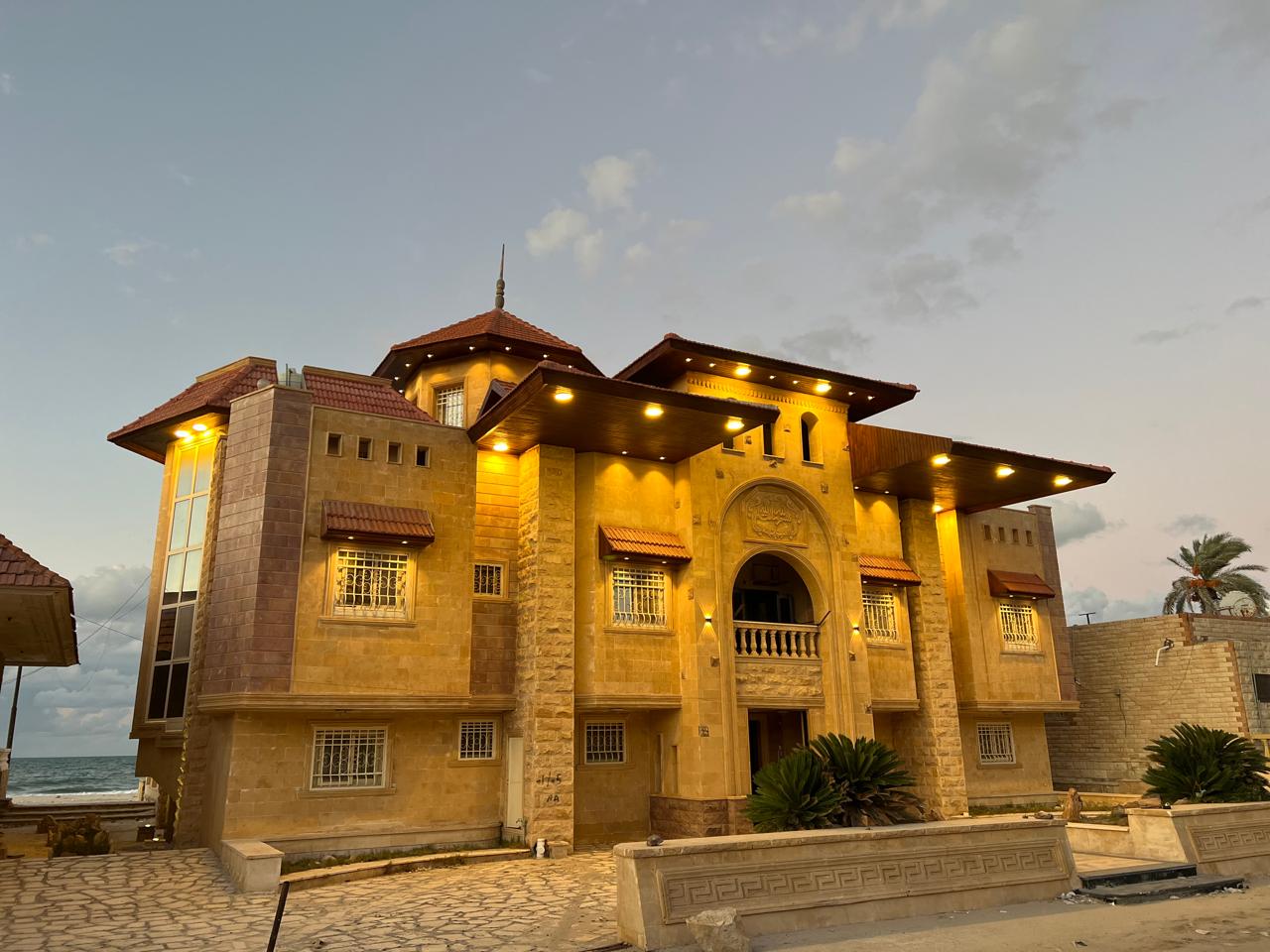
The investment value of a luxury villa is not created by price alone. It is created by location, architecture, construction quality, and the property's ability to serve real users for years.
Architectural Investment Consultation
If you own land and are considering building a luxury villa for either private use or investment, we can study the site, architectural potential, expected development requirements, cost structure, and resale potential before detailed design begins.
At Elhelw Architects Designs, we do not see ourselves as simply a design office. We act as an engineering and architectural partner, helping transform land, requirements, and budget into a complete real estate asset.
The project can begin with:
Site Analysis → Architectural Concept → Interior Design → Landscape → Cost Planning → Construction → Engineering Supervision
The objective is not simply to deliver a beautiful villa.
It is to create a villa that is architecturally considered, technically sound, operationally manageable, and positioned for long-term use and investment value.
Elhelw Architects Designs
Architectural Design | Luxury Villas & Palaces | Interior Design | Landscape | Construction | Engineering Supervision
This article provides general architectural and real estate analysis and does not constitute financial advice or a guarantee of investment returns. Actual outcomes vary according to location, market conditions, purchase timing, development costs, demand, financing, and the characteristics of each individual property.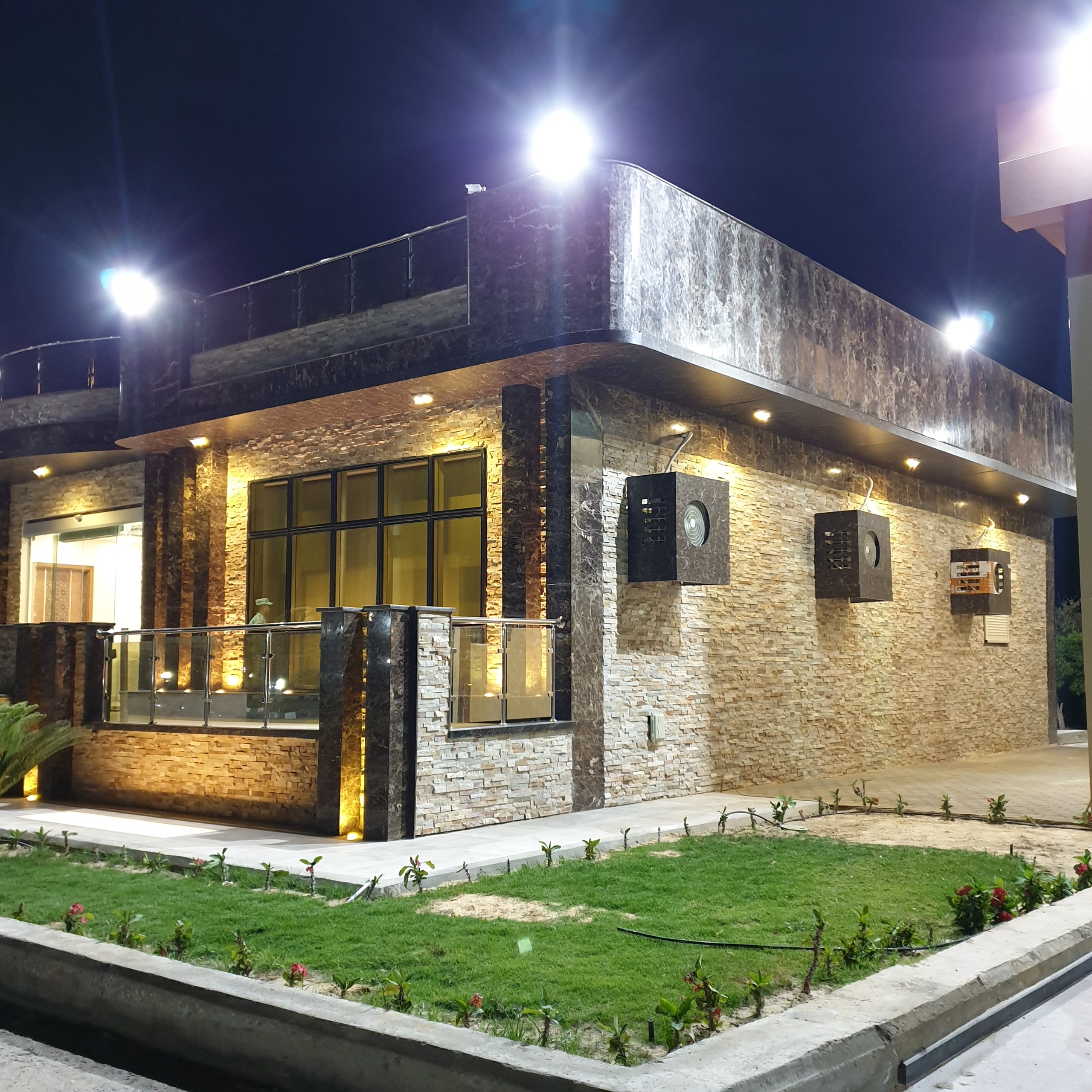 Completed luxury villa architecture in Egypt