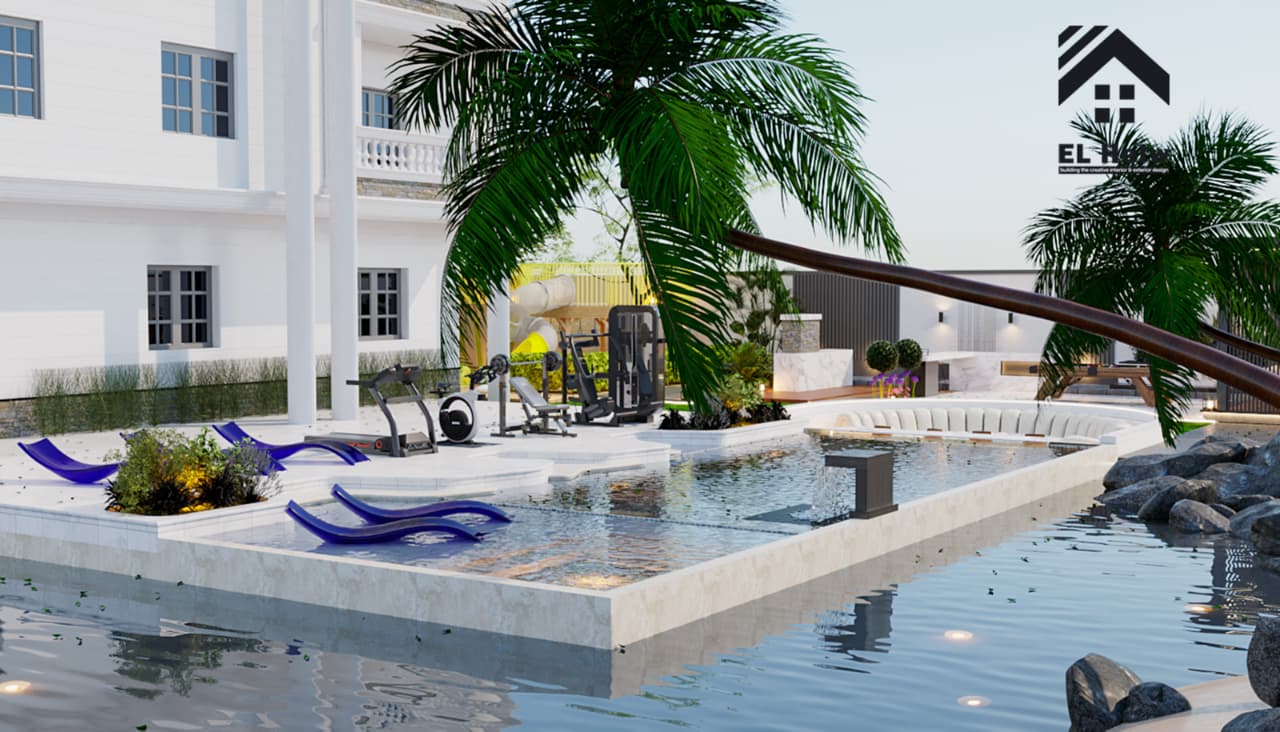
Luxury Villa Garden Design: The Ultimate Guide from Concept to Professional Execution
A luxury villa garden is the natural, artistic extension of indoor architecture—it is the first impression that reflects the owner’s refined taste and the designer’s engineering vision. Drawing from over 18 years of experience in executing high-end villas and palaces, we emphasize that modern garden design goes far beyond the random planting of trees and shrubs. Instead, it has evolved into a comprehensive, hierarchical science combining Landscape Architecture, wind and sun path analysis, spatial mass distribution, architectural lighting, and smart irrigation technologies.
In this comprehensive guide—optimized specifically to top Google search results based on the latest SEO standards and E-E-A-T (Experience, Expertise, Authoritativeness, and Trustworthiness) algorithms—we take you on a professional engineering journey from the initial planning step to the final handover of your ideal garden.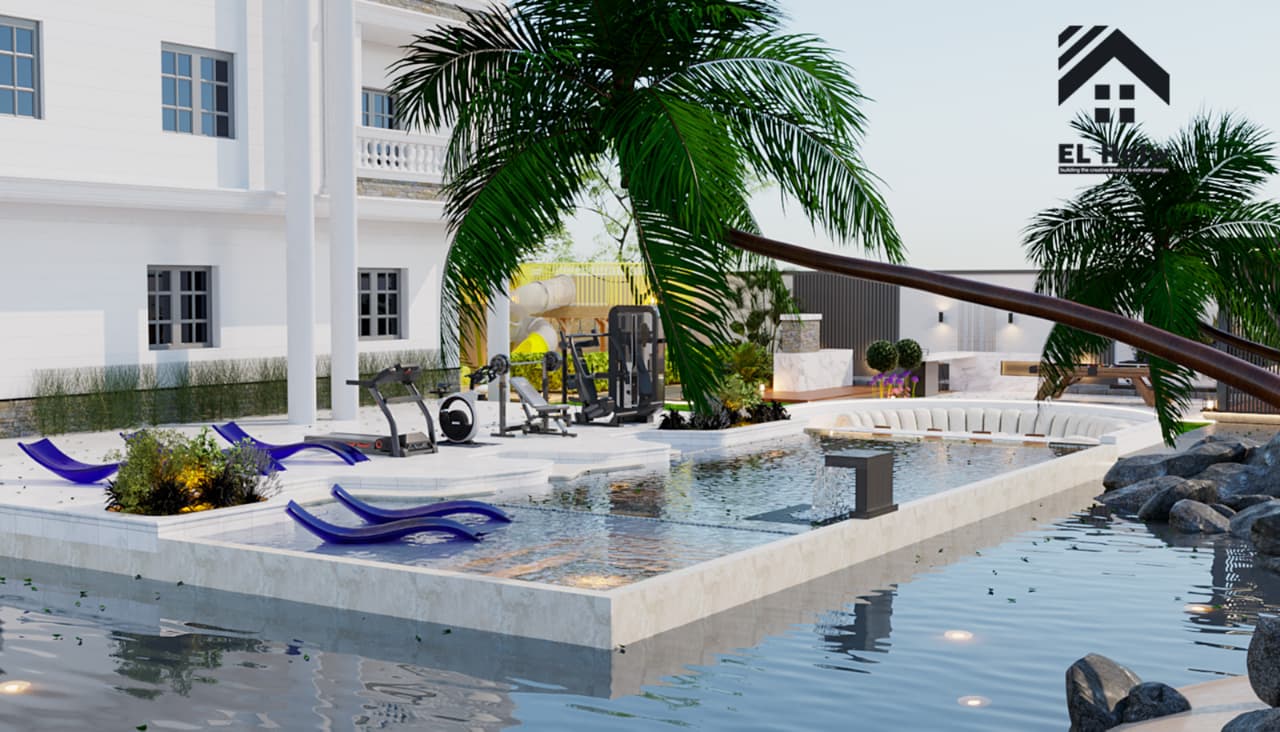
I. Engineering Foundations & Spatial Zoning (Zoning & Master Planning)
The success of any luxury landscape design begins with precise strategic planning and zoning. In our projects, we divide the garden area into several core sectors that serve the family's lifestyle and achieve an ideal balance between function and beauty:
-
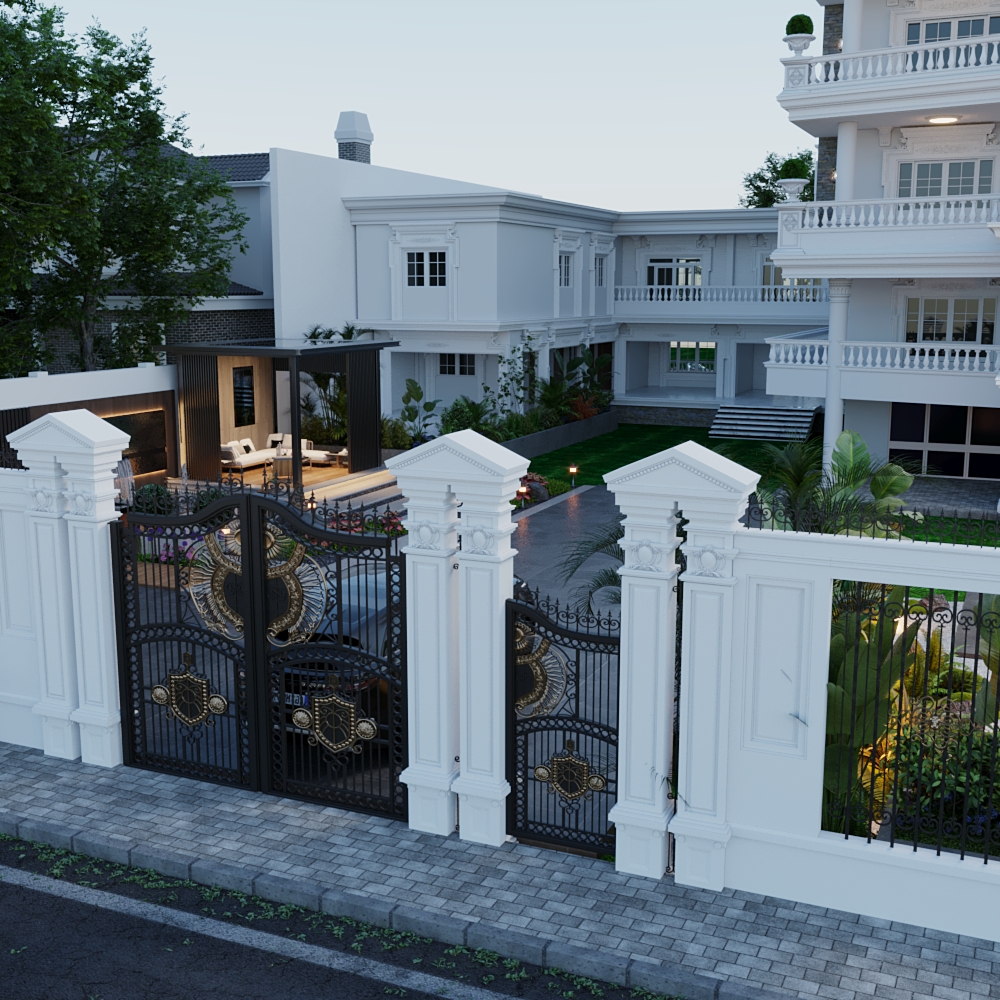
The Arrival Zone: The primary façade and welcome area of the villa, characterized by understated luxury and clear architectural lines that welcome visitors, complemented by light-scented plants and path-defining trees.
-
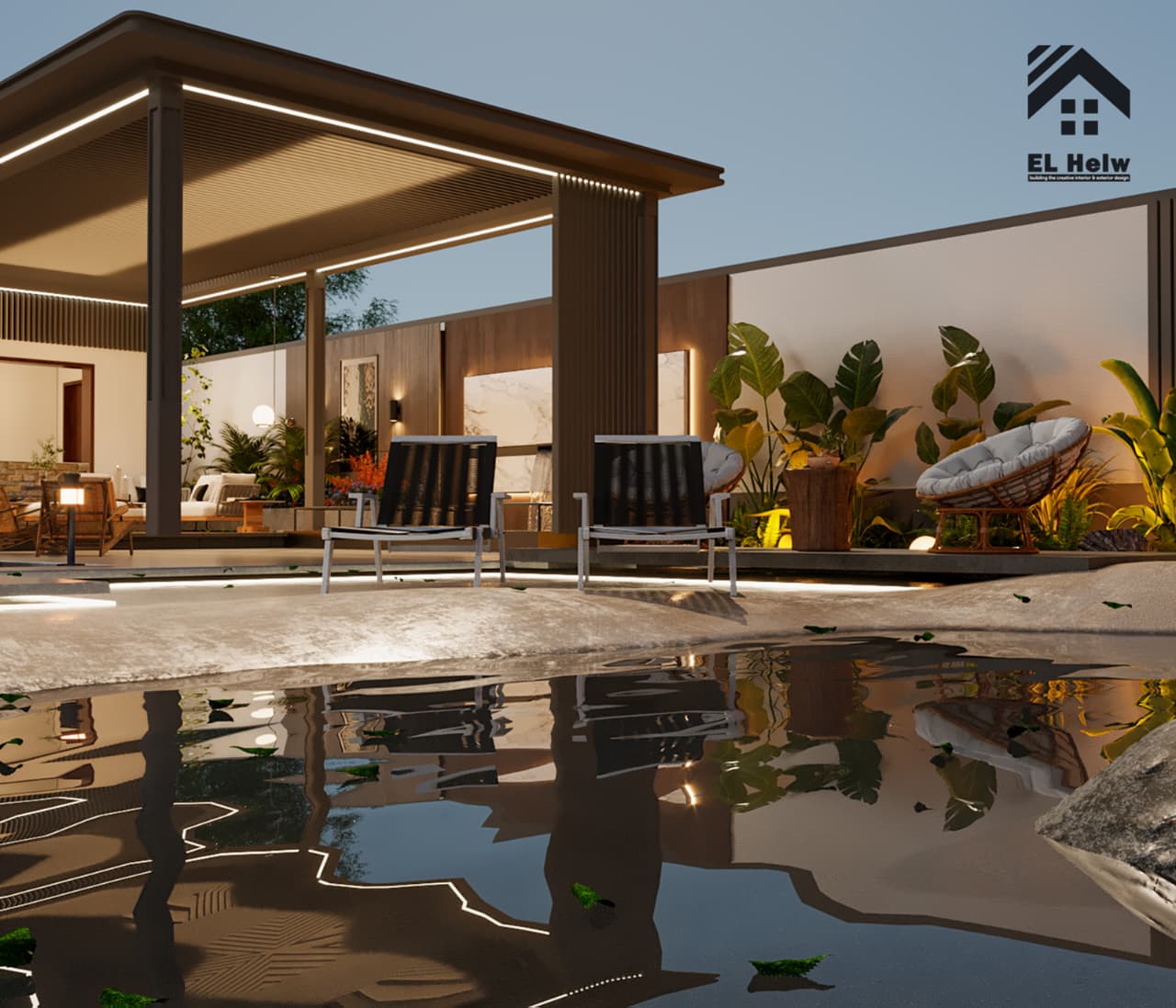
The Outdoor Living & Entertainment Zone: Typically linked directly to the grand living room or outdoor kitchen, featuring shaded pergolas, upscale barbecue areas, and potentially infinity pools or decorative water features.
-
The Serenity & Private Zone: Positioned in the rear or side of the villa, featuring quiet walking paths, meditation benches, and dense aromatic plants to provide visual and acoustic isolation from the outside environment.
-
Service & Kitchen Garden: A concealed space dedicated to garden maintenance, pump rooms, and a small organic corner for fresh herbs and vegetables.
II. Comprehensive Comparison of Luxury Garden Styles
To choose the architectural style that best suits your villa, the following detailed comparison table outlines the technical characteristics and pros/cons of each approach based on our engineering practices:
| Garden Style | Main Architectural Characteristics | Plants Used | Pros & Cons |
| Modern Minimalist | Sharp geometric lines, exposed concrete, treated wood, glass, and sharp-edged water features. | Geometrically shaped plants like fan palms, large cacti, and precisely trimmed hedges. |
Pros: Contemporary luxury, easy maintenance. Cons: Requires extremely high precision during execution. |
| Classical / Formal | Axial symmetry, central fountains, classical stone-paved walkways, and sculptures. | Topiary-trimmed trees, aromatic roses, and dense hedges (e.g., boxwood). |
Pros: Timeless royal luxury. Cons: High cost and intensive routine maintenance. |
| Naturalistic / English | Mimics wild nature, winding pathways, free-form water bodies, and natural rock placements. | Diverse collections of wildflowers, deciduous trees, and wispy ornamental grasses. |
Pros: Feeling of relaxation and freedom, high ecological adaptability. Cons: Can look neglected if not regularly maintained. |
| Tropical | High green density, multi-tiered vegetation, water cascades, and dark tropical hardwoods. | Tropical palms, ferns, and large-leafed plants (Monsteras & Bananas). |
Pros: Refreshing environment and humid microclimate. Cons: Consumes large amounts of water. |
III. Hardscape vs. Softscape Elements
A successful garden design relies on a delicate balance between two fundamental elements that we handle with meticulous care:
-
Hardscape: Encompasses all non-living elements such as walkways, boundary walls, pergolas, shading structures, built-in seating areas, ground lighting, and drainage systems. We prioritize high-durability materials resistant to weather fluctuations, such as natural stone, moisture-treated wood, and anti-slip outdoor porcelain.
-
Softscape: Covers all vegetation categories including shade trees, flowering shrubs, lawns, and flower beds. We analyze soil composition, water consumption rates, and maintenance requirements for each plant before integrating it into the master plan.
IV. Common Garden Design Pitfalls and How We Avoid Them at "Elhelw Architectural Design"
Drawing from our extensive field experience, many villa owners fall into common traps that lead to garden deterioration or soaring operational costs. Here are the primary mistakes and how to avoid them:
-
Drainage Neglect: The absence of proper slope calculations and stormwater management leads to root rot and damaged flooring. We design precise, engineered subsurface drainage networks with calculated slopes.
-
Choosing Incompatible Plants and Soil: Planting imported varieties that cannot withstand local weather extremes results in rapid plant death. The solution is selecting native or climate-adapted plants (Xeriscaping) to minimize water use and upkeep.
-
Lighting Glare: Relying on harsh, annoying bright lights instead of atmospheric, moody lighting that elegantly highlights trees and pathways.
-
Ignoring Sun and Shadow Paths: Positioning seating areas directly facing harsh afternoon sunlight, rendering them unusable during summer months.
-
Planting Aggressive-Root Trees Near Foundations: Selecting tree species with vigorous horizontal root systems that can damage retaining walls, swimming pools, or infrastructure. At Elhelw Office, we specify safe distances, appropriate species, and physical root barriers.
-
Neglecting Structural Load Calculations for Heavy Structures: Installing massive wooden pergolas or heavy decorative boulders on uncompacted soil causes sudden ground subsidence; therefore, we subject soil to engineering compaction tests prior to execution.
💡 Engineering Tip from Elhelw Architectural Design Experts:
The true investment in a villa garden design begins with a comprehensive Master Plan that integrates automated irrigation systems, concealed lighting, and drainage lines before pouring any concrete or planting a single seed. Pre-planning saves up to 40% of future modification costs.
V. Exclusive Tips from "Elhelw Architectural Design" Experts for the Ultimate Garden
To ensure your garden's luxury endures year-round with peak efficiency and minimal operational effort, our engineering team recommends:
-
Early Smart Home Integration: Modern technology shouldn't stop indoors; we recommend integrating pool pumps, landscape lighting, and automated irrigation valves into a single, centralized smart phone application for seamless remote control.
-
Multi-Layer Planting: To ensure absolute privacy and elegant visual screening, combine large canopy shade trees with mid-sized shrubs and ground cover in a tiered layout that eliminates awkward gaps.
-
Anti-Slip Pathway Materials: Especially in zones adjacent to swimming pools and outdoor kitchens, choosing slip-resistant materials prevents accidents and ensures smooth, safe transit across the garden for all family members.
VI. Smart Irrigation Systems & Advanced Architectural Lighting
To complete the garden's luxury, we incorporate cutting-edge engineering technologies:
-
Smart Irrigation Systems: We rely on soil moisture sensors and digital timers linked to smartphone applications to ensure plants receive the exact required amount of water at optimal times (early morning or post-dusk), eliminating water waste.
-
Architectural Lighting: We utilize concealed LED strip lighting, uplighting to accentuate major tree trunks, and path lighting for safe, enchanting nighttime ambiance.
VII. Conclusion
Designing a luxury villa garden is a sustainable investment in your quality of life and property value. Through meticulous engineering planning, choosing the right architectural style, avoiding common pitfalls with the help of specialists at Elhelw Architectural Design & Finishes, and integrating smart systems, your outdoor space will transform into a lavish oasis of beauty and comfort.
Frequently Asked Questions (FAQ)
Q: What are the essential phases for designing and executing a villa garden?
A: We begin with site analysis (sun and wind patterns), followed by the Master Plan, hardscape and softscape design, irrigation and lighting networks, and finally execution and handover.
Q: How can we control future garden maintenance costs?
A: We rely on climate-adapted native plants and automated smart irrigation systems, significantly reducing water consumption and labor effort without compromising luxurious visual appeal.
Q: Does a villa garden impact the overall property value?
A: Absolutely. Professional landscape engineering enhances a villa's market value by a minimum of 15% to 20% due to its visual appeal and integrated functionality.
Image gallery