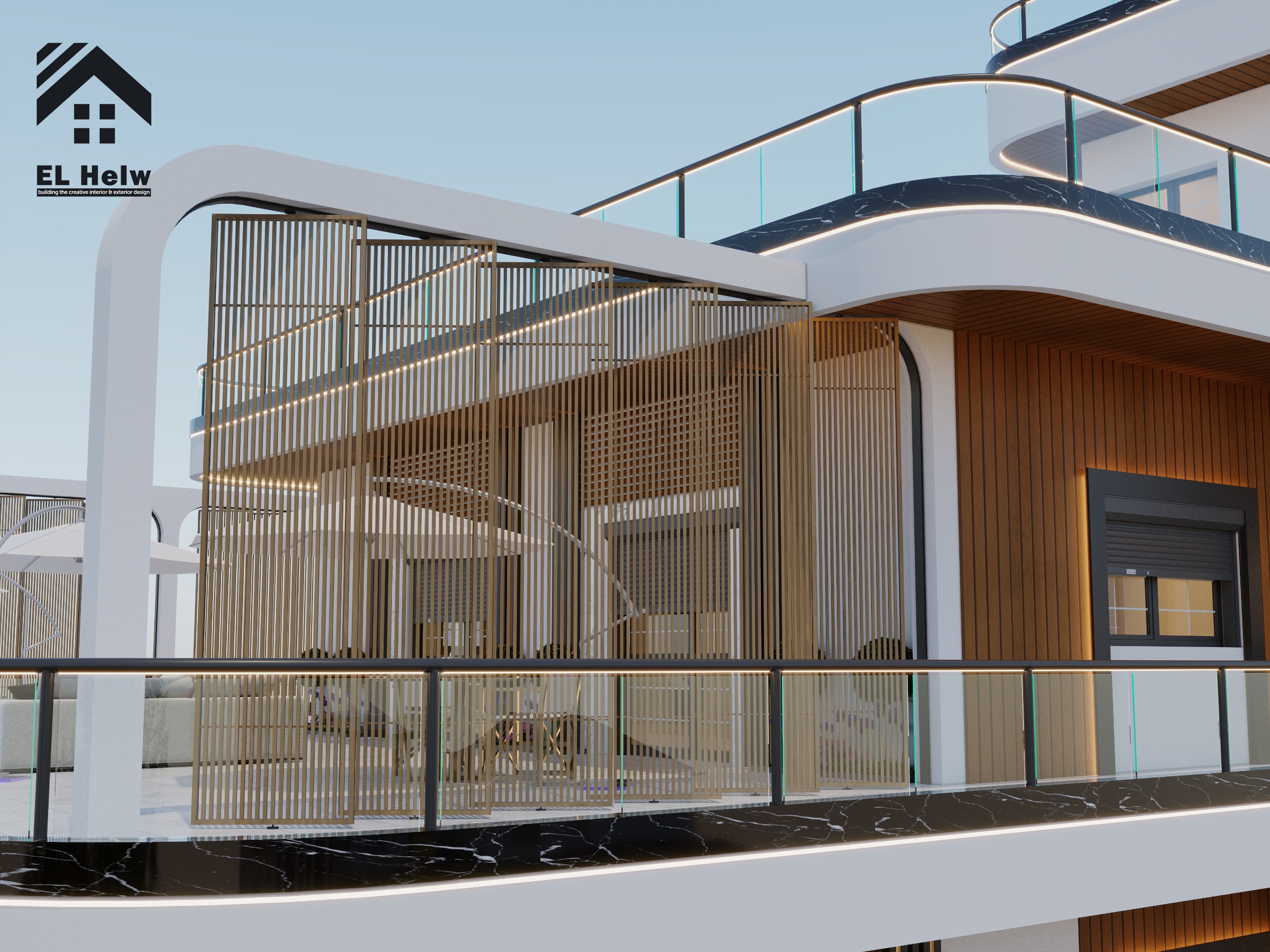
Drawing on our long experience of over 18 years in designing and executing luxury villas and palaces in the Egyptian and Gulf markets, we have learned that building your dream villa is not merely about stacking walls and roofs at random. Rather, it is a precise engineering system that requires a full integration of creative architectural design and strict structural execution. At "Elhelw Architects & Finishes", we believe that preventing engineering errors from day one saves property owners hefty budgets and guarantees total comfort for years to come.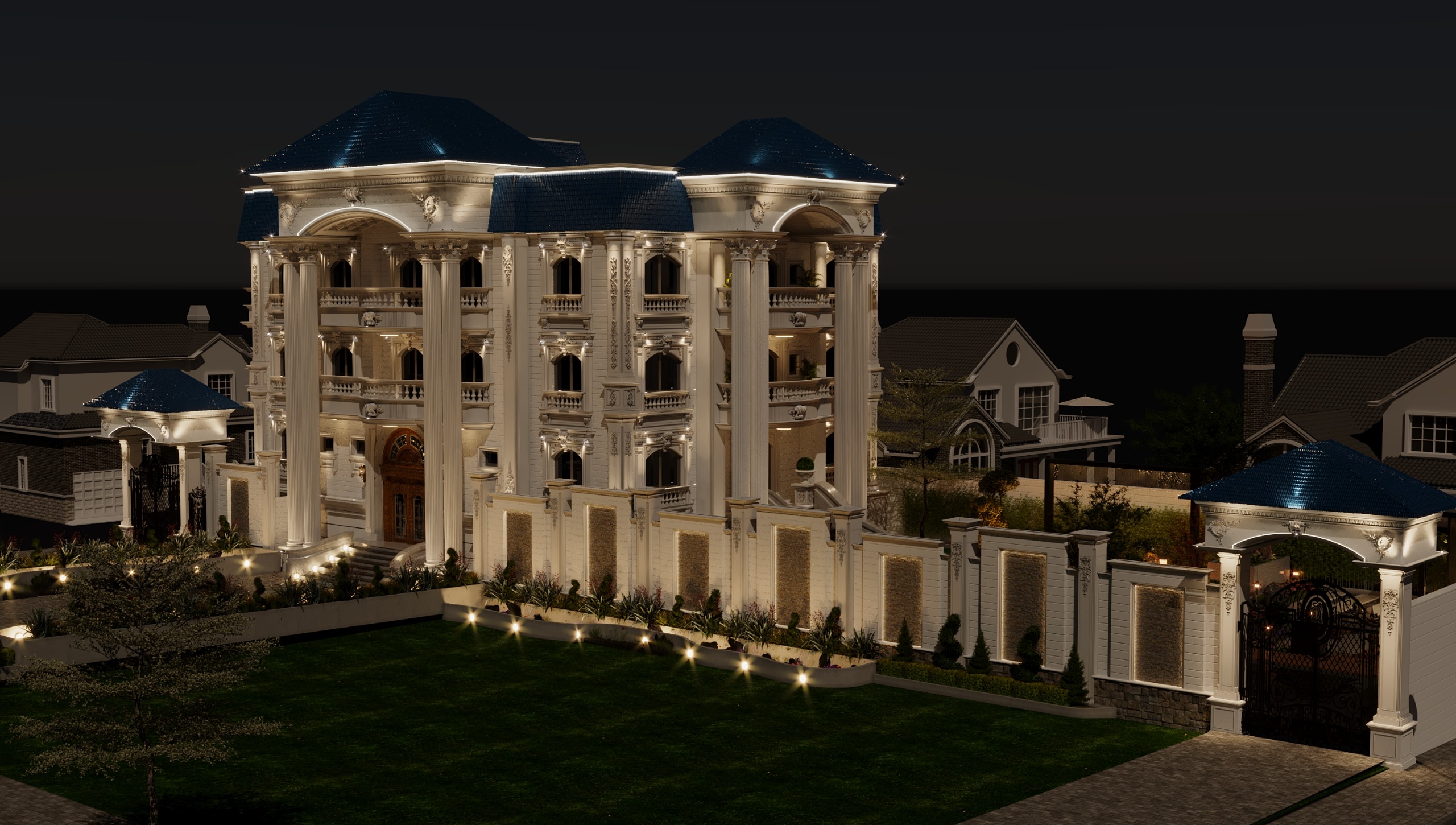
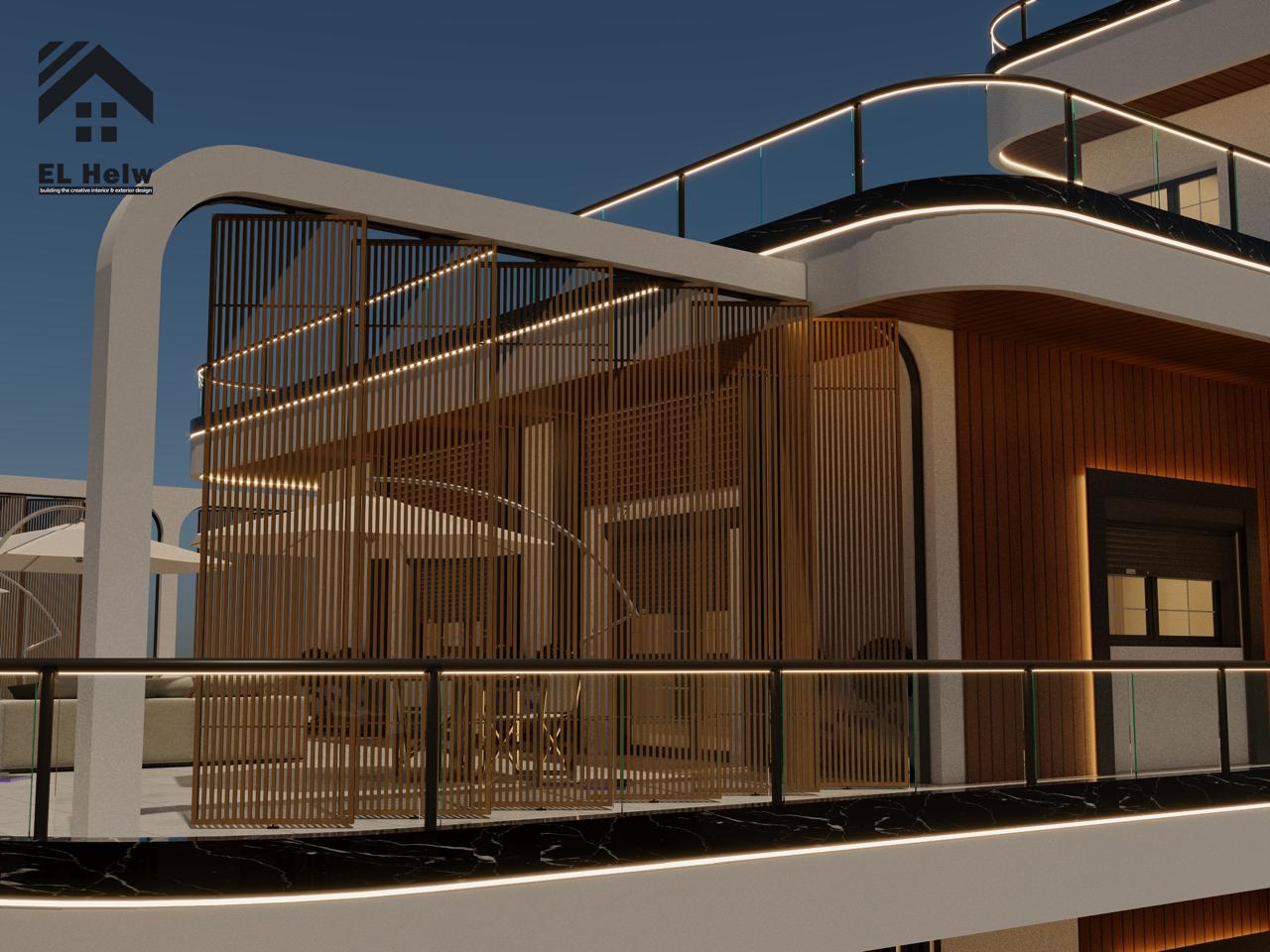
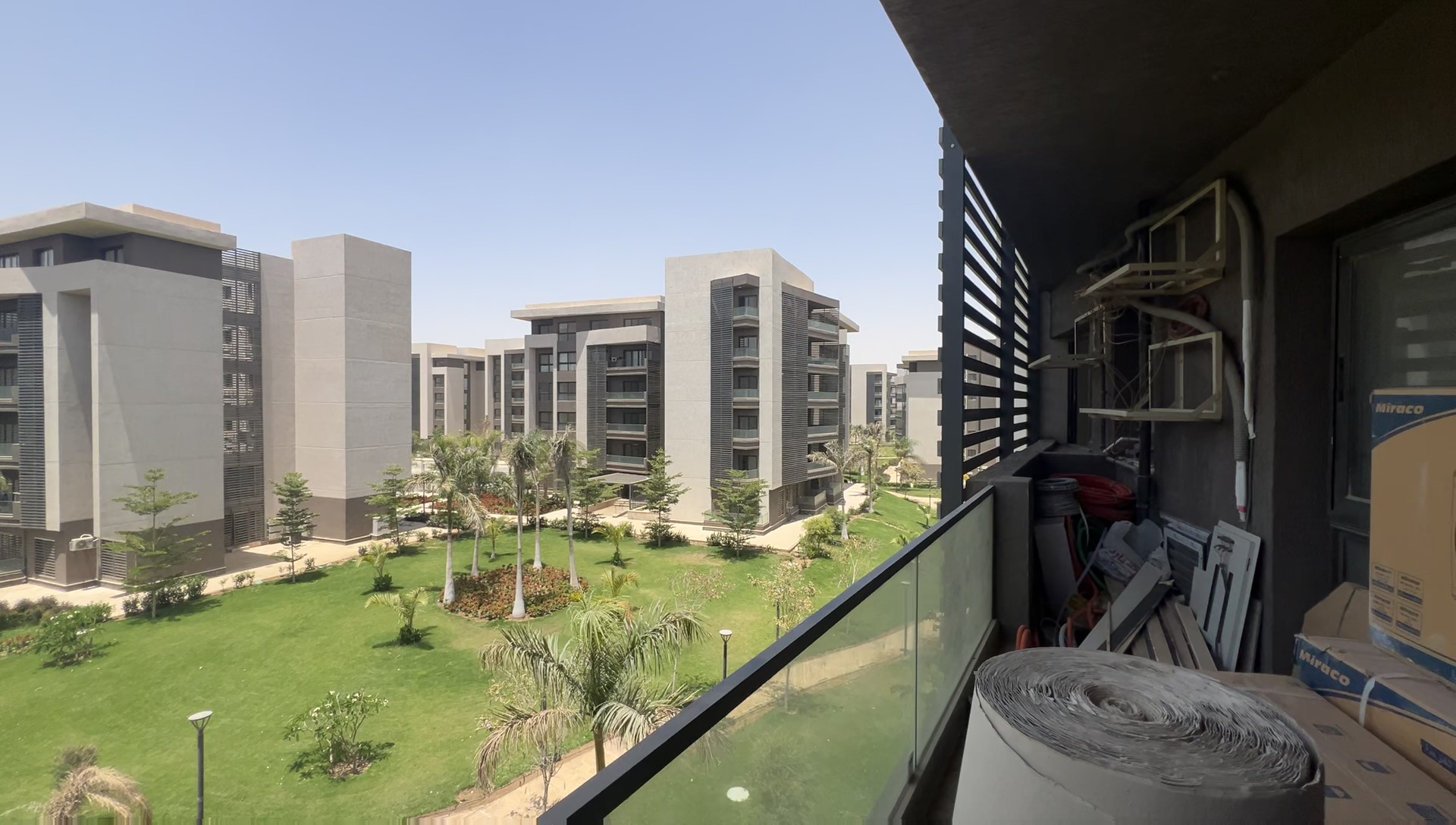
A luxury villa facade under construction with strict engineering site supervision]
In this comprehensive article, we review in detail the seven most common mistakes made in previous projects by non-specialized contractors, and how we apply alternative standards in our projects to overcome them with absolute engineering proficiency.
If you are planning to build your next property, we invite you to read our comprehensive guide on [Stages of Designing and Executing Luxury Villas] to start your journey on solid ground.
1. Poor Space Orientation and Neglecting Sun and Wind Paths
We repeatedly notice in villas built without specialized engineering supervision an oversight regarding the study of the sun's path and prevailing wind directions before approving the floor plan. This error results in main glass facades facing direct western heat in summer, or bedrooms deprived of refreshing morning light.
We carefully account for the sun's direction from sunrise to sunset when distributing rooms—placing bedrooms away from direct afternoon heat, and orienting living spaces to maximize morning light. We also design cross-ventilation openings based on the prevailing site winds, rather than random placement, to ensure a continuous, natural airflow.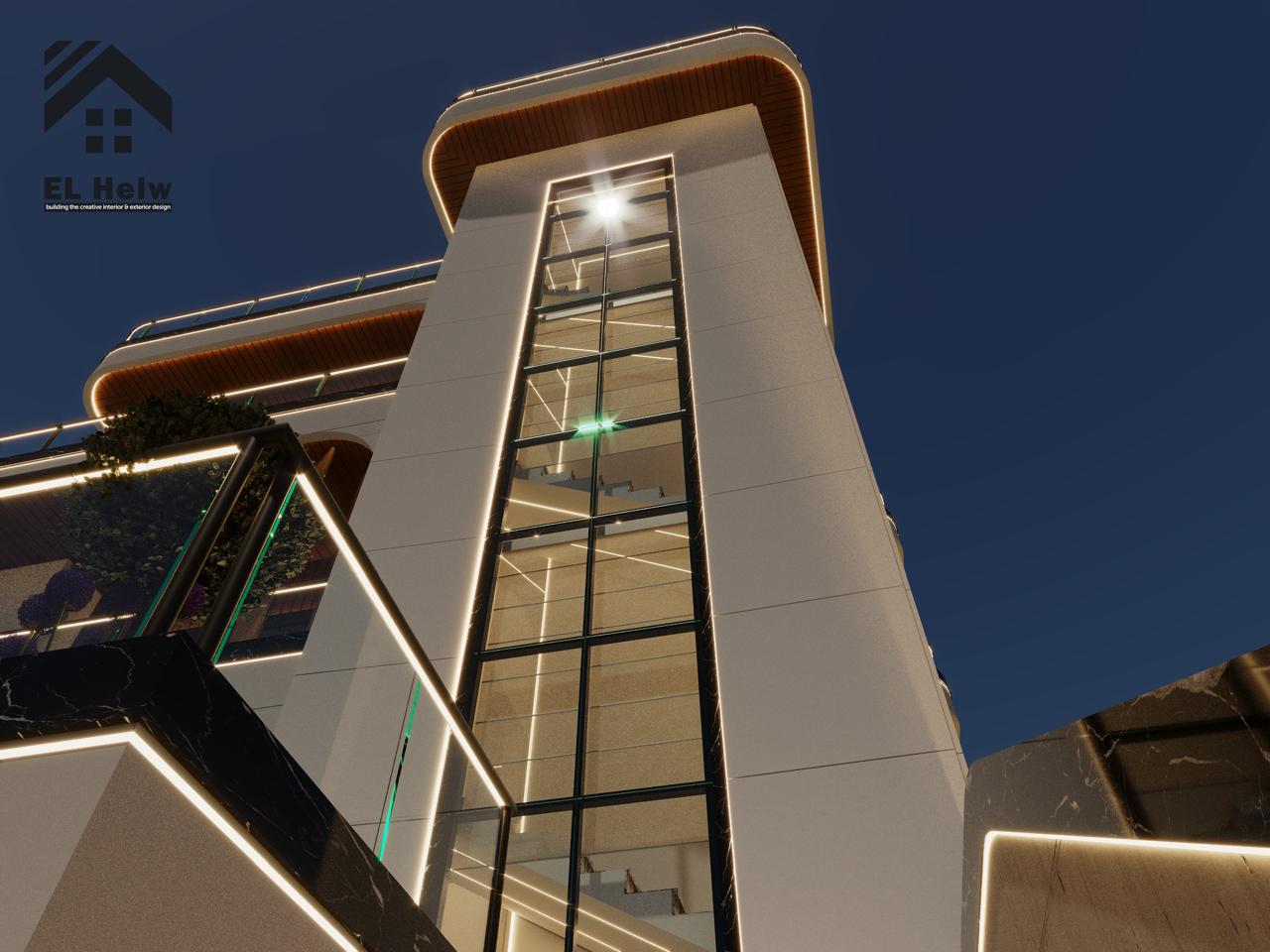
An engineering diagram showing sun angles and prevailing wind directions on a villa mass]
2. Ignoring Comprehensive Waterproofing and Thermal Insulation
Insulation is one of the most critical hidden stages whose flaws only become apparent months after delivery. A common mistake is relying on cheap insulation materials or executing them without rigorous pressure and flood tests for roofs, bathrooms, kitchens, and swimming pools.
We utilize certified thermal and waterproofing systems in every roof, foundation, and wall we construct, knowing their direct impact on energy consumption in summer and winter, and protecting the structural skeleton from moisture and seepage. To learn more about the importance of this stage, visit our [Engineering Supervision and Finishes Services] page to review our lab testing standards.
3. Random Placement of Wet Areas and Plumbing Lines
A major blunder is placing bathrooms and kitchens in locations that negatively affect home circulation or cause issues in main drainage networks. We typically place ground-floor bathrooms and kitchens in specific zones of the villa layout, isolating odors and ventilation from reception and living areas while accounting for prevailing wind directions to keep air away from the rest of the house.
We also ensure drainage lines do not intersect with main structural beams, preventing unsightly dropped ceilings or the need for awkward maintenance boxes in the middle of luxury reception halls.
Analytical Comparison: Random Execution vs. Professional Engineering Methodology in Villas
| Comparison Criteria | Random (Traditional) Execution | Elhelw Architectural Methodology |
| Site & Climate Study | Total disregard for sun and wind direction, driving up AC consumption. | Precise study of sun and wind movement with smart space orientation. |
| Water & Thermal Insulation | Use of cheap local materials without flood testing. | Integrated and tested insulation systems ensuring energy efficiency and structural protection. |
| Utilities & Drainage Layout | Random placement of baths and kitchens conflicting with structure. | Smart separation of wet zones and smooth plumbing/ventilation networks. |
| Long-Term Cost | Cheap initially, but costs multiples more in maintenance and repairs. | Sustainable engineering investment that significantly cuts operation and maintenance costs. |
4. Structural Errors in Pouring Slabs and Beams
Many contractors make the mistake of rushing to remove wooden formwork from slabs or failing to adhere to correct rebar diameters and quantities. This leads to serious structural settlements and cracks that threaten building safety.
We sign off on every pouring phase and subject concrete to laboratory cube strength tests before moving to the next stage. Our engineers are permanently present on site to supervise reinforcement and pouring, ensuring 100% compliance with structural drawings.
An engineering team strictly supervising the concrete pour of a villa's reinforced concrete slabs]
5. Poor Electrical Load Planning and Concealed AC Networks
One of the most annoying issues for a villa owner after moving in is discovering weak electrical currents in certain rooms, or exposed, unwanted ducted AC pipes due to poor prior coordination between the architect, electrician, and HVAC contractor.
We design integrated MEP (Mechanical, Electrical, and Plumbing) plans before excavation begins, accurately calculating future electrical loads while allocating fully concealed pathways for central AC, sound systems, and smart home lighting.
6. Choosing Exterior Finishing Materials That Resist Weather Poorly
Facades are a villa's title and primary face. A common mistake is choosing stones or paints that quickly degrade under dust, humidity, and high heat, leading to peeling paint or stone erosion within a few years.
We carefully select exterior finish materials, such as treated Hashemite stone or ACM (Aluminium Composite Material) panels resistant to harsh weather conditions, while factoring in thermal expansion details to prevent hairline cracks on facades.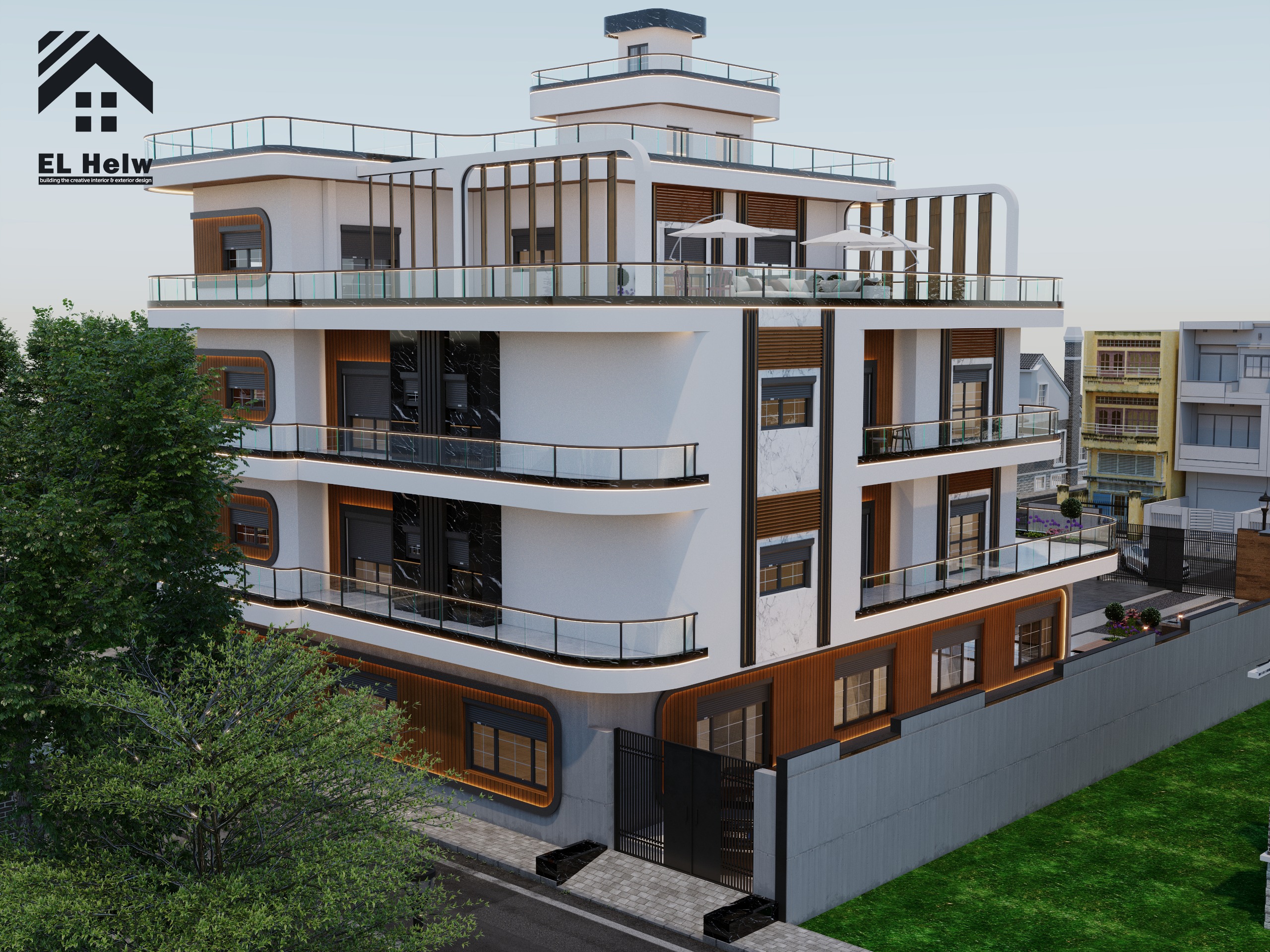
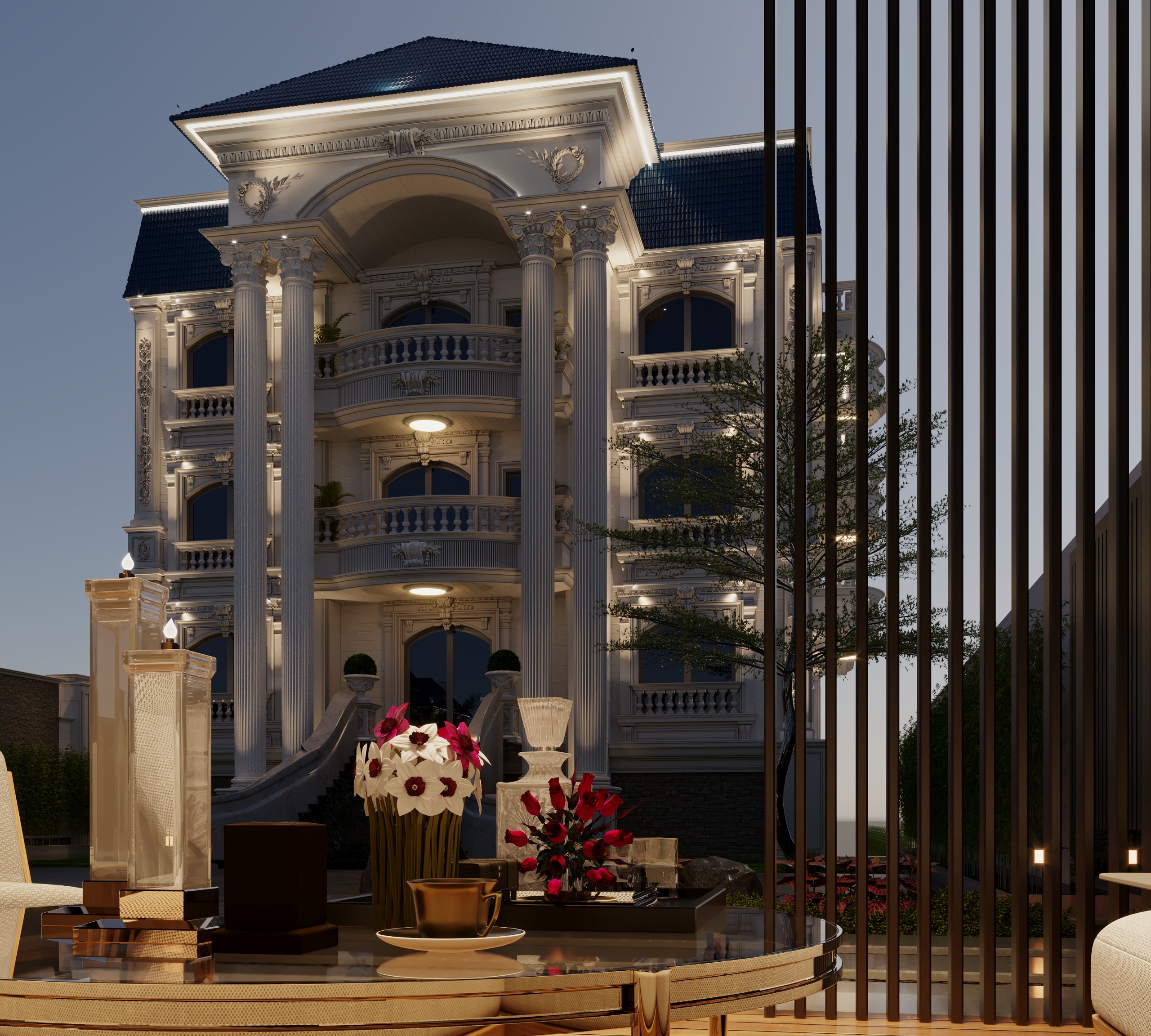
A modern villa facade featuring natural stone finishes and carefully planned architectural lighting]
7. Absence of Office Engineering Supervision and Continuous Field Follow-Up
Relying solely on a execution contractor without independent engineering oversight from the design firm is like driving a car without brakes. Many violations in dimensions and specifications occur when expert engineering eyes are missing.
At Elhelw Architects & Finishes, we walk hand-in-hand with our client from the initial concept to handoff, ensuring every line drawn on paper is executed literally on site with ultimate delivery precision.
💡 Featured Quote: Preventing engineering errors from day one is not a luxury; it is the foundation of a successful and safe investment in your dream villa.
Frequently Asked Questions (FAQ)
-
Q: What is the most important step to avoid villa construction errors?
A: Hiring an integrated architectural consultancy firm that combines architectural design with direct field supervision, such as Elhelw Architects & Finishes, from day one of the project.
-
Q: When does the study of villa orientation and sun paths begin?
A: We begin studying the sun's path, wind direction, and site nature before drawing a single line on the floor plan to ensure a comfortable and healthy indoor environment.
-
Q: Do you provide full engineering supervision during the finishing stages?
A: Yes, we believe continuous field supervision is the only guarantee that designs are executed according to agreed-upon quality and specifications up to the key-handover.
Image gallery